alcohol-free liquor
Uncoding EU Regulations on Non-Alcoholic Beverages A Must-Read Guide for The Compliance
In the area of drinking and eating, compliance with rules is not just legally binding, it’s an essential aspect of consumer confidence and security. A key aspect of this is that the European Union (EU), popular for its stringent regulations and strict rules, puts a lot of emphasis on ensuring non-alcoholic beverages comply with the highest standards of safety and quality. This article, the first in our series, attempts to understand the intricacies of EU rules that regulate non-alcoholic beverages.
Comprehending the EU Framework
Summary of EU Regulatory Organisations
The heart of EU laws governing non-alcoholic alcohol are various key regulatory bodies that each play a key part in ensuring that the those products that are on the market are in the best interest of consumers.
1. The European Commission: Often considered as the executive branch of EU in general, the European Commission takes charge of creating legislation and making implementing decisions. In the case of the regulation of food and drinks, the Commission is a key player in establishing the rules and regulations within the rules for non-alcoholic beverages.
2. EFSA (European Food Safety Authority ):• This independent agency offers advice based on science regarding foods and feed safety to authorities of EU institutions. The expertise of EFSA is vital in reviewing the safety of ingredients and the additives that are used in non-alcoholic beverages.
3. National Authorities In addition to the EU’s regulations, individual states of the EU may have specific regulations. National authorities oversee compliance with EU regulations at the local level.
Legal Framework
Understanding EU rules on alcohol-free beverages will require a knowledge of the legal framework which governs these regulations. The EU has two major types of legislation that include directives as well as regulations.
EU Regulations: They apply directly throughout the entire member state and don’t require separate national laws. Once an EU regulation is approved by the EU, it becomes lawful in all member states simultaneously.
EU Directives: Directives, on the other hand, spell out the objectives that member states must achieve. It’s then up to each state member to adopt its laws that comply with the directive.
The interplay between EU regulations and member state laws can often be complex, and requires businesses to understand both global EU rules and specific national laws.
Understanding this structure of regulation is the first step toward ensuring compliance with EU requirements for non-alcoholic beverage.
In the next part, we will delve into some specific elements of EU regulations, particularly specific labeling and ingredient requirements which are essential for businesses in the beverage industry.
Stay tuned to learn about the intricacies of labeling and ingredient regulation in the EU for non-alcoholic beverages.

How to navigate EU Regulations: Labeling and Ingredient Requirements on Non-Alcoholic Drinks
In the prior section we set out on a journey to unravel the complex web of EU regulations that govern non-alcoholic beverages. Let’s get into the specifics. We will be focusing on labeling requirements and ingredient requirementsaEUR”a vital area of compliance of businesses working in the drink industry.
Guideline for Labeling
Clarity and Transparency
EU regulations are strict regarding the labeling of non-alcoholic beverages. The aim is to ensure that consumers get the most accurate and complete information about the products they purchase. Here are the main aspects of the guidelines for labeling:
1. Name of the Beverage The name should clearly reflect the nature of the product. Untrue names that might confuse consumers are completely prohibited.
2. Ingredients List: Alcohol-free beverages are required to provide a list ingredients including each ingredient in order of weight, descending.
3. The information on allergens: If the drink includes any of 14 allergens listed by EU Regulations (e.g., nuts, milk, gluten) These allergens must be clearly noted in the list of ingredients.
4. Net Quantity: the amount of the beverage must be expressed in liters milliliters, centiliters, kilograms grams, milligrams or kilograms in relation to the beverage.
5. Best Before/Use-By Dates: Non-alcoholic beverages that have a shelf life of less than 18 months must have an “use before” date. Those with a longer shelf life should show an “best before” date.
Nutrition Declaration
Recent years have seen EU regulations have made it compulsory for non-alcoholic beverages that provide nutritional information per 100ml the beverage. This includes information about energy value and the quantity of fat, saturates, carbohydrates, sugars proteins, salt, and fat.
Ingredient Requirements
Use of Additives
EU rules regulate strictly the inclusion of additives in non-alcoholic beverages. They must be approved as safe for consumption and serve a technological purpose (e.g., colorants, preservatives and sweeteners).
Natural Mineral Waters
When it comes to beverages that are labeled “natural mineral water,” EU regulations are particularly strenuous. These waters must originate from approved sources and fulfill specific criteria regarding mineral content as well as purity.
Fruit Juices and Nectars
If a non-alcoholic drink contains nectars or juices made from fruit, it should be in line with the defined standards of fruit content. For example, nectars made from fruit are required to contain at the least 25 percent fruit content.
Sweeteners
The use of sweeteners must be controlled to ensure safety and protect the consumer’s interests. Labels must clearly identify the presence of sweeteners.
What’s Next?
As we’ve observed, EU regulations on labeling and the requirements for ingredient use in non-alcoholic beverages are comprehensive that are designed to protect the consumer’s interests. Becoming familiar with and adhering to these regulations is crucial to companies working in this area.
In the coming section, we’ll delve into the safety and quality standards as we explore how EU standards ensure alcohol-free drinks are in line with the highest standards of quality. Join us on this journey to unravel the complexities of EU regulations more.
Keep following us to discover the world of safety and quality standards defined by EU regulations for non-alcoholic beverages.
Lead with Quality: Secure Your Direct Order of Premium Non-Alcoholic Spirits from Swedish Distillers!
Security and Quality Standards Assuring top-quality non-alcoholic beverages in the EU
In our search for answers to the maze of EU regulations pertaining to non-alcoholic drinks we’ve learned vital details concerning labeling requirements and ingredient specifications. Now, let’s continue our exploration by delving into the world of quality and safety standardsaEUR”critical aspects that uphold the integrity of these beverages in the European market.
Quality Standards
Water Quality
The water is the primary ingredient in many non-alcoholic drinks Quality is crucial. EU rules require that drinks made with water must meet stringent quality standards. This ensures that the water’s source, treatment as well as its transportation do not compromise the drink’s quality or safety.
Natural Mineral Waters
for beverages that are marketed as “natural mineral water,” EU regulations are particularly meticulous. These waters have to be obtained from recognized sources and meet rigorous requirements in terms of mineral content and purity. Natural mineral waters are famous as pure and have a distinctive mineral composition. This makes their use a major benefit to the non-alcoholic beverage industry.
Fruit Juice Purity
For drinks that contain fruit juices In drinks that contain fruit juices EU has specific fruit content guidelines. For example, fruit nectars require a minimum percentage of fruit-based content to ensure an authentic beverage with high-quality.
Hygiene and Practices for Production
Infection prevention and hygiene at every step of the manufacturing process is essential. EU regulations mandate that all businesses involved in beverage production adhere to strict safety and hygiene standards to avoid foodborne contamination as well as ensure safety.
Safety Standards
Microbiological Criteria
Microbiological security is a fundamental element of the production of non-alcoholic beverages. EU rules establish microbiological requirements to ensure that beverages are free of harmful microorganisms which could cause consumer health risks.
Contaminant Limits
To ensure consumers’ health, EU regulations define maximum limits for various contaminants in non-alcoholic drinks. These contaminants include heavy metals, mycotoxins, and pesticide residues. In-depth monitoring and testing methods are in place to ensure that they are in compliance with these standards.
Enhancement Safety
Additives used in non-alcoholic beverages have to be thoroughly assessed to ensure their safety. EU regulations require thorough studies and risk assessments before additives are permitted for use. This makes sure that consumers are not exposed to risky products.
the Role of Quality Control
Quality control plays an integral responsibility in ensuring non-alcoholic drinks meet the highest standards in terms of quality and safety. Manufacturers are accountable to implement strict quality control measures, from the initial source of raw materials to the final stages of production.
What’s Next?
Quality and safety standards are the foundations on which the image of non-alcoholic beverages is built in the EU market. In our next chapter we’ll go over the intricate world of marketing and packaging regulations, as well as shedding light on how these factors contribute to the overall environment of compliance.
Keep an eye on us as we enter the realm of packaging and marketing regulations, which are essential to EU compliance for alcohol-free beverages.

Packaging and Marketing How to navigate the EU Regulations for Non-Alcoholic Beverages
As we continue our journey through the intricacies of EU regulations governing non-alcoholic beverages, we find ourselves at a crossroadsaEUR”packaging and marketing. These aspects are vital not only to ensure compliance but also to attract the consumer’s attention in a competitive market. We will explore the world of marketing and packaging regulations within the European Union.
Packing Regulations
Material Safety
The EU is determined to ensure that the products used to package beverages do not contaminate the contents. Manufacturers must follow strict standards for materials such as glass, plastics, and even metals. This guarantees that the packaging will not alter the taste or composition of the drink.
Green and Renewable
Environmental sustainability is a rising issue and the EU is a proponent of eco-friendly packaging. Regulations are designed to reduce garbage and encourage recycling through setting goals for the use of recyclable packaging materials and reduction of waste from packaging.
Preparation and Labeling
The labeling process is a key element of packaging. EU regulations demand specific and precise information on labels, such as the item’s name, ingredients including nutritional information as well as allergen declarations. These labels assist consumers in making informed choices and ensure transparency.
Marketing Regulations
True Advertising
Non-alcoholic drinks that are promoted in the EU should adhere to a set of principles of accuracy and truthfulness. Any claims that are made in advertising for health claims, like those about or ingredients’ benefits, have to be proven by scientific evidence.
Security of Minors
Given the potential appeal of non-alcoholic beverages to minors marketing efforts need to avoid focusing on these consumers. The EU imposes strict rules to prevent advertising that may influence consumption among minors.
Alcohol Imitation
Non-alcoholic beverages should not have the appearance or packaging of alcohol-based beverages. This helps avoid confusion for consumers as well as ensures that the marketing of these drinks remains clear and clear.
Challenges and Innovations
Navigating packaging and marketing regulations can be daunting, but they also present opportunities for innovation. Many companies are moving towards green packaging materials that match both the regulatory requirements and the consumer’s preference for eco-friendly options. Innovative marketing strategies that place emphasis on health benefits as well as unique flavors are getting more popular on the EU market.
What’s Next?
Our investigation of EU regulations for beverages that are not alcoholic would not be complete without addressing the important aspect of ensuring compliance with these laws. In the next section, you’ll delve deep into strategies and guidelines that can help businesses comply with European Union’s strict standards.
Keep watching as we discover the secrets to comply with EU standards for non-alcoholic beverages.
The process of navigating EU Regulations for Non-Alcoholic Beverages: A Complete Guide
We’re pleased to present the 5th and final part of the comprehensive manual on finding your way through EU regulations governing alcohol-free drinks. Through this series we’ve examined the intricate web of rules governing the production of safety, labeling, and marketing of non-alcoholic beverages within the European Union. In this concluding piece we’ll give a summary of the most important points from each section, and offer concluding thoughts about the challenges and opportunities that lie ahead in this heavily regulated industry.
The Recap Our Journey
Part 1: Production Standards
In the very first article, we explored the production guidelines established by the EU for non-alcoholic drinks. Principal takeaways included:
- Stringent hygiene and safety standards for manufacturing establishments.
- Guidelines for ingredient selection and quality.
- It is important to meet maximum residue levels of Pesticides and contaminants.
- How adhering in accordance with Good Manufacturing Practices (GMP) is important.
Section 2 The Nutritional Information and Labeling
In our second article, we talked about the importance precise labeling and nutritional information. Highlights include:
- Labeling that is accurate and clear including ingredient lists food information, and declarations of allergens.
- The importance of being truthful in advertising and the need for credible scientific evidence to support assertions.
- The prohibition of misrepresenting consumers’ needs through false statements.
3. Safety and Quality Assurance
Our third article was devoted to safety and quality assurance. Highlights of the article:
- Safety standards that are stringent to avoid contamination and make sure that non-alcoholic beverages are safe. beverages.
- The importance that Hazard Analysis and Critical Control Points (HACCP) in the protection of food safety.
- Monitoring and traceability in order to swiftly find and resolve safety concerns.
Section 4: Packaging and Marketing
In the fourth piece We looked at the regulation related to packaging and marketing:
- Material safety standards for packaging materials in order to avoid contamination.
- Emphasis on recycling and sustainability in packaging.
- Guidelines to ensure truthful advertising protecting minors and preventing alcohol imitation.
Challenges and Opportunities
As we finish our walk through EU regulations for non-alcoholic beverages it’s apparent that this sector has both challenges and opportunities. The biggest challenge is navigating the complicated regulatory landscape as well as ensuring compliance and accommodating changing consumer demands for green and healthy choices.
There are, however, significant potential opportunities for companies that take on these issues:
-
Innovative: Developing eco-friendly packaging and marketing strategies that stress health benefits could set you aside in the market.
-
Transparency: Conforming to labeling requirements and regulations governing advertising does not only guarantee compliance, but also builds confidence.
-
Security: Safety and Quality assurance will protect your brand’s reputation as well as protect consumers.
Conclusion
In this series, we’ve journeyed through the many facets of EU regulations for non-alcoholic drinks. From production standards to packaging marketing, safety, and even packaging conformity is the key to survival in this industry.
As you navigate through these regulations ensure that you are aware of the fact that they are put in place to protect consumers and to ensure the highest quality standards. Make sure you embrace sustainability, innovation, and transparency to excel in the competitive EU marketplace for alcohol-free beverages.
We thank you for taking us on this educational journey. We hope you’ve gained valuable knowledge about the regulatory landscape of non-alcoholic alcohol in the EU.
This is a recap of ALL Articles in This Series
-
Section 1: Production Standards
-
Section 2: Labeling and Nutritional Information
-
Chapter 3: Safety and Quality Assurance
-
Section 4: Marketing and Packaging
Continue on your way to success in the non-alcoholic beverage sector, and always stay updated on the most current EU rules and regulations.
EU and British Alcohol-Free Spirit Markets Analysis: Understanding the Landscape
The drink industry has witnessed change in recent times, due to the increase in alcohol-free spirits. This emerging market segment has been getting a lot attention and for good reason. With the increasing emphasis placed on wellness and health, changing consumer preferences, and a desire to provide more inclusive social interactions Alcohol-free spirits have carve out an entirely distinct niche in the market. In this detailed analysis of the market, we’ll look into the EU and UK alcohol-free spirit market and provide insights into its dynamics, key protagonists, industry trends, and much more.
The importance of drinking alcohol-free Spirits
Alcohol-free spirits, referred to as non-alcoholic or zero-proof spirits are beverages formulated to replicate the taste and essence of traditional spirits, but without the alcohol content. These spirits are an appealing alternative to those seeking a luxurious and enjoyable drink without the effects of alcohol. With the industry of drinks undergoing an enormous transformation, alcohol-free spirits have emerged as a critical player in accommodating the evolving tastes of consumers.
The scope of the Market Analysis
This market analysis is designed to provide a comprehensive understanding of what is happening in EU and UK market for alcohol-free spirits. The analysis will cover a variety of aspects of this industry, including its definition, historical context to the key brands and players such as market trends, consumer choices, challenges, and opportunities. Through this study, readers will learn valuable information about what is happening in the alcohol-free spirit market as well as its potential to grow.
The structure of the article
for clarity, and consistency In order to make this article more clear and coherent, it will be separated into sections, each one of which will concentrate on a specific aspect of the EU and UK market for alcohol-free spirits. In the next section, we will define alcohol-free spirits. We’ll also look at the emergence of these spirits, and consider the market’s size and trends. Subsequent sections will provide more in-depth analysis and profiles of the key players, market trends, consumer preferences, as well as the challenges as well as opportunities that lie ahead.
In the next part, we will delve into the subject of alcohol-free spirits, explaining what they are as well as why they matter in today’s beverage industry. We will also discuss their historical background and how they’ve evolved into a powerful market player in the industry. In addition, we’ll talk about their size as well as the trends that are shaping the market’s growth.
Are you ready to set off upon a journey to discover the world of fascinating alcohol-free spirits? We’ll begin by determining the essence behind these beverages and their role in the changing beverage industry scene.
Lead with Quality: Secure Your Direct Order of Premium Non-Alcoholic Spirits from Swedish Distillers!
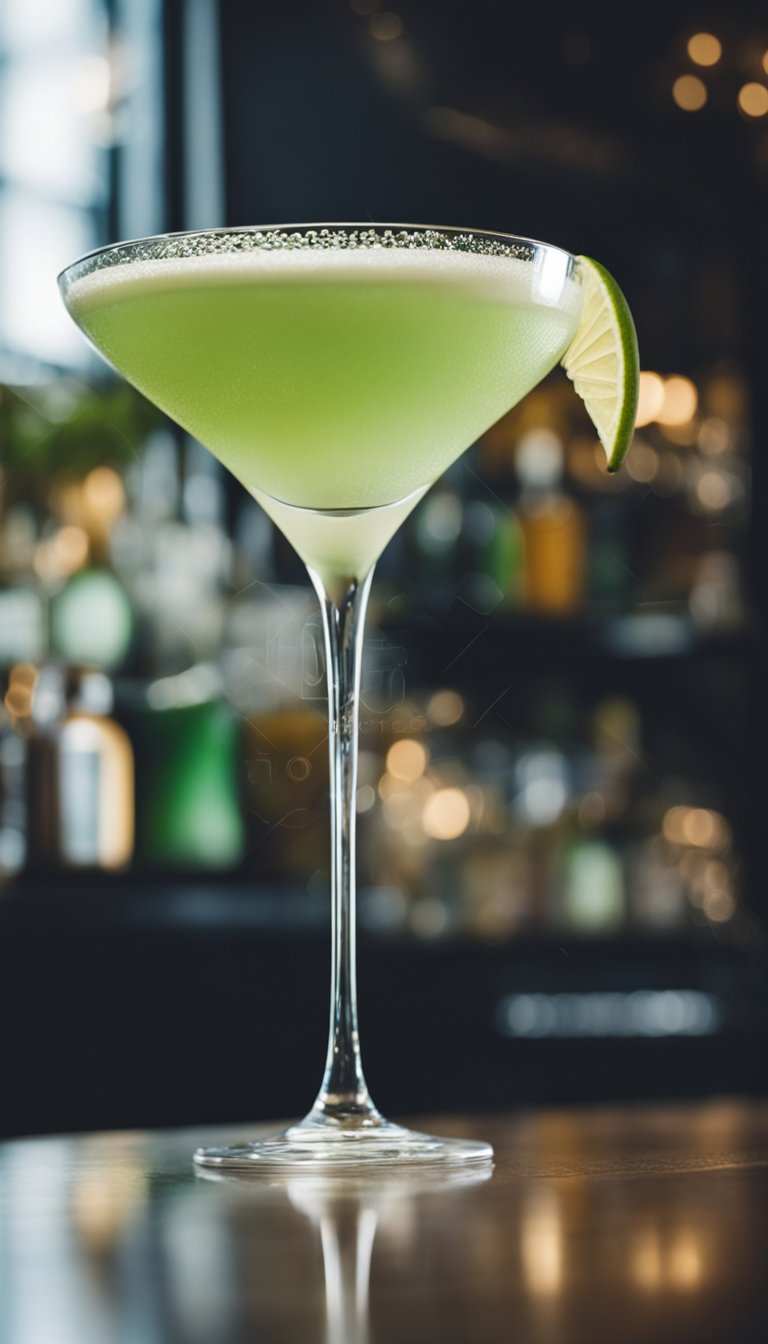
Brands and Key Players: Shaping the EU and UK Alcohol-Free Spirit Market
As we continue to deepen our understanding of the EU and UK market for alcohol-free spirits, it is evident that the business isn’t just expanding however, it is also transforming rapidly. In this article we’ll change our focus to the leading brands and companies that drive innovation and competition within this thriving market.
The Pioneers of Alcohol-Free Spirits
Seedlip is The Leader
One cannot talk about alcohol-free spirits without mentioning Seedlip. Seedlip was created in 2015 by Ben Branson in 2015, Seedlip is widely known as the founder of the alcohol-free spirit movement. Branson’s enthusiasm for botany as well distillation led him in the direction of creating the world’s first nonalcoholic distilled spirit. It has distinct flavors and an enhanced drinking experience.
Seedlip’s product range includes Garden 108, Spice 94, and Grove 42, each crafted with a distinctive blend of botanicals. The brand’s commitment to quality and ingenuity has earned it a prominent spot in the market for alcohol-free spirits.
Lyre’s, a company that crafts authentic products.
Another important player in this sector is Lyre’s. The Australian brand has gained a lot of attention through its commitment to creating drinks that are alcohol free and have the taste and aroma of alcohol-based counterparts. From gin and Rum to vermouth and whiskey, Lyre’s offers a diverse range of non-alcoholic options for consumers looking for an authentic tasting experience but without the alcohol.
Broadening your Horizons Diverse Food Brands Diverse Flavors
Though Seedlip and Lyre’s have definitely made their mark, their influence is not over. EU and UK alcohol-free spirit market is packed with many brands each with its own unique approach to making non-alcoholic drinks. Below are a few brands worth keeping in mind:
A+corn Aperitifs
A+corn Aperitifs strives to create non-alcoholic beverages that are able to capture the essence of the pre-dinner drink experience. They have products that are perfect for those looking to savor the joy of aperitifs in a way that doesn’t involve alcohol.
Ceder’s
Ceder’s is a gin brand that draws inspiration from the South African Cape and combines it with Swedish water to make alcohol-free gin alternatives. Their commitment to botanicals and handcrafted products is evident from their range of offerings.
The role of Mixologists and Bartenders
As the need for alcohol-free spirits increases the role of mixologists and bartenders has become increasingly important. These professionals are indispensable in crafting innovative and enticing alcohol-free cocktails that highlight the nuances and flavor of non-alcoholic spirits.
Trends to Watch
Flavor Innovation
One of the standout trends within the alcohol-free spirit market is the constant quest for interesting and distinctive tastes. Brands are trying out an array of different botanicals along with spices, herbs, and to make products designed to appeal to broad variety of palates.
Premiumization
The market is flooded with consumers willing to buy premium spirits that are alcohol-free and provide top-quality drinking experiences. Brands are responding by providing items that compete with alcohol counterparts in terms of packaging as well as presentation and in terms of complexity.
Sustainability
Sustainability is an important factor in the industry of beverages in general, and the alcohol-free spirit market is no different. Brands are looking to sustain production, sourcing, as well as packaging to meet the consumer’s expectations.
When we look at the major companies and brands that are part of the EU and UK alcohol-free spirit market it is evident that innovation, authenticity and diversity are at the forefront of this vibrant market. In the next part we’ll explore the market trends that are shaping what the future holds for alcohol-free spirits.
The art of creating the perfect alcohol-free drink: Tips and Tips and
In our exploration of this EU and UK alcohol-free spirit markets, we’ve discovered pioneering companies and key players who are driving innovation in this ever-changing industry. While we continue our journey, let’s turn our attention to the art of creating the perfect alcohol-free cocktail. You may be a professional mixologist or a DIY enthusiast the following tips and tricks will improve your non-alcoholic cocktails game.
Celebrate the diversity of alcohol-free Spirits
A variety of life is Spice of Life
The most thrilling aspects of the alcohol-free spirit market is the range of options to choose from. From whiskey that is infused with botanicals to vodka and gin substitutes, there’s a non-alcoholic spirit for every taste. You can experiment with various bases to discover distinct flavor profiles.
Look at the Occasion
Consider the event when making your alcohol-free drinks. Is it a cozy night in, a brunch gathering or a chic dinner event? Tailor your drink to your mood and the setting, choosing ingredients that complement the setting.
Elevate Your Ingredients
Fresh is the Best
As in traditional mixing the use of fresh and high-end ingredients is important. Spend money on fresh herbs, fruits, and premium mixers to enrich the flavor and depth of your alcohol-free cocktails.
Explore Syrups, and Infusions
Infusions, syrups, and syrups can add additional flavor to your drinks. Make your own syrups by using ingredients like lavender, ginger, or rosemary. Infuse spirits using botanicals to create unique aromas and tastes.
A Guide to the Art of Garnishing
A Food for the Eyes
Garnishes don’t only look appealing but also fragrant. Make your own with citrus twists edible flowers, and even smoking herbs to provide a sense-enhancing dimension to your drinks.
The Magic of Bitters
Bitters are a bartender’s best-kept weapon. A few drops can change an alcohol drink by adding complexity and balance. Discover the many options of alcohol-free booze to enrich your creations.
Learn the Techniques
Shaking and Stirring
Understanding the right time to shake and the best way you should stir is essential. Shaking with ice can aerate ingredients, creating a smooth texture. Stirring, contrary allows for a gentle mixing without dilution.
“Ice” Matters
Ice isn’t just used for cooling. It can also affect the dilution or presentation of your cocktail. Play around with different kinds of ice, including large cubes of ice to crushed, to achieve the desired result.
Recipes to Inspire
Citrus Sparkler
- 2 oz alcohol-free citrus spirit
- 1 oz fresh lemon juice
- 0.5 oz simple syrup
- Soda water
- Lemon twist and mint sprigs for garnish
Instructions:
- In a shaker, combine the alcohol-free spirit of citrus with fresh lemon juice as well as simple syrup.
- Shake vigorously with the ice.
- Strain into a chilled glass that is filled with water and ice.
- Top with soda water and garnish with a lemon twist or a fresh mint sprig.
Herbal Elegance
- 2 oz alcohol-free gin alternative
- 0.5 oz lavender-infused syrup
- 0.5 oz fresh lime juice
- Fresh lavender sprigs and lime wheel to garnish
Instructions:
- In a mixing cup, combine the alcohol-free gin alternative along with the lavender-infused syrup pure lime juice.
- Stir gently using ice until chilled.
- Strain into a coupe glass.
- Garnish with a fresh lavender stem and lime wheel.
The Next Stop: Emerging Trends
After we’ve completed our investigation for the perfect alcohol free cocktail, we’ll next dive into the latest trends that influence what’s happening in the EU and UK liquor-free market. From sustainability and innovative flavours to sustainable practices it’s not hard to find something new within this fast-paced industry. Join us in the next segment as we look into the most recent trends.

The EU and UK’s and the Alcohol Free Spirit Market: Emerging Trends
In our exploration of the intricate world of alcohol-free spirits available in The EU and UK and UK, we’ve found the multi-faceted array of flavors as well as advancements that define this industry. In the fourth installment of our series we’ll be looking toward the future by examining emerging trends shaping the future of the sector. From sustainability to creative tastes, there’s plenty to learn about the ever-changing environment of alcohol-free spirits.
Sustainable Spirits The Growing Interest
Eco-friendly Production
With environmental awareness growing, many producers of alcohol-free spirits are turning to sustainable methods. From responsibly sourcing ingredients to reduce their carbon footprint, these brands are paving the way toward a greener future.
Eco-Packaging
Sustainable packaging is a hot topic in the spirit market that is alcohol-free. The brands are opting for recyclable simple, biodegradable or minimalist designs that prioritize eco-friendliness without compromising aesthetics.
Flavors That Refresh
Beyond the Classics
While the alcohol-free alternative to conventional spirits is readily available, a variety of brands are exploring new flavors. You can expect to see more inventive blends of botanicals, herbs and spices that can provide consumers a diverse and exciting range of choices.
Drink-Inspired Spirits
With the need for non-alcoholic cocktails continues increase, brands are developing spirits that are specifically designed to emulate the taste and aroma of traditional spirits. These spirits offer new possibilities for mixologists and homeowners alike.
Well-being and mindful consumption
Functional Ingredients
The addition of functional ingredients such as adaptogens, and herbs that are known for their health benefits is on the rise. People are seeking alcohol-free options that don’t only entice the palate but are also healthy for the body and mind.
Mindful Drinking Motions
The trend of mindful drinking which emphasizes moderation as well as having fun, is getting more and more popular. Alcohol-free spirit plays a significant role in this movement and offer alternatives that are in line with a healthier lifestyle.
Collaboration and Innovation
Cross-industry Partnerships
Expect to see an increase in collaboration between alcohol free spirits brands and other industries. From fashion to tech, these partnerships attempt to introduce alcohol-free drinks to new customers and markets.
Innovative Production Techniques
As technology improves, we can anticipate the advancement of innovative production techniques to improve the quality, and flavor of alcohol-free spirits. Watch out for brands that push the limits of creativity.
What’s in store for the future
In the final phase of our discussion of emerging trends in the alcohol-free spirit market we’re just a few steps ahead of discovering the future of the sector. In the next and final segment of the series, we’ll peek into the crystal ball, and investigate the predictions and forecasts for the future of the EU and UK alcohol-free spirit market. Join us for this exciting look in the future of spirit without the spirits.
The Future of Alcohol-Free Spirits across the EU and UK A Review and Forecast
As we’re on the point of entry through the lands of alcohol-free spirits across the EU and the UK and the UK, it’s time to take stock of the wealth knowledge we’ve gained. In this five-part series, we’ve traversed different landscapes in this intriguing and growing market. From exploring the beginnings and growth to uncovering changes that are changing the market, our journey has been nothing short of informative.
In this last installment we’ll use the wisdom we’ve gathered from the earlier articles to anticipate the future of spirit that is alcohol-free in EU and UK. So, let’s embark on the final leg of our adventure.
Recap: Glimpses of the Past
As we look to the future, let’s take a moment to reread the major insights from our previous posts:
Section 1. Origins and Evolution
In our very first piece, we delved into the origins of alcohol-free spirit and traced their origins back to the mocktail culture and growing consumer demand. We learned how innovation and skill have paved road to a growing industry.
Section 2: Market Dynamics
The second article sheds an understanding of the market dynamics of alcohol-free spirits. We explored the factors driving increase in sales, including health consciousness as well as the growth of mindful consumption, and the appearance of premium alternatives.
3. Creating the perfect Mocktail
Our third installment took an in-depth study of the art of creating exquisite alcohol-free mocktails. We discovered tricks, tips and recipes that can help you create elegant and tasty drinks.
Fourth Section: Emerging Trends
The fourth article is all about new trends, ranging starting with sustainability, through to unique flavor profiles, and how they are shaping the future of alcohol-free spirits.
Looking Forward and Seeing the Future Unveiled
Now, with this knowledge, what do we anticipate from the next phase of alcohol-free spirits across the EU and UK?
1. Increased Accessibility
As demand continues to increase the availability of alcohol-free spirits will be increasingly accessible. You can anticipate a broader variety at local bars and restaurants, as well supermarkets. More brands will join the market and offer consumers various options.
2. Innovations Galore
Innovative technologies will remain at the the forefront of this field. Expect breakthroughs in the production process the formulation of flavor and packaging. These advancements will improve the quality and appeal of alcohol-free spirits.
3. Global Expansion
The success of alcohol-free spirit throughout the EU and UK will likely lead to international expansion. We could see brands from other regions entering these markets, and bringing innovative and new products.
4. Cultural Integration
Alcohol-free spirits will become integral to the drinking culture. They won’t be seen as an alternative but instead as a possibility by themselves which will be enjoyed by people from all walks of life.
5. Continued Collaboration
Collaborations between industries will grow. Alcohol-free spirit brands will partner with different sectors, enhancing the offerings they offer and expanding their reach.
Conclusion: Toasting to Future
Our voyage through the world of alcohol-free spirits in the EU and UK has been a fascinating one. We’ve studied its roots and analyzed market dynamics, improved our mocktail-making skills and identified emerging trends. In the present, on the cusp of the future One thing is for certain that the future is bright and brimming with opportunities.
Then, let’s see the future of alcohol-free spiritsaEUR”an exciting area where creativity in sustainability, sustainability, as well as mindful consumption converge. If consumers are continuing to embrace this booming industry, we can look forward to a time when choices are abundant, and spirits flow freely without the spirits.
We are grateful for your participation in this exciting journey. Follow us on our journey as we continue to explore new frontiers in the world of food, beverages, and lifestyle.
How to make your own unique cocktails that are alcohol-free in the UK Learning the Latest Trends
The world of cocktails is going through radical changes and it’s certainly not about classic margaritas, mojitos, and margaritas for long. In the United Kingdom, known for its diverse drinking culture is witnessing a surge in a new form of drink, namely alcohol-free ones. This is the beginning of our series that will focus on the making of unique alcohol-free cocktails in the UK we’ll explore the growth of alcohol-free drinks and their rising popularity.
The evolving landscape of beverage consumption
The alcohol landscape in UK is evolving with a remarkable speed. While traditional alcoholic beverages still are a staple it’s clear that there’s a shift in consumer preferences. People are searching for healthier, more mindful alternatives to their usual drinks. This is part of an overall trend in which consumers are becoming increasingly conscious of their health.
One of the most noticeable developments in this rapidly changing market is the rise drinks that do not contain alcohol. What are they called virgin cocktails or alcohol-free cocktails, these drinks are drawing the attention of mixologists as well as consumers. Alcohol-free bars are springing up across the UK, offering a wide variety of creative and refreshing drinks without alcohol that transcend the traditional soda or juice.
New trends and information on health, lifestyle and fitness
The growing popularity of alcohol-free cocktails is in line with the overall changes in lifestyle and health trends in the UK. As people become more conscious of their health and adopt a more wellness-oriented lifestyle the drinks they drink have also changed.
Alcohol-free cocktails fit perfectly into this healthier lifestyle. They can provide the pleasure of a well-crafted drink without the alcohol-related consequences. This type of drink isn’t just available to those who do not drink alcohol, but people who want to savor delicious, non-alcoholic drinks that do not compromise their health.
Why Is This Trend Relevant?
Understanding the popularity of alcohol-free cocktails is crucial for anyone who is interested in creating their own unique concoctions. As the demands for these beverages increase and the demand for them increases, it’s increasingly important to learn the art of mixology, without alcohol. In the next segment we’ll examine the most essential ingredients and equipment needed to craft unique alcohol-free cocktails. We’ll provide the foundation to craft your own delightful drinks.
So, let’s dive into the world of alcohol-free mixology and learn the secrets of making your unique alcohol-free cocktails from the UK.
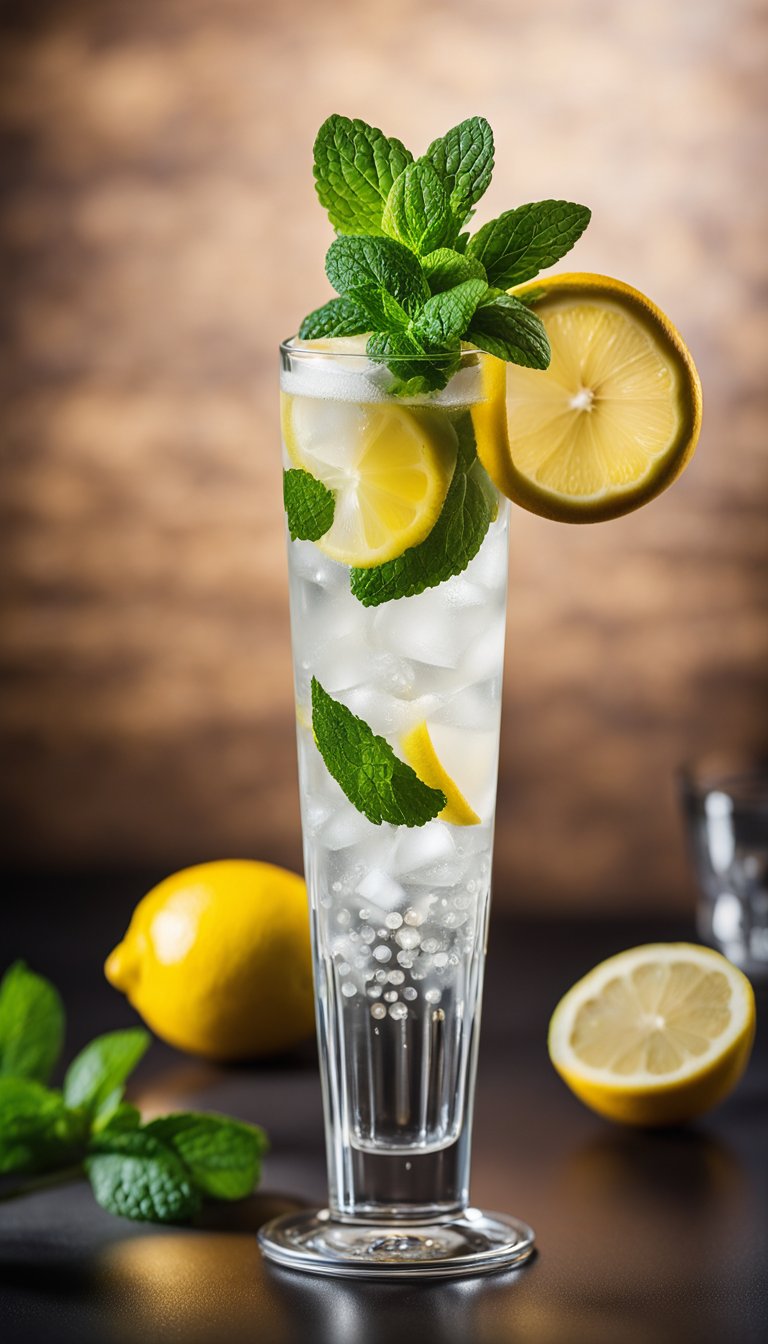
Elevate Your Wholesale Game: Source Premium Alcohol-Free Spirits Directly from Swedish Distillers!
Designing your unique Alcohol-Free Cocktail in the UK Basics to Mixology
Welcome to our ongoing series that focuses on creating unique alcohol-free drinks in the UK. In this segment we’ll cover the main ingredients and equipment needed to begin your journey of alcohol-free mixology. In addition to the base we laid in our previous section on the rise and popularity of alcohol-free cocktails. Let’s get into the techniques and flavors that will improve your mixology game.
A Palette of Flavors
The attraction of alcohol-free cocktails is that they can provide your taste buds with alluring flavors. To make truly memorable drinks you require a wide range of flavors. Here are the essential elements:
1. Fruits and Juices Fresh Fruits and Juices
The main ingredient in many drinks that are alcohol-free is the freshness of fruit and juices. From zesty citrus fruits such as limes and lemons to sweet and juicy berries, these natural ingredients deliver a delicious taste. Choose a high-quality juicer to make the finest juices feasible.
2. Syrups and Sweeteners
Syrups and sweeteners like honey, simple syrup, agave nectar, and grenadine play a vital role in stabilizing the flavors. They can add the sweetness and depth of your cocktails. Consider experimenting with flavored syrups for an additional twist.
3. Herbs and spices
Herbs and spices like mint, basil or cinnamon can elevate your alcohol-free cocktails to a new level. They bring complexity and aroma to your drinks.
4. Bitters
Bitters are concentrated flavors that add depth and flavor to your cocktails. While they typically contain alcohol However, you can find alcohol-free versions that achieve similar results.
Mixology Equipment
To make cocktails of professional quality, you’ll require the best equipment. Here are a few essentials:
1. Shaker
A cocktail shaker is essential in mixing ingredients properly. There are a variety of models, including the traditional Cobbler shaker, as well as the Boston shaker.
2. Mixing Glass and Spoon
Pouring cocktails into stirred drinks mixing glasses, a mixing glass as well as a long-handled spoon are crucial. They enable you to delicately mix ingredients and maintain their integrity.
3. Strainer
A strainer helps ensure that your cocktails are smooth and free from broken ice crystals or herbal. Consider using a Hawthorne strainer for most cocktails.
4. Jigger
Precise measurements are key to the consistency of mixology. A jigger can help you measure ingredients precisely, which ensures that your cocktails taste just right.
5. Glassware
Make sure you have a selection of glassware, such as martini glasses, highball glass, or rocks glass. The glass you choose to use can dramatically affect the look of your cocktails.
Alcohol-Free Spirits
Traditional spirits such as vodka, gin, and rum are not present in alcohol-free drinks but there’s growing demand for alternatives to alcohol. Brands like Seedlip and Ritual Zero Proof offer alcohol-free spirits that capture the essence and sophistication of alcohol-based cocktails.
Why Are These Essentials Important?
Having a well-stocked bar with numerous flavors along with the right mixology equipment are essential for creating exceptional drinks that are alcohol-free. These ingredients and devices provide you with the freedom to explore and experiment, making your drinks stand out.
In the next section, we will delve into the art of making alcohol-free cocktail recipes. We’ll give step-by-step directions and some innovative concepts for you to explore. Get ready to mix, shake, and stir your way to perfect cocktails in the heart of the UK.
The Art of Making Your Own Alcohol-Free Cocktail in the UK Tips for Impressing Your Friends and Family
In the beginning of two segments of our series, we’ve looked at the rising popularity of alcohol-free cocktail in the UK and the necessary ingredients and equipment necessary for mixology. The time has come to put this knowledge into practice. In this section, we’ll provide you with several tempting drink recipes that do not contain alcohol. They are sure to delight your guests.
The Citrus Sparkler
Ingredients:
- 2 3 oz freshly squeezed juice of orange
- 1 oz freshly squeezed lemon juice
- 0.5 oz simple syrup
- 3 oz soda water
- Lemon twist for garnish
Instructions:
- Fill a highball glasses with the ice.
- Mix freshly squeezed orange juice and juice of lemon, in addition to the simple syrup.
- Combine gently.
- Top with soda water, and add a twist of lemon.
- Serve immediately and enjoy the refreshing burst of citrus flavours.
Berry Bliss Mocktail
Ingredients:
- 1/2 cup mixed berries (strawberries, blueberries, raspberries)
- 1 oz fresh lime juice
- 1 oz simple syrup
- 3 oz sparkling water
- Fresh mint leaves to garnish
Instructions:
- In a shaker with a cocktail, make a muddle of the mixed berries.
- Incorporate fresh lime juice and simple syrup.
- Shake vigorously with the ice.
- Pour the mix into a chilled glass filled with frozen ice.
- Sprinkle with sparkling water and add new mint leaves.
- Enjoy the delicious blend of citrus and fruit flavors.
Minty Mojito Mocktail
Ingredients:
- 6-8 fresh mint leaves
- 1 oz fresh lime juice
- 1 oz simple syrup
- 4 oz soda water
- Mint sprig and lime wedge for garnish
Instructions:
- In a glass, gently muddle the fresh mint leaves.
- Make fresh lime juice, and simple syrup.
- The glass should be filled with ice.
- Mix in soda water and stir gently.
- Garnish with a lime wedge as well as an sprig of mint.
- Transport yourself to a tropical island with this minty delicious flavor.
Ginger Spice Fizz
Ingredients:
- 2 oz ginger ale
- 1 oz apple cider
- 1/2 oz fresh lemon juice
- 1/2 oz simple syrup
- Slices of apple thin enough to garnish
Instructions:
- Fill a highball glass up with an ice cube.
- Mix ginger beer, apple cider fresh lemon juice as well as simple syrup.
- Stir well.
- Garnish the dish with thin apple slices to add a touch of luxury.
- Sip on the warm spice of ginger and the crispness of apples in each sip.
Lavender Lemonade Refresher
Ingredients:
- 2 oz of lemonade infused with lavender (steep in dried lavender buds in lemonade and strain)
- 2 oz coconut water
- 1/2 oz honey syrup (equal parts hot water and honey and then cooled)
- Lavender sprig and lemon wheel to garnish
Instructions:
- Pour ice into a glass.
- Combine lavender-infused lemonade, coconut water, as well as honey syrup.
- Make sure to stir gently.
- Garnish with a lavender sprig or the lemon wheel.
- Take pleasure in the calming aroma of lavender combined with the zest of lemon.
The Next Step: Experimentation
These recipes are only the beginning of your alcohol-free mixology adventure. Don’t hesitate to experiment with various flavors, herbs and spices to create your signature cocktails. In the next chapter we’ll take a look at the most the most advanced techniques in mixology and offer further recipes for you to master. Get ready to elevate your skills and impress your friends with your alcohol-free creations.
Learning the art of Alcohol-Free Mixology The Latest Techniques
As we explore the world of alcohol-free mixology we’ve covered the basics, studied the necessary ingredients, and shared some delightful recipes. Now, it’s time to increase your mixology proficiency beyond the basics. In this article, we’ll examine advanced techniques that can transform your alcohol-free cocktail into an art style.
Infusion: The Art of Infusion
Infusing your ingredients with an excellent way for adding depth and sophistication to alcohol-free cocktails. Here are a few ideas to help you get getting started:
-
Fruit-infused water: Experiment with infusing water with fruits such as strawberries, cucumbers, or watermelon. Mix the flavors together to make an invigorating base.
-
Herb-infused Syrups Create unique syrups by infusing them with herbs like rosemary, basil, or thyme. These syrups add different flavors to your drinks.
-
Tea and Spice Infusions: Infuse tea or spices such as cinnamon and cloves or cardamom to your mixers for a hint sweetness and warmth.
Crafting Signature Bitters
Bitters are an integral component of a variety of classic cocktails, they can also be used to create alcohol-free versions. Here’s how:
-
Formulation: It starts with a neutral basis, such as Glycerin. Incorporate botanicals, such as dried orange peels, spices, and herbs.
-
Process: Combine your chosen ingredients in a glass jar and let them infuse for a couple of weeks. The jar should be shaken regularly. You can strain the mixture, and you’ve got your personal bitters.
-
Exploring: Play with different combinations to create distinct flavors to complement your cocktails.
The Art of Garnishing
A well-chosen garnish enhances the visual appeal, but also helps enhance the aroma and flavor of your alcohol-free cocktails. Take a look at these techniques for garnishing:
-
Citrus Twists: Make use of a peeler with a citrus for elegant twists of lime, lemon, or orange. These are not just beautiful as well, but they release the citrus’ oils when you sip.
-
Fresh Herbs: The freshness of herbs such as mint, basil or rosemary, not only provide the color of your drink but also enhance your drink with their delightful fragrances.
-
Flowering Edible: Flowers that are edible like pansies, violets, or Nasturtiums can add a touch class and scents of flowers in cocktails.
Molecule Mixology
For the mixologist with an adventurous streak molecular methods can provide a touch of magic to your designs:
-
Spherification: Produce tiny liquid crystals with sodium alginate and calcium chloride. They explode when you bite them providing a blast of flavor.
-
Foaming: Employ a Nitrous Oxide charger make foams to sit on top of your cocktails, adding an elegant texture and a unique presentation.
Co-create and Innovate
Don’t hesitate to collaborate with mixologists from other disciplines or take part in seminars and workshops. Inquiring about the world of mixology together can lead into exciting discoveries and new techniques.
While you work on your advanced mixology skills, make sure to keep your audience in mind. Becoming aware of their preferences as well as experimenting with new flavors will help you stand out as a master of mixing alcohol-free.
In the end this article, we’ll discuss our experiences and provide closing thoughts. You’re about to impress your loved ones and guests with your craft.
Explore the Art of Alcohol Free Mixology: A Road to incredible Mocktails
This is the final chapter in our alcohol-free journey. In the last four articles, we’ve dived deep into the art of creating exquisite cocktails that are alcohol-free, ranging from basics to the most advanced techniques. Today, we’ll finish our exploration with a look at the elements of a truly masterful mocktail.
The essence of Mocktails
Mocktails, the non-alcoholic siblings of cocktails, are an exquisite blend of tastes, aromas, and creativity. They offer an exciting alternative for those who would prefer not to drink alcohol, but wish to enjoy sophisticated drinks.
The Basics Revisited
Before we move on in this direction, let’s go over the fundamentals of creating great mocktails.
-
Balance: Much like cocktail, mocktails rely on a balanced balance of flavors. Pay attention to the bitter, sweet, sour, and umami elements in your drink.
-
fresh ingredients: It is best to select the most fresh fruits, herbs, and juices. Freshness increases the overall quality you drink.
-
Texture is Important: The mouthfeel of a drink is a crucial factor. Be aware of the thickness, fizziness or creaminess that matches the ingredient you choose.
This is the Mocktail Mixologist’s Toolkit
For masterful mocktails you’ll need a well-equipped toolkit:
-
Quality glassware Choose elegant glassware to showcase your creations. A good glass can improve the appeal the mocktail.
-
Bar Tool: You should equip yourself with bar tools such as shakers strainers, muddlers, and Jiggers. They make mixing process efficient and precise.
-
The Unique Ingredients Take a look at special ingredients like flavored syrups and bitters and non-alcoholic spirits spice up your mocktails.
Crafting Unforgettable Mocktails
We’re off to our journey to create unforgettable cocktails that leave a imprint on the guests you serve.
Mocktail Magic: Signature Recipes
1. Citrus Sunrise Bliss
Ingredients:
- 1 oz fresh orange juice
- 1 oz fresh grapefruit juice
- 0.5 oz grenadine syrup
- 2 oz sparkling water
- Ice cubes
- Orange slice and maraschino Cherry for garnish
Instructions:
- In a highball glasses, fill it with Ice cubes.
- Pour the orange and grapefruit juices in the glass over the frozen.
- Slowly add the syrup of grenadine to create a stunning sunrise effect.
- Then, top it off with sparkling tap water, and then gently stir.
- Garnish with an orange slice and maraschino cherry.
2. Minty Melon Euphoria
Ingredients:
- 2 oz fresh honeydew melon juice
- 0.5 oz fresh lime juice
- 0.5 0.25 oz honey syrup (equal parts hot water and honey, that has been cooled)
- 4-6 fresh mint leaves
- Crushed ice
- Mint sprig and melon ball to garnish
Instructions:
- Mix the mint leaves in a shaker.
- Add the honeydew melon juice, lime juice and honey syrup into the shaker.
- Pour the shaker full of crushed ice, and shake it vigorously.
- Strain into a chilled martini glass.
- Sprinkle with a sprig mint and a melon-shaped ball on an blade.
Concluding: Cheers for Your Mocktail mastery
Through our journey through the world of mixology that is alcohol-free, we’ve learned the essentials learned about advanced techniques and discovered the art of creating unique mocktails. You’ve got the skill and knowledge to impress your guests and family by creating a masterful mocktail.
Let’s recollect our five-article experience:
-
The Basics of Alcohol-Free Mixology: Starting with the basics and understanding essential balance the ingredients, and presentation.
-
Exploring Essential Ingredients: Following, we went in the world of vital ingredients, from fresh fruit and herbs, to syrups and bitters.
-
The Art of Mixology: We elevated our skills by exploring infusion, creating distinctive bitters, and playing with molecular mixology.
-
The Art of Garnishing: In the article 4 we were taught how to give that finishing touch of class with a variety of creative garnishing techniques.
-
Masterful mocktails: Finally, in this post, we’ve explored the fundamentals of creating mocktails by creating signature recipes to impress our guests.
The time is now to start your own journey of mixology. Experiment, innovate, and have fun making exceptional alcohol-free cocktails and mocktails. Remember that the art of mixology goes beyond the drinks but the experiences and memories you create each time you sip.
Cheers to your mastery of the mocktail and your exciting future as a mixologist to die for!
Explore Botanical Alcohol-Free Spirits on the EU A New Era of Flavor
In recent years, there has been a remarkable change in the realm of beverages, specifically in the European Union (EU). People are increasingly seeking alternatives to traditional alcoholic beverages that don’t compromise the taste or experience. This new trend has led to the exciting world of botanical alcohol-free spirits.
The Botanical Renaissance in EU Drinks
Imagine that you’re in a chic bar the heart of Barcelona and sipping a refreshing, fragrant cocktail. It’s a journey of sensory delight through an oasis, with every sip uncovering layers of plant beauty and. What differentiates this drink? It’s alcohol-free, and it’s infused with nature’s essence.
This isn’t just the result of a dream, but is a reflection of a growing trend in the EU beverage industry. Botanical alcohol-free spirits are captivating consumers with their unique flavors and aromatic characteristics, making these spirits the hottest new trendsetters in the drinks industry.
What is it that makes Botanical Alcohol Free Spirits Unusual?
Botanical alcohol-free spirits get their distinct taste from carefully curated selection of organic ingredients. These spirits are created by expert distillers who are focused on flavour and depth.
Bold, italic, and underline fonts allow us to emphasise the essential characteristics of botanical spirits without alcohol:
-
Flavor Profiles: Spirits that offer many different flavors which range from the zesty, citrusy to the spicy and herbal. They’re made to please our palates and stimulate our senses.
-
High-Performance Aromatic Qualities The botanical components such as juniper, lavender and coriander form symphonies of aromatic aroma which delight the senses and increase the enjoyment of drinking overall.
-
Natural Ingredients: Contrary to many synthetic additives commonly found in alcohol beverages, botanical spirits rely on natural, pure ingredients like herbs, spices, fruits, and botanicals.
Imagine sipping a glass alcohol-free gin infused with juniper fruits, lemon peel and cardamom. Juniper is a pleasant piney taste, while the lemon peel adds an uplifting zing, and the cardamom provides a hint of warmth and spice. This intricate combination of flavors is what distinguishes botanical alcohol-free spirits.
Now that we’ve introduced to the world of botanical spirit without alcohol as well as their distinct features, let’s look into the thriving brands in Europe that are at the forefront of making these delicious drinks. In the next part this article, we’ll shine light on some of the top brands and their dedication to quality as well as innovation.
Join us for Part II as we discover the EU’s flourishing Alcohol-Free Spirit Brands.
Lead the Market: Order Alcohol-Free Spirits in Boxes or Pallets from Swedish Distillers!
The pioneering brands that craft Botanical Spirits with no alcohol
With the demand for organic alcohol-free spirits continues to grow around the European Union (EU), creative brands are stepping up to the task, redefining our perception of non-alcoholic beverages. In this section we’ll have a closer look at a few of the leading brands that are leading the way in this exciting new world.
**1. Seedlip: the Art of Distillation
Bold and Underlined In regards to spirits that are alcohol-free and botanical, Seedlip is a name that usually stands out. It was founded by Ben Branson, Seedlip has learned the art of distillation and has created a line of unique alcohol-free spirits.
Seedlip’s most famous product, Seedlip Garden 108, is created using a unique blend of hay, peas spearmints, rosemary and thyme. The result is a spirit which has a fresh and herbal flavor, ideal for creating sophisticated cocktails.
**2. A+corn Aperitifs. Elevating Your Aperitif experience
Italicized A+corn Aperitifs is another EU-based brand with a name that has made waves in the market of alcohol-free spirits made from botanicals. They specialize in making non-alcoholic cocktails that are perfect for pre-dinner sipping or serving as the base for cocktails.
A+corn Bitter has a strong and complex taste that’s reminiscent the traditional bitters. The complex blend of plants, including chinchona and grapefruit, and oak it’s a stylish alternative to alcoholic Aperitifs.
**3. Lyre’s: It’s a World without Alcohol Options
Lyre’s is an international company which has gained recognition for its extensive selection in alcohol-free spirit. From non-alcoholic gin, rum and gin to amaretto and whiskey Lyre’s offers a diverse selection catering to a wide assortment of preferences.
Underlined The company’s most distinctive products, Lyre’s American Malt, provides the rich, oaky, and caramel flavors you’d expect from a typical whiskey. It’s an ideal choice for people who want to savor the essence of whiskey without the alcohol content.
**4. Ceder’s: Ceder’s: The Spirit of Sweden
Italicized Ceder’s hails from Sweden mixes pristine Swedish the water together with unusual South African botanicals to create unique alcohol-free alternative gin. Their crisp and refreshing Ceder’s Wild is a reaffirmation of their commitment to flavor and quality.
With notes of juniper Rooibos, ginger, Ceder’s Wild provides a wonderful fusion with Scandinavian as well as South African influences, making Ceder’s Wild a top choice in the world of botanical alcohol-free spirits.
**5. Everleaf: It is a Symphony of Botanicals
Bold and Underlined: Everleaf is a brand that prides itself on being able to capture the many flavors of nature. Their alcohol-free aperitifs are expertly crafted using a medley of botanicals. This results in rich and complex flavor profiles.
Everleaf’s Forest is a prime example, with notes of Douglas trees, moss, and spiced cherry. It’s an embodiment of a lush forest offering a unique and memorable tasting experience.
**6. Stryyk: Zero Evidence, All Flavor
Stryyk is based in the UK, has set out to deliver zero-proof alternatives that do not compromise taste. Their range includes alcohol-free alternatives to gin rum, and vodka.
Italicized: Stryyk Not Gin For instance, it offers the traditional gin experience, but without the alcohol content. With botanicals such as juniper, rosemary, and basil, it’s a great choice for crafting cocktails with botanical ingredients.
**7. Nona June: the Spirit of Mediterranean Life
Underlined Nona Juniper brings a touch of Mediterranean wonder to botanical alcohol-free spirits. Their products are inspired by Mediterranean flavours and botanicals to create drinks that are both vibrant and refreshing.
Nona June’s Alcoholic Free Italian Aperitivo offers the taste of Italy with an aroma of blood oranges bitter herbs, blood orange, and gentian root. It’s a fantastic choice for those seeking a tasting from the Mediterranean in a non-alcoholic way.
Join us in Part 3 as we delve into ways to drink alcohol-free botanical spirits.
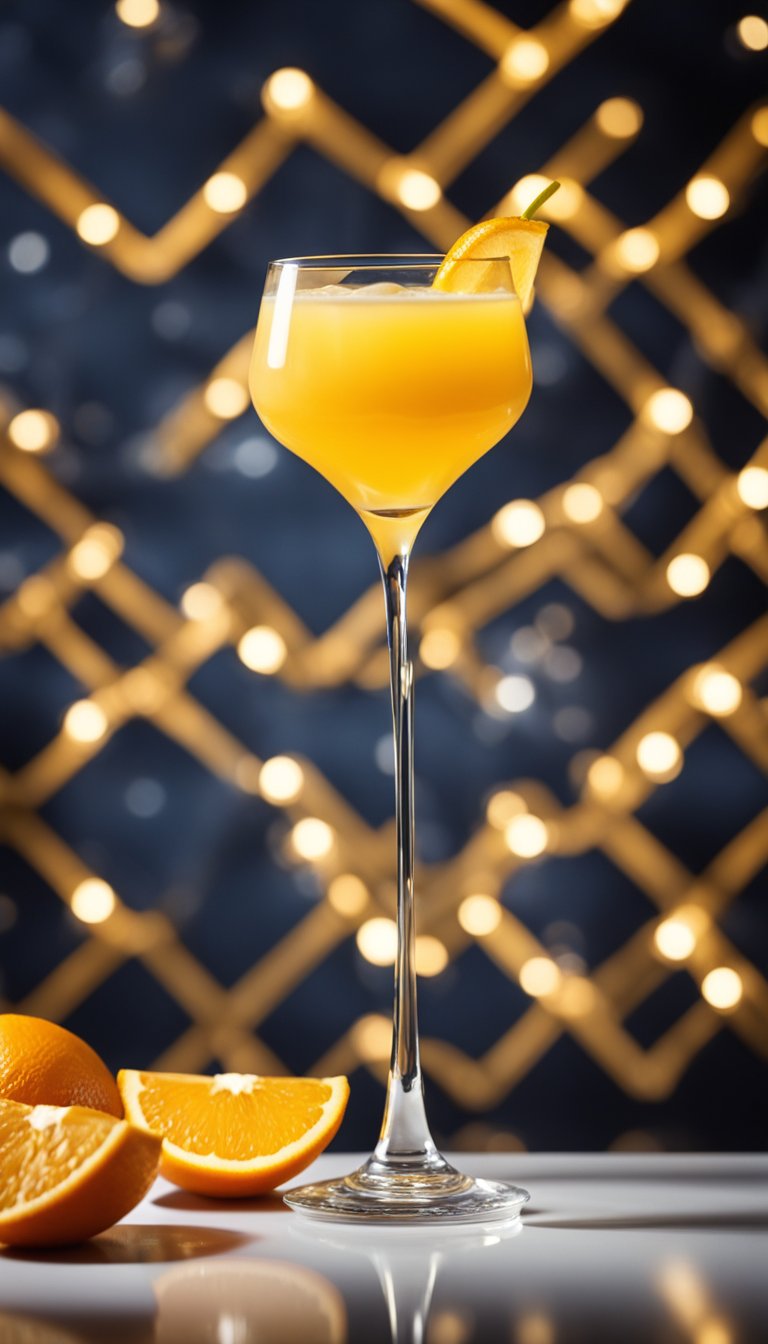
Making cocktails using Botanical Alcohol-Free Spirits The Bartender’s Guide
In this final part in our exploration of herbal alcohol-free spirits found in the European Union (EU), we’re stepping into the exciting realm of cocktail making. As the popularity of non-alcoholic beverages grows, bartenders mixologists all over the EU are taking on the challenge of creating original stylish alcohol-free cocktail recipes. Let us discover the secrets to crafting exquisite spirits that are made of botanicals and alcohol free. They delight the senses.
What is the Art Mixology that is alcohol-free Mixology
Bold and underlined: The Rise of Mixologists
In the wake of increasing demand for cocktails that are alcohol-free, mixologists’ have been propelled into the spotlight. These talented creators are like alchemists, who transform botanical alcohol-free spirits into intriguing cocktails that rival alcoholic counterparts.
Italicized: The Power of Ingredients
The key to making exceptional botanical alcohol-free cocktails is the ingredients you choose. Mixologists will often make use of fresh fruits, herbs, and high-quality botanical alcohol-free spirits as their building blocks. These ingredients enliven each creation with layers of aroma and flavor.
Botanical Cocktails Recipes to Savor
Let’s look at some appealing drinks that are alcohol-free and botanical. delight patrons in bars and restaurants all over the EU.
Bold and Bold and: The Garden Refresher
This cocktail is a showcase of Seedlip Garden 108, a refreshing spirit made of alcohol-free that’s infused with spearmint, peas, hay as well as rosemary and thyme.
Ingredients:
- 50 ml Seedlip Garden 108
- 15 ml elderflower cordial
- 20 ml fresh lime juice
- A handful of fresh mint leaves
- A little soda water
- Ice cubes
Instructions:
- In a shaker, gently muddle the mint leaves.
- Add Seedlip Garden 108, cordials of elderflowers and lime juice.
- The shaker should be filled with ice and shake it vigorously.
- Strain the drink into a glass that is filled with water and ice.
- Make sure to top it off with soda water and garnish with a sprig of mint.
Italicized: The A+corn the Spritz
Acorn Aperitifs have earned their place in the realm of mixology without alcohol, and this recipe demonstrates their distinctive A+corn Bitter.
Ingredients:
- 50 ml A+corn Bitter
- 100 ml tonic water
- A grapefruit slice
- Ice cubes
Instructions:
- Pour wine into a glass using Ice cubes.
- Pour A+corn Bitter in.
- Add the tonic water and gently stir.
- Garnish with a slice of grapefruit.
Making Your Signature Cocktail
Underlined The Art of Personalization
One of the great things about mixology is its ability to create cocktails that are unique. Bartenders are encouraged with flavors, infusions, and garnishes, to create distinctive concoctions that match the preferences of their guests.
Italicized: Stryyk and Lyre’s Foundations with Versatile Properties
Lyre’s and Styyk’s both offer versatile alcohol-free spirits, which makes them ideal choices for making an array of drinks. No matter if you’re making a refreshing mocktail or an alcohol-free classic cocktail They have you covered.
Join Us for Part IV: The Botanical Alcohol-Free Spirit revolution continues
The next part of our series, we’ll look at the trend of pairing alcohol-free botanical spirit with food. From delicious appetizers, to exquisite main dishes, we’ll look at the ways that these unique spirits enhance meals. Don’t miss out on this amazing journey!
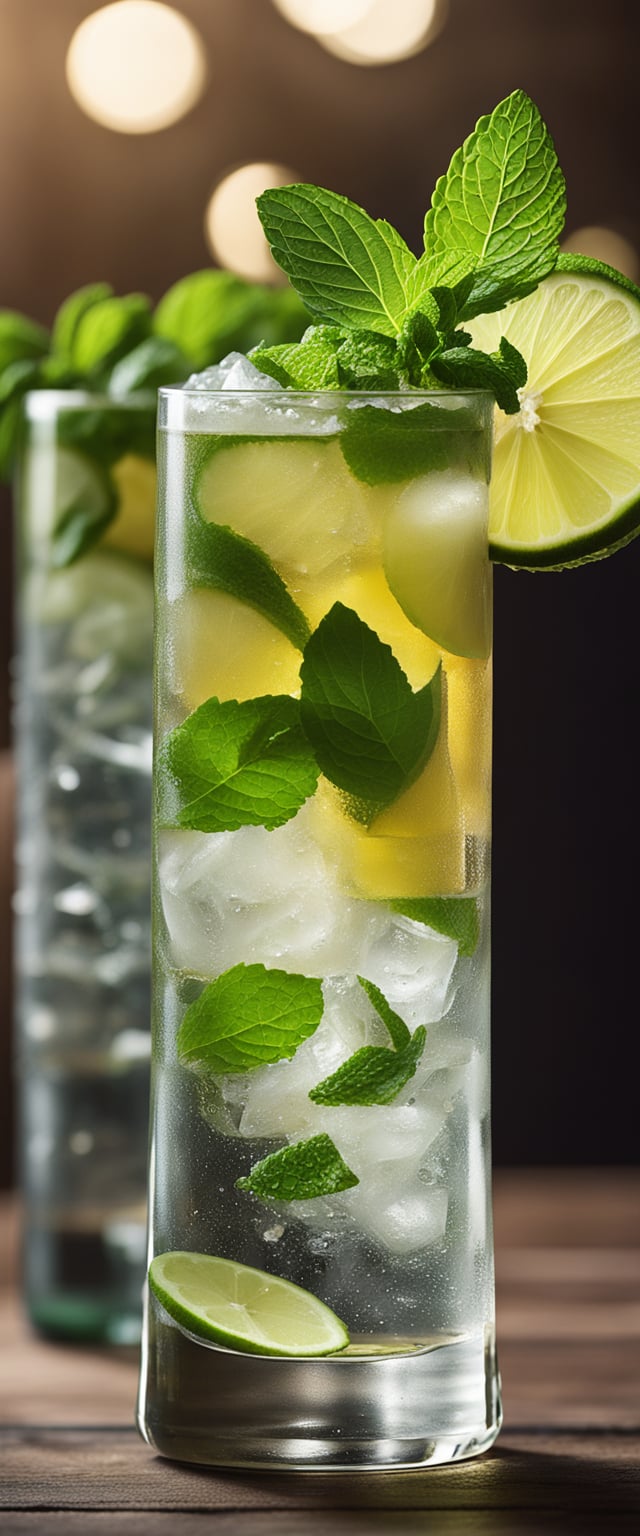
The Art of Pairing: Botanical Alcohol-Free Spirits and Gastronomy
In our research into botanical alcohol-free spirits inside the European Union (EU), we’ve been exploring the world of mixology. We’ve enjoyed delicious cocktails made with these unique spirit blends. The fourth section of the series, we’ll be focusing on an exciting endeavoraEUR”pairing botanical alcohol-free spirits with food. Learn how these spirits that are alcohol-free improve the taste of food across the EU.
Improving the Dining Experience
Bold and Underlined: Beyond the Beverage
Botanical alcohol-free spirits are not just beverages; they are versatile ingredients that chefs and home cooks alike are using in their culinary creations. From snacks to desserts, the possibilities are limitless.
Italicized A Spectacle of Flavors
Mixing botanical alcohol-free spirits and food is similar to creating the sounds of a symphony. The notes of botanical and herbaceous in these spirits are able to complement and enhance the flavor profile that various foods offer.
The Botanical Spirit Pantry
Let’s take a look at some top botanical alcohol-free spirits that stand out and how they can be easily implemented into your dining repertoire.
Bold and underlined: A+corn Bitter
The aperitif that is alcohol-free, A+corn Bitter, is famous for its deep and complex flavors, that remind us of traditional bitters. Its ability to be used in the kitchen is a bonus.
Mixing Strategies:
- Appetizer It is recommended to drizzle a small amount of it over a freshly made Caprese salad for a hint of bitterness that counterbalances the sweetness of mozzarella and tomatoes.
- The main course You can make a marinade with A+corn Bitter and olive oil garlic, herbs, and olive oil used to grill vegetables, or tofu.
- Dessert It adds a hint to chocolate-based desserts in order to increase the depth of flavor.
Italicized:”Lyre’s Dry London Spirit
This non-alcoholic substitute for London Dry Gin, Lyre’s Dry London Spirit, boasts the traditional juniper-forward flavor of Gin without alcohol.
Pairing Ideas:
- appetizer: It can be used as a foundation for refreshing cucumber and mint cocktail or mocktail for pairing with seafood.
- The main course The idea is to create a sophisticated sauce by cutting down on the Lyre’s Dry London Spirit with shallots cream, herbs, and shallots for dishes made from pasta or chicken.
- Dessert: Blend it into sorbet recipes to make a delicious and free of alcohol treat.
The Botanical Revolution in Alcohol-Free Spirits Continues
Underlined: A Trend that is Flourishing
The culinary landscape is changing, and the incorporation of botanical alcohol-free spirits into the food industry continues to grow. Restaurants with a reputation for excellence and creative home cooks are embracing this movement, providing patrons with memorable dining experiences.
Italicized: Join Us to Part V of Exploring the The EU’s Botanical, Alcohol-Free Spirit Landscape
As we close our trek into the world of botanical alcohol-free spirits make sure to check out the last segment of the series. We’ll examine the varied landscape of botanical alcohol-free spirit in the EU as we highlight the top brand names, flavors, as well as new developments that are shaping this innovative industry.
Stay tuned for our grand finale at which point we’ll wrap this enthralling exploration of the botanical alcohol-free spirit revival!
Discovering Botanical Alcoholless Spirits within the EU”A Culinary Odyssey
Welcome to the ultimate conclusion of our journey through the world of fascinating herbal alcohol-free spirits found within the European Union (EU). In the fifth and last installment in our series we’ll embark on a foodie journey through the world of food, while reliving our experiences, as well as reflecting on the evolving scene of alcohol-free spirits. Join us for a scrumptious and educational experience.
Recap of Our Botanical Adventure
Before we dive into the culinary aspects, we’ll briefly review the remarkable journey we’ve embarked on:
Section 1: Uncovering the World of Botanical Alcohol-Free Spirits
In the first segment, we introduced you to the fascinating realm of botanical alcohol-free spirits. We explored their history the production process, their origins, and the myriad of botanical ingredients that differentiate them.
2. Crafting stunning Botanical Alcohol Free Cocktails
In our second series we looked into mixology and revealed the art making delicious alcohol-free cocktails using these incredibly versatile spirits. From traditional cocktails to creative drinks, we’ve seen mixologists push the boundaries of creative thinking.
Section 3: Its Health and Wellness Aspects
The third segment of our program was dedicated to the health and wellbeing aspects of alcohol-free botanical spirits. We spoke about the benefits in choosing alcohol-free choices, for both physical health and mental well-being.
section 4: Pairing Botanical Alcohol Free Spirits with Food
In our last section in which we examined the exciting world of pairing botanical alcohol-free spirits with food. From appetizers to desserts, we’ve discovered how these spirits can enrich the dining experience.
The Culinary Beauty of Botanical Alcohol Free Spirits
Italicized: A Harmonious Marriage
Mixologists and expert chefs alike are beginning to recognize the harmonious connection between botanical spirits, which are alcohol-free, and food. The botanical and herbal notes they contain provide a variety of tastes which can take the cuisine to greater standards.
Savouring the Moment
In this segment, we’re inviting guests to take in the moment when we look into the delightful world of culinary cocktails and new concepts that incorporate botanical spirits that are alcohol-free.
Underlined: The art of sipping and Savouring
When you’re dining out at the Michelin-starred restaurant of your choice or exploring your culinary talents at home, the botanical alcohol-free spirits have a spot on the table. Home cooks and chefs alike are mixing these spirits into their creations and creating distinctive and delightful dishes.
Bold and Underlined A Pantry of Possibilities
From the earthy richness of A+corn Bitter to flavors of the juniper-forward Lire’s Dry London Spirit, the natural alcohol-free spirit store is overflowing with possibilities. These spirits can be used as essential ingredients, and can add novel flavors and aromas.
A Smell of Botanical Alcohol-Free Spirits for Gastronomy
Let’s take a moment to examine some of the most inspiring ideas and pairings:
Appetizer Inspiration:
- Italicized Start your food journey with a light and vibrant starter, such as a cucumber and mint salad, drizzled with a little botanical alcohol-free spirit that will awaken the taste buds.
Main Course Magic
- Bold and underlined Take your food to the next level by elevating your primary course with a sophisticated sauce, made by cutting down alcohol-free spirits made from botanicals with cream, shallots, and a mixture of herbs.
Dessert Delights:
- Underlined End your culinary experience with a exquisite sorbet without alcohol, enriched with the vibrant notes in botanical spirits.
Final: A toast to a Botanical Renaissance
As we raise our glasses (filled with alcohol-free botanical spirits Of course) Let’s toast the remarkable journey that we’ve traveled. The revival of botanical alcohol-free spirits is on the move providing us with innovative choices that encourage health, inspiration, and the highest quality of food.
Throughout this series, we’ve uncovered the range and complexity of botanical alcohol-free spirits. They play their function in mixology their benefits to wellbeing as well as their compatibility with food, and their growing presence in Europe. As the culinary landscape continues to change as it does, these spirits stay in the forefront of new ideas.
A Toast towards New Beginnings
In closing, we invite you to keep exploring the fascinating world of botanical alcohol-free spirits, and to try new recipes and be awed by moments of wellbeing and culinary delight.
We appreciate you joining us on this adventure. From now until our next adventure remember that the lure of botanical alcohol-free spirits in Europe is just a sip away.
The Art of Making the Perfect Alcohol-Free Mocktails: A Delightful Journey
In the last few years, the world of beverages has witnessed a remarkable change. Gone are the days when non-drinkers had to settle with ordinary soft drinks and basic water while their pals indulged in spirits and cocktails. Today, the rise of mocktails that are alcohol-free has not only filled the gap but additionally brought flavor, innovation, and excitement to the world of non-alcoholic beverages. In the initial segment of the series we will explore the world of alcohol-free cocktails and examine the reasons why they are now the hottest drink in the world.
The Mocktail Revolution
Mocktails an innovative fusion made up of “mock” and “cocktail,” represent a revolution in how we think about non-alcoholic drinks. These delicious cocktails capture the fundamentals of classic drinks with out any alcohol. While mocktails have been in existence for some time, their popularity has skyrocketed in recent times, due to the growing demand for sophisticated, alcohol-free alternatives.
What’s it’s a Craze?
Mocktails are not just a passing trend; they’re expected to remain. Numerous factors have contributed to their rising popularity.
-
Awareness of Health The increasing awareness regarding the dangers to your health that come with alcohol, many people are opting for healthier choices. Cocktails can be guilt-free without compromising on flavor.
-
Inclusivity In a culture where we value inclusion it is essential that everyone regardless of their preference for alcohol, can participate in the celebration. They provide a bridge between people who drink and those who don’t at social gatherings.
-
Creative expression Making a mocktail is a fine art form. It allows mixologists and home-based enthusiasts to play around with flavors along with colors, garnishes and other ingredients that result in visually exquisite and delicious drinks.
-
Diverse Ingredients The diversity of ingredients for making mocktails is astounding. Fresh herbs, fruits, syrups, and spices provide a myriad of possibilities for making unique and unique flavor profiles.
-
Zero Hangover: A very appealing aspects of mocktails are the absence of a hangover. You can drink them all night long and not wake up with a heavy headache.
The Mocktail Appeal
The reason that mocktails seem so appealing? Let’s delve into some of the key motives behind why these delicious drinks have won the hearts and palettes of a wide range of people:
Flavorful Bliss
Mocktails are all about flavors that explode. They can provide a myriad of flavors, ranging from tangy and zesty to sweet and refreshing. No matter if you’re craving something sweet hot, herbal, spicy, or tangy there’s a mocktail recipe to satisfy your tastes.
Visual Elegance
It’s all about presentation, with mocktails delivering on aesthetics. These drinks are typically embellished with fresh fruits the freshest herbs, as well as colorful straws. Their vibrant colors, as well as the imaginative designs make them a treat for the eyes.
Versatile Delights
Mocktails are extremely versatile. They can be customized to fit any occasion, from casual get-togethers to formal gatherings. There are mocktails that can be enjoyed at brunch, mocktails for parties, and even mocktails that complement your favorite meals.
Inclusive Cheers
With a cocktail in hand, no one feels at a loss. They create a welcoming atmosphere where everyone can be part of the celebration. The mocktails are a great way to engage in lively discussions and shared experiences without the need to drink alcohol.
In our adventure through the world of non-alcoholic mocktails, we’ll explore everything from essential mocktail-making tools to mouthwatering recipes that can elevate your drink game. So, be sure to join us as we take you on this exciting journey. In the next chapter we’ll explore what is required to create the most perfect mocktail.
The Art of Making the Perfect Alcohol-Free Cocktail essential tools and ingredients
This is the return of our journey into the world of mocktails without alcohol. In this segment we’ll take a look at the most essential ingredients and tools required to create delicious concoctions that are both visually stunning and bursting with flavor. Let’s unwind our shackles and start a new culinary adventure!
It is the Mocktail Maker’s Arsenal
Similar to a painter who needs brushes and a canvas, a seasoned drinker needs specific tools and ingredients in order to craft cocktails that make the best. Let’s have a closer view of the arsenal of a mocktail maker:
1. Glassware
Selecting the correct glass for your mocktail is essential for the presentation. Different glass types serve different purposes:
- Highball Glass: Great for tall and refreshing mocktails such as Shirley Temple, the Virgin Mojito or Shirley Temple.
- Cocktail Glass (Martini Glass): Perfect for serving sophisticated and fashionable mocktails.
- Mason Jar provides an informal and rustic look to your drink, great for gatherings outdoors.
- Coupette Glass: Perfect for serving smaller and less concentrated cocktails.
2. Shaker
An cocktail shaker becomes crucial in making mocktails that need mixing. It’s especially useful when you need to combine various ingredients like juices, syrups, and ice.
3. Muddler
A muddler is a bartending tool used to crush fruits, herbs, or spices for release of their flavor. It’s ideal for cocktails that have muddled or smashed ingredients such as those of the Virgin Mojito or Raspberry Smash.
4. Jigger
Jiggers are measuring instrument that helps ensure precision in the mocktail recipe. It can help you find exactly the right amount of ingredients, which balance flavor perfectly.
5. Bar Spoon
A long-handled spoon for bar use is useful to gently stir mocktails without disrupting the ingredients’ layers. It’s especially helpful for layering or mixed mocktails.
6. Ice
Ice is a fundamental element in a variety of mocktails. You’ll need an ice maker or trays on hand to keep your mocktails cool and refreshing.
Important Ingredients to Mocktail Magic
Now that you’ve got your tools, let’s go into the key ingredients that make up the foundation of mocktail creation:
1. Fresh Fruits
Fresh fruits are the centerpiece of some mocktail recipes. They can provide natural sweetness flavor, and bright colors. Some of the most sought-after flavors include:
- Citrus Fruits: Lemons(limes), oranges and grapefruits are ideal choices for refreshing flavors and refreshing acidity.
- Berries: Blueberries, raspberries and blackberries give sweetness and a burst of color.
- Tropical Fruits Pineapples, mangoes and passion fruit add with tropical flavours into your mocktails.
2. Fruit Juices
Fruit juices provide the base for a number of mocktails. Take note of having several juices at hand such as orange pineapple, cranberry, or the pomegranate to create a variety of flavor profiles.
3. Herbs and spices
Fresh herbs and spices increase the aroma and taste of mocktails. Mint, rosemary, basil and cinnamon are popular choices to garnish mocktails or infusions.
4. Syrups and Sweeteners
To add sweetness and depth to your mocktails syrups and sweeteners such a simple syrup, sweeteners like honey, agave nectar, and grenadine are all essential.
5. Soda Water
Soda water or sparkling water gives fizz and a refreshing component to mocktails. It’s a key ingredient in classic mocktails such drink like Virgin Mojito and Virgin Pina Colada.
6. Bitters
Bitters are concentrated extracts of flavor that can be used in small amounts to enhance the taste of mocktails. A few dashes of aromatic or fruit bitters can add a different flavor.
Sourcing Fresh Ingredients
For the best experience in a mocktail Get fresh and premium ingredients. Go to your local farmer’s market or grocery store for the freshest ingredients in fruits fresh herbs, juices, and other ingredients. Remember that fresh ingredients will make a big difference in flavor.
In the next portion in the next segment, we’ll get dirty and begin preparing some mouthwatering mocktail recipes. We’ll be exploring classics and ingenuous creations that are sure to impress all your guests as well as entice your taste buds. Keep an eye on us for the ultimate sip-worthy experience!
Seize the Wholesale Advantage: Order Alcohol-Free Spirits in Large Quantities Directly from Swedish Distillers!
The Art of Crafting Mocktails: Traditional and Creative Recipes
Welcome to the thrilling realm of mocktail-making, in which we explore the middle of mixology with no drop of alcohol. In this section, you’ll discover traditional and innovative mocktail recipes that will awaken your taste buds and delight your guests. Whether you’re hosting a party, lounging by the pool or just looking for refreshing and flavorful drinks The mocktails listed here have the job done.
the classic mocktail Recipes
1. Virgin Mojito
Ingredients:
- Fresh mint leaves
- Lime wedges
- 2 tablespoons of sugar or simple syrup
- Soda water
- Crushed ice
Instructions:
- Mix lime wedges and mint leaves with simple syrup or sugar in the glass.
- The glass should be filled with crushed ice.
- Serve it with soda water and mix gently.
- Garnish by adding a mint sprig, and a lime wedge.
2. Virgin Pina Colada
Ingredients:
- 1 cup of the juices from pineapple
- 1/2 cup of coconut cream
- Crushed Ice
Instructions:
- Blend pineapple juice, coconut cream, together with ice cubes until smooth.
- Pour the drink into an chilled glass.
- Serve garnished with a pineapple slice and maraschino cherries.
Creative Mocktail Creations
3. Berry Bliss
Ingredients:
- 1/2 cup of mixed of berries (strawberries blueberries, strawberries, raspberries)
- 2 tablespoons of sugar or agave nectar
- Lemon juice
- Soda water
- Crushed ice
Instructions:
- Blend mixed berries with honey or agave, as well as the juice of a lemon.
- Pour into a glass with crushed frozen ice.
- Top it up with soda water and give it another gentle stir.
- Serve with lemon juice and a handful of fresh berries.
4. Cucumber Cooler
Ingredients:
- Four cucumber slices
- 3 basil leaves
- 1/2 lime half lime, juiced
- 1 tablespoon of simple syrup
- Soda water
- Crushed ice
Instructions:
- Mix chopped cucumbers and basil leaves in a glass, along with lime juice and simple syrup.
- Fill the glass with crushed Ice.
- Pour in soda water. Stir gently.
- Garnish with a slice of cucumber and the sprig of basil.
Tips for Mocktail Mastery
- Play around with ingredients Do not be afraid to be creative and experiment with different varieties of fruits, herbs and spices to create distinctive flavour profiles.
- Presentation is important Drinks: Decorate your mocktails with fresh fruit slices, herbs, or colorful straws to make them visually appealing.
- A Balancing Act to achieve the perfect balance between sweet, sour, and bitter flavors by changing the quantities of ingredients.
Coming Soon: Glassware, mocktail garnishes, and Mocktail Garnishes
In the following section we’ll take a look at the art of garnishing mocktails. It is crucial to choosing the appropriate glassware for the perfect presentation. You’ll discover how you can take your mocktail crafting skills to the next level with these fundamental tips and tricks.
So that’s it, whether you’re sipping classic Virgin Mojito or indulging in the delicious fruity flavor of Berry Bliss making mocktails is about enjoying tasty flavors without the need for alcohol. Keep an eye out for more cocktails that will make you smile!
Learn the Art of Crafting Mocktails: Glassware and garnishes for mocktails
Welcome back to our voyage through the world of mocktail crafting. In this section, we’ll explore the technique of garnishing mocktails and the importance of picking glasses that are appropriate for your needs. These finishing touches can take your mocktail from ordinary to something extraordinary, making your creations not only taste fabulous, but also look beautiful.
Improve Your Hairstyle with Garnishes
The garnishes you use for your mocktail play a vital part in improving both the taste and appearance the drinks. Here are some suggestions for garnishing that can leave your guests amazed:
1. Citrus Zest
A twist of lemon lime or orange zest will add an explosion of fresh citrus aroma and a taste to your mocktail. Use a citrus peeler create elegant and long twists.
2. Herb Sprigs
Fresh herb sprigs, such as mint, basil or rosemary will not only create a wonderful scent, they additionally enhance the flavors of your mocktail. Simply slap the herb between your hands to release the essential oils before garnishing.
3. Fruit Slices
Thin slices of fruits, such as lemon, lime, or strawberry, are not only appealing visually, but also make your mocktail more flavorful by adding delicate fruity flavors.
4. Edible Flowers
The delicate edible flowers such as violets and pansies can transform your mocktail into a work of art. Check that the flowers you purchase are safe for consumption and free of pesticides.
5. Umbrella Straws and Picks that are Colorful and Bright
If you’re looking to add some enthusiasm and fun, choose mini umbrellas as well as colorful straws or swizzle sticks. These are great to serve mocktails that are tropical themed.
The Role of Glassware
The choice of glasses can have a significant impact on the overall experience of your mocktail. Here are some standard glassware options, and when to use them:
1. Highball Glass
The ideal choice for mocktails with more mixer to spirit. Examples include Virgin Mojito or Virgin Pina Colada.
What’s the reason? the tall, slim shape of a highball glass lets you enjoy plenty of ice, which keeps your beverage cold. it’s ideal to serve drinks with tonic or soda.
2. “Rocks” Glass (Old Fashioned Glass)
Excellent for: Mocktails serving “on the rocks,” in other words, on top of an ice cube, such as for example, the Cucumber Cooler.
What’s the reason? The shorter, stronger glasses are ideal for drinks that require no mixers and plenty of the ice.
3. Cocktail Glass (Martini Glass)
Great for elegant and sophisticated mocktails, such as the Berry Bliss.
Why The well-known cocktail glass’s wide shallow bowl is ideal for drinks that are stirred or shaken or served without some ice.
Garnishing Pro Tips
- Preparation You should prepare your garnishes ahead of time so that they are ready when you’re creating mocktails to serve your guests.
- Serving Serve the garnishes lightly on top of the mocktail. You can also use cocktail picks to make sure they remain in the correct place.
- Balance Think about the balance between the garnish and the drink The goal is not for the garnish to overwhelm the flavor.
Coming Up Next: Essential Mocktail Tools
In the next section we’ll go over those essential tools that every enthusiast needs with them in their collection. From shakers and muddlers to a shaker, these tools will aid you in make your mocktail crafting more efficient. Keep an eye out for more techniques and tips to enhance your mocktail skills.

It’s the Mocktail Masterclass Series: Crafting non-alcoholic delights
This is the final installment series Mocktail Masterclass series! In the last four articles We’ve gone on a deep dive into the art of making delicious mocktails. From selecting the best ingredients to enhancing your garnishes and serving glasses. We’ve got it everything. In this concluding chapter we’ll look back at our journey and then leave you with some closing thoughts on the art of mocktails.
Review of Our Mocktail Journey
Section 1: The Mocktail Renaissance
In our first article, “The Mocktail Renaissance: Elevating Non-Alcoholic Mixology,” we explored the resurgence of mocktails, especially in today’s world of food. There were several key lessons to be learned:
- The increasing demand for non-alcoholic alternatives.
- The possibilities for creativity in mocktail ingredients.
- The importance of balance and the flavor profile.
Section 2 Mixing Magic: Creating the perfect base
In the 2nd installment, “Mixing Magic: Crafting the Perfect Mocktail Base,” we delves into the most fundamental components of mocktails, including:
- Syrups, fruit purees and juices for base ingredients.
- Producing distinctive and delicious bases.
- Balance sweet, sour and bitter elements.
Section 3 Learning the art of Mocktail Garnishes
This is our third post “Mastering The Art Of Mocktail Garnishes and Glassware,” was focused on aroma and visual characteristics of mocktails.
- Garnishing tips and ideas including citrus zest and edible flowers.
- Selecting the correct glassware for the perfect presentation.
- Tips to improve to the next level in your garlands game.
Section 4: Shaking It Up: Key Mocktail Tools
In our concluding piece, “Shaking It Up: Essential Mocktail Tools and Techniques,” we explored the tools and skills required to be a master of mocktails:
- Tools that are essential for making mocktails.
- Shaking or stirring and mixing techniques.
- Recipes of classic mocktails to improve your abilities.
Conclusion: Cheers to Your Mocktail Journey!
As we come to the end of with our Mocktail Masterclass series, we are hopeful that you’ve inspired you by the experience to start your own mocktail-making journey. Crafting mocktails is more than mixing ingredients. It’s an art form that enables people to express their imagination, cater to diverse tastes and create an enjoyable drinking experience for all.
whether you’re an experienced mixologist or just a curious newbie, the world of mocktails provides endless possibilities. It’s possible to play with flavors and flavors, delight your taste buds, and share delightful, alcohol-free concoctions with friends and your loved ones.
And here’s to your mocktail journey! Your creations will always be delicious, the garnishes you serve and your glassware pristine. You may be hosting a formal occasion or simply looking to relax cocktails have the ability to make any occasion more memorable.
Stay In the Loop for More
This marks the close the Mocktail Masterclass series, we will have more engaging content in store for you. From cocktail ideas to culinary adventures we’ll continue to offer useful tips and ideas in your cooking and drink excursions.
We thank you for taking us on this delicious journey. Keep exploring, keep making and drink those fabulous mocktails!
Unlocking the latest EU as well as UK alcohol-free Spirit Demand Trends: Get Your Hands On It for Success!
In the ever-changing world of beverages staying ahead curve is not just a business plan, but a necessity. As the demand for healthier and alcohol-free alternatives increases, the alcohol-free spirit market that is available in the European Union (EU) and the United Kingdom (UK) is growing at a rapid rate. In this thorough guide, we’ll dive into the latest trends in the market, revealing valuable insights that can propel your business to new levels.
Understanding the market for alcohol-free spirits
Before diving into the specific trends shaping the EU and UK markets, it’s essential to comprehend the larger context of alcohol-free spirits. These innovative drinks have been gaining a lot of attention in recent years, driven through a shift in consumer habits towards healthier and more conscious drinking habits.
The modern consumer is more concerned with their health and value products that align with their overall health. Traditional alcohol drinks no longer are as appealing, as more people are seeking alternatives that offer the pleasure of drinking with no negative side effects. alcohol.
The market for alcohol-free spirits is responding to this trend by providing sophisticated and non-alcoholic drinks that are akin to the flavor and aroma of traditional spirits like vodka, gin and whiskey. These products appeal to the diverse crowd, which includes the teetotalers, designated drivers pregnant women, and those seeking to cut down on their alcohol consumption.
The Global Trend of Mindful Drinking
The increasing popularity of alcohol-free beverages isn’t limited to the EU in the UK and the UK alone. It’s part of a worldwide trend that is known as “mindful drinking.” This movement is focused on making conscious choices about alcohol consumption encouraging moderation and seeking alternatives that can be incorporated into a healthy living.
The mindful drinking trend has seen an increase in popularity across the globe. More and more people are choosing drinks that allow them to be social, have fun and unwind without the harmful effects of alcohol. This new trend in the culture is propelling the market for alcohol-free spirits up to new heights.
Now that we’ve established our background of alcohol-free spirits and the worldwide trend of mindful drinking Let’s turn our attention towards the specific market trends within the EU. In the next part, we’ll provide an overview of the EU market along with its development trajectory and its market value.
Keep an eye out for Section 2, where we’ll explore the EU markets for alcohol-free spirits more in depth including key stats and new trends that you have to be aware of.

In the EU Alcohol-Free Spirit Market: Statistics and emerging trends
In the constantly changing landscape the European Union (EU), the alcohol-free spirit market has become the center of attention as it attracts both consumers and businesses alike. In the next section in our research into the most recent trends of the EU and UK markets for alcohol-free spirits we dive deeper into the EU market, giving an in-depth analysis of its size, growth, and the exciting developments that are shaping the future of the market.
The EU Alcohol-Free Spirit Market at a Glance
Market Growth and Forecasts
The EU alcohol-free spirit market has seen remarkable growth in recent years, showing no indication of slowing down. The market’s compound annual growth rate (CAGR) gives a vivid depiction of its rapid growth. According to industry reports, there is a CAGR that of market for alcohol-free spirits in the EU is estimated to be around 12% in the period from 2020 until 2027.
This impressive growth could be due to a number of key elements:
-
Information for Consumers: Growing awareness of the health risks that come with the consumption of alcohol has forced consumers to search for healthier alternatives. Alcohol-free spirits, with their attractive scents and flavors have become a sought-after option for a lot of.
-
Wide Variety of Product Options: It is the EU market provides a huge selection of alcohol-free spirits and products, catering to a variety of tastes and preferences. Whether you’re a fan of the gin with botanicals, or a whiskey lover, there’s an product for you.
-
Creative Marketing Some brands have invested in creative marketing strategies to showcase their alcohol-free services. This includes partnerships with bars, restaurants and online celebrities to reach a wider audience.
Valuation of the Market and Revenue
The EU market for alcohol-free spirits’ current valuation is in the range of a,!200-a,!250 million, a figure that will likely to rise in the coming years. The market’s growing is evident in the income it earns, and experts anticipate that it could be worth a million or greater in 2025.
Market expansion is not limited in developed EU countries. Markets in the emerging markets of Eastern as well as Southern Europe are also contributing significantly to this expansion. Consumers in these regions are becoming more open to non-alcoholic spirits increasing the geographic reach of the market.
New Trends in the EU Alcohol-Free Spirit Market
1. Craft and Artisanal Products
Consumers in the EU have a growing desire for artisanal and craft spirits that are alcohol-free. They are impressed by the quality of the ingredients, unique flavor profiles, and premium quality of these drinks. Craft distilleries are becoming more popular in the quest to create small-batch and handcrafted alternatives to traditional spirits.
2. The Low and No Sugar Variety
People who care about their health are scrutinizing the labels more than they have ever before. This has led to the demand for alcohol-free spirits with little or no sugar. Companies are responding by creating products that meet this particular diet, and providing options that match a lifestyle that is sugar-free.
3. Functional Ingredients
Incorporating functional ingredients in alcohol-free spirits is a different new trend that is gaining momentum. Consumers are increasingly seeking beverages which offer not only a great flavour but also offer potential health benefits. In addition to adaptogens, botanical extracts and vitamins are introduced to create unique, wellness-focused options.
4. Sustainable and eco-friendly practices
Sustainability is a primary concern for many consumers. Companies that promote environmental-friendly packaging and sustainable use of ingredients are getting more traction. They are also gaining popularity in the EU market is experiencing an increase in eco-conscious, alcohol-free spirits that appeal to consumers who are conscious of the environment.
Keep an eye out for Section 3 when we shift our focus to the UK spirit market – alcohol-free – looking at its evolution and elements that are driving its growth.
Direct Wholesale Excellence: Swedish Distillers Offers Top-Notch Alcohol-Free Spirits!
The UK The UK is alcohol free Spirit Market: A Soaring Trend
While we continue our journey through the dynamic universe of alcohol-free liquors, the focus now shifts to the United Kingdom, where the market for these innovative drinks is experiencing rapid growth. In this third installment of our series, we’ll study the UK alcohol-free spirits market in depth and shed light on the patterns, trends, and consumer preferences that are shaping its future.
The UK Alcohol-Free Spirit Market: A thriving Landscape
Rapid Expansion and Market Dynamics
The UK alcohol-free spirit market has seen an explosive increase in recent years. This growth is mostly driven by several key factors:
-
Awareness of Consumer Health with a renewed attention to health and wellness, an increasing number of people in the UK are taking a more mindful approach to alcohol consumption. They are seeking alternatives that permit them to enjoy the flavor and rituals that come with alcohol, without the negative health implications.
-
premiumization There is a market experiencing the rise of high-end and premium alcohol-free spirit brands. These products cater to customers who value the best aspects of spirits, including complex flavors, superior ingredients, and a meticulous process.
-
The changing social norms: There’s an evolution in the way we think about social norms underway in the UK as non-alcoholic beverages are getting more accepted and even fashionable. This shift is evident in the rise in bars that are alcohol-free and a growing selection of non-alcoholic drinks in traditional establishments and bars.
It’s the UK Market in Numbers
Let’s examine some data that show the strength of the UK alcohol-free spirits market:
-
Market Value: At present, estimates for the UK alcohol-free spirit market stands at around APS50 million. The market is expected to increase by a factor of three or four in the next few decades as demand from consumers is expected to continue to rise.
-
The adoption of the consumer: The research suggests that over 20% of UK adult consumers have reduced their alcohol consumption substantially leading to a rise in sales of spirits containing no alcohol.
-
The Premium Segment Alcohol-free premium spirits is one of the fastest-growing. The brands that offer premium alternatives to traditional spirits are gaining significant market share.
Trends in Defining the UK Alcohol-Free Spirit Market
1. Mixology that is alcohol-free
Mixologists and bartenders are making use of alcohol-free spirits in order to create sophisticated and imaginative cocktails. This is elevating the importance of alcohol-free drinks in the world of mixology and encouraging both enthusiasts and professionals to create unique flavours and presentation.
2. Health-Centric Choices
People who are conscious of their health are turning to spirits that are alcohol-free and offer more than just unrestricted drinking. These products often incorporate healthy ingredients like superfoods, plants, and adaptogens, which are in line with the overall health and wellness movement.
3. Versatile Flavor Profiles
A wide variety of flavors is a characteristic of the UK market for alcohol-free spirits. Brands are offering a huge choice of options, such as juniper-forward spirit to smoky and smoky alternatives to whiskey. There’s a spirit without alcohol to satisfy any taste.
4. Sustainable Practices
Eco-conscious consumers are increasingly looking for products that align with their values. A lot of UK alcohol-free spirits brands are responding by implementing ethical and sustainable practices, ranging from responsible sources to recyclable packaging.
As the UK alcohol-free spirit market thriving and growing, it’s clear that this trend is set to last. In the next section we’ll investigate the global impacts on this booming industry including its influence in international markets, as well as the innovations it continues to incite.
Stay tuned to Section 4, where we’ll go on a voyage to discover how EU and UK alcohol-free spirit market is influencing global trends in beverage.

The Global Impact The Global Impact: How EU as well as UK Non-alcohol Spirit Market Trends Influence the world
As we explore the subject of the revolution in alcohol-free spirits, we’ve witnessed the way in which the United Kingdom has become a important player in this growing industry. In this fourth segment of the series, we’ll take a trip across the globe to find out how trends in EU and UK alcohol-free spirit markets are influencing the global drink landscape.
EU and UK influence on Global Stage
It is the Pioneering Spirit of Europe
The European Union has long been a hub for innovation in the beverage industry. This is no surprise since the EU has played an important part in the creation and popularity of alcohol-free spirits. The effectiveness that EU brands in the production of alcohol-free alternatives has set the scene for worldwide recognition.
UK Market as a Catalyst
The UK and its vibrant and ever-changing alcohol-free spirit market, has acted as an engine for transformation. Here’s how:
-
Innovation Hub: It is said that the UK has turned into an innovative hub, with numerous established and new companies that are introducing new alcohol-free products. This spirit of innovation has been heard around the world, inciting similar initiatives in other parts in the world.
-
Exporting excellence: UK-based alcohol-free spirit companies are exporting their spirits to international markets, showing off British skills and tastes. This has led to a rise in awareness and increased demand for alcohol-free spirits in the world.
World Expansion in Alcohol-Free Spirits
The US Market
The United States, known for its vibrant craft beer industry has now adopted the alcohol-free spirit trend. US consumers are looking for alternatives to traditional alcohol and both international and American brands are taking steps to fulfill this demand.
Asia-Pacific Region
The Asia-Pacific region, which is home to a variety of cultures and traditions and traditions, has witnessed the explosive increase in alcohol-free spirits. Countries like Japan and Australia have developed the unique alcohol-free drinks they have created and catering to local tastes and preferences.
Latin America
For Latin America, where vibrant cocktail cultures abound, the trend of alcohol-free spirits is gaining popular. Brands are creating products that are capturing the essence of regional tastes, which is making them a success in both local and international markets.
The Ripple Effect
The impact of EU and UK trends in the alcohol-free spirit market go beyond the scope of innovation in product design. It has led to discussions about health or sustainability, as well, as the choices of consumers on a global scale.
Health and Wellness
People around the world are becoming increasingly aware to their physical health. This trend has inspired international brands to develop alcohol-free beverages that provide similar sensory experience as traditional spirits but without the harmful effects of alcohol.
Sustainable Practices
Sustainability is on the rise all over the world. The eco-friendly practices employed by EU and UK alcohol-free spirit brands have inspired similar efforts worldwide. From sustainable sourcing of ingredients to reducing carbon footprints sustainability has become a key element of the business.
What’s to come
As we’ve studied the impact upon EU and UK alcohol-free spirit market trends across the globe, it’s evident that this trend is not just a passing fad. It’s an evolutionary movement which transcends cultural boundaries, borders, and expectations of consumers.
In Section 5 in Section 5, we’ll wrap up our series by looking ahead towards the future of alcohol-free spirits. We’ll examine emerging technologies as well as the changing preferences of consumers and the breakthroughs that are likely to keep this trend going and relevant.
Keep following us as we continue our journey to the exciting world of alcohol-free spirits.
The future of alcohol-free Spirits: Innovations and Beyond
As we embark on the final leg of our exploration of the fascinating realm of alcohol-free spirits, we find ourselves at a crossing point for innovation and chance. In this final segment of our series, we’ll explore what lies ahead for the industry, and how the emergence of technologies are changing the face of the industry, and how alcohol-free spirits will continue to captivate the global market.
The Future of Innovation
Distillation Breakthroughs
Traditional distillation methods have been at the heart in the making of alcoholic spirits since several centuries. In the spirit world that is alcohol-free innovative spirits, the world is pushing the boundaries of distillation and creating products that replicate the flavor and scents of traditional spirits, but without the alcohol content.
Genetic Mixology
The art of molecular mixing, traditionally reserved for high-end bartenders, has been now making its entry into the alcohol-free world. Using scientific principles, mixologists are experimenting with unique textures, infusions, as well as presentations that elevate the alcohol-free drinking experience to new heights.
The Role of Technology
Augmented Reality Tasting
Imagine being able to “taste” an alcohol-free spirit in a virtual environment before buying it. Augmented reality (AR) technologies are enabling consumers to investigate the characteristics of alcohol-free spirits by allowing them to experience immersive experiences that help to make educated decisions.
Blockchain for Transparency
Blockchain technology is improving transparency as well as traceability for the making and distributing of alcoholic spirits. Customers can now track the supply chain from the farm to the bottle, ensuring the authenticity and sustainability of their product.
A Sustainable Future
Eco-friendly Packaging
Sustainability is a top priority. Many brands are adopting green packaging options, from biodegradable containers to reusable packaging to limit environmental impact.
Zero-Waste Distilleries
Distilleries are working towards becoming zero-waste establishments. By repurposing waste materials, recycling, and implementing energy efficient methods, they intend in reducing their ecological footprint.
The Global Reach
Expanding International Markets
The global need for alcohol-free spirits will continue to increase. Companies from EU, UK, and beyond are looking for new markets, introducing consumers all over the world to a variety of flavor profiles and ingenuous creations.
Cultural Integration
Alcohol-free spirits are increasingly a part of cultural celebrations and traditions. With more people choosing spirits that aren’t alcoholic, they are finding their way into diverse rituals and gatherings.
Final Reflection: Reframing Our Journey
Our research into alcohol-free spirits has been nothing short stimulating. Through five distinct sections, we’ve delved into the beginnings, trends in the market, the global impact, and future technological advancements of this industry.
In Sections 1 and 2, where we looked into the historical background of alcohol-free spirits to Section 4, in which we experienced the global impact from EU as well as UK market trends, we’ve seen how this industry has evolved as it adapted and flourished.
Then, in the fifth section you’ll see the future, in which technology and sustainability converge to redefine the possibilities of alcohol-free spirits. As the world shifts towards a more mindful lifestyle it is expected that this sector will be able to be the leader.
A Recap of Our Journey
-
Origins of Alcohol-Free Spirits: We traced the history of the development of alcohol alternatives and their enduring appeal.
-
This is the Booming Market: Our journey led us through the massive growth of the alcohol-free spirit market, fueled by innovation and changing consumer tastes.
-
EU in addition to UK Influence The study examined the influence that the EU in addition to UK markets on the global adoption of alcohol-free drinks.
-
The Global Effect: In this section we looked at how the other world regions are accepting this trend, all the way from US across Asia-Pacific along with Latin America.
-
The Future The final excursion has given us a look into the future in which technology along with sustainability and global expansion are set to alter the alcohol-free spirit landscape.
While we are wrapping up this particular series, we are eager to explore the infinite possibilities that are ahead. The spirit industry that is alcohol-free has grown from a small market into a global movement, providing consumers with a variety flavorful, sophisticated, and health-conscious choices.
Thank you for coming along in this adventure through the world of alcohol-free spirits. If you’re a snob or a curious newcomer the future is filled with opportunities to discover, taste and enjoy the wide world of alcohol-free drinks.
Keep an eye out for more information in the form of updates, information, and adventure in the ever-evolving world of drinks. Let’s look forward to a vibrant and healthy future!
Navigating the EU and UK Alcohol-Free Spirit Markets Essential Insights to Success
The alcohol-free spirit market in both the European Union (EU) and the United Kingdom (UK) is experiencing incredible growth. Since more people are looking for alternatives to traditional alcohol drinks the demand of alcohol-free spirits has skyrocketed. While this offers significant opportunities for businesses, it also brings forth a host of challenges that must be addressed to survive in this competitive landscape.
In this extensive guide, we’ll discuss the different challenges faced by businesses operating within the EU as well as the UK alcohol-free spirits market. We’ll take a look at the regulatory hurdles, the competitive marketplace, changing consumer expectations, and distribution challenges that could affect your business’s success. When you’re done with this article, you’ll gain valuable insights into these challenges, and will be better in navigating them successfully.
II. Regulative Hurdles
A. EU Regulations
The Overview EU Regulations on Alcohol-Free Spirits
In the EU The regulations regarding alcohol-free spirits is complex and rigorous. These rules were put in place to guarantee the safety and integrity of both beverages and food items including alcohol substitutes. They deal with issues like ingredient labeling and health claims as well as maximum permitted levels of certain substances.
Issues with Compliance, and Impacts
In the case of businesses operating in an EU market, adherence to the rules is mandatory. Non-compliance can result in hefty penalties and harm to your brand’s image. One of the biggest problems is keeping up with the constantly changing regulatory landscape, that could require regular changes to the formulations of your products and the labeling.
B. UK Regulations
Overview of the UK regulations on alcohol-free spirits
The UK has its own set of regulations in place for spirits that are alcohol-free. After leaving the EU It has the possibility of developing its own regulatory framework. Companies operating on the UK market should be aware of the regulations, which may differ from EU guidelines in particular aspects.
Unique Problèmes in the Post-Brexit Era
Navigating the UK regulatory environment after Brexit could be a bit difficult due the necessity to change to new rules and standards. Staying informed and maintaining compliance is crucial in order to ensure your products can continue to be offered on the UK market.
As we proceed in this article, we will examine other important challenges that go beyond regulatory obstacles. As we move to the next part, we will discuss the competitive landscape in detail and the impact it has on businesses in the alcohol-free spirits market.
Direct Deals for Discerning Businesses: Swedish Distillers Offers Premium Alcohol-Free Spirits!
Navigating the EU and UK Alcohol-Free Spirit Market Challenges Get immediate insights for success
II. Regulative Hurdles
On the EU and UK alcohol-free spirit industry, the regulatory hurdles create a big obstacle for companies. Being aware of and adhering to the intricate web of regulations is crucial to achieving success.
A. EU Regulations
Review of EU Regulations on Alcohol-Free Spirits
The European Union has established rigorous regulations to ensure the safety and quality of food and beverages, which includes alcohol-free spirits. These regulations cover a variety of aspects of product formulation such as labeling, packaging, and marketing.
Compliance Implications and Challenges
Making sure that you are in compliance with EU regulations is vital for businesses operating in this sector. If you don’t adhere to these guidelines can result in severe penalties and reputational damage. It’s imperative to stay up to date regarding the ever-changing regulatory landscape that may require regular adjustments to formulations or labels.
B. UK Regulations
Overview of UK regulations governing alcohol-free spirits
After the UK’s departure from the EU in June, the UK has created their own set of rules on alcohol-free liquor. These rules could differ from EU standards, and companies operating in the UK must be knowledgeable about the new rules.
Unique Problems in the Post-Brexit Era
Understanding the UK regulatory system post-Brexit is a set of new challenges. Incorporating new rules and standards is crucial to ensure that your products remain available on the UK market. Being informed and proactive in complying with the latest regulations is crucial.
III. Competitive Landscape
The market for alcohol-free spirits in both the EU and UK is experiencing an explosion in competition. Understanding the dynamics of this industry is crucial to businesses hoping to thrive.
A. Proliferation of Brands
The Growth of Alcohol-Free Spirit Brands
The demand for alcohol free spirits has led to a proliferation of brands entering the market. While this provides consumers with choices, it can also increase competition for businesses.
Standing Out in a Crowded Market
To succeed, businesses must differentiate themselves from their competition. This is not just about offering top-quality products, but also creating a compelling brand identity and successful marketing strategies.
B. Pricing Pressures
Competitive Pricing Strategies
The price competition is intense on the market for alcohol-free spirits. Many consumers are price sensitive, as are businesses, who often adopt pricing strategies to gain an advantage.
The Balance Between Quality and Affordability
Finding the right amount of affordable products and preserving quality is a difficult task. Cut costs too fast can endanger the integrity of your product.
C. Innovation and Product Differentiation
Importance of Innovation
Innovation is a major driver of success in this marketplace. Businesses that have the ability to develop unique and appealing alcohol-free products are competitive.
Navigating Consumer Trends
Understanding and responding to shifting trends and tastes of the consumer, such as the demand for new flavors or sustainable practices, is crucial to ensure that you remain relevant.
We continue to examine those challenges that face and around the EU and UK markets for alcohol-free spirits, the next chapter will delves into the evolving expectation of consumers and how businesses are able to adjust to keep up with them.
How to navigate the EU and UK Alcohol-Free Spirit Markets Need Help Now!
III. Growing Expectations for Consumers
In the ever-changing landscape of both the EU and UK alcohol-free spirit market consumers’ expectations keep changing. In order to satisfy these expectations, it is vital to success.
A. Flavor Diversity and Authenticity
The Quest for Unique Flavors
Today’s consumers are more and more looking for novel and exotic flavor experiences. They are looking for alcohol-free spirits that provide not just a substitution to traditional alcoholic beverages but also a unique sensory journey.
The Challenges for Businesses
Achieving the need for diverse and authentic flavors is a major challenge for companies. Finding the best ingredients, which are of high quality and natural, and figuring out the best flavor profiles requires perseverance and time.
B. Healthy and Wellbeing Trends
Growing Health Consciousness
People are becoming more conscious of their health which is driving the demand for spirit without alcohol that meets their wellness goals. They are looking for products that are low in calories, low in sugar and made from whole ingredients.
Balanced Health and Taste
Balance the taste and attraction of alcohol-free liquors with aspects of health and wellness can be difficult. Businesses should make investments in the research and development to develop products that fulfill both of these aspects.
C. Sustainability and Ethical Practices
Its Rise to Sustainability
Sustainability is an important concern for consumers today. They want to choose companies that are eco-friendly From sourcing ingredients all the way to packaging.
Building Ethical Brands
Companies are being forced to adopt ethical and sustainable methods. This is not just about eco-friendly production, but also transparency regarding sources of supply and ethics in the supply chain.
D. Convenience and Accessibility
On-the–go Lifestyles
Consumers are busy and need convenient options for drinking alcohol-free liquor. It is easy to transport, store, as well as mix are highly sought-after.
Meeting Accessibility Essentials
It is important for businesses to think about packaging size, serving sizes, and the functionality of their products, in order to meet customers’ needs for convenience.
IV. Strategies to satisfy changing consumer Expectations
As expectations for consumers continue to increase, businesses in both the EU as well as the UK alcohol-free spirits market have to adapt to be successful. Here are a few strategies to take into consideration:
A. Innovation and Product Development
Continual Innovation
invest in research and development to come up with unique and varied flavors that appeal to changes in preferences.
Health-conscious Formulations
Create products that are in line with trending in the field of health and wellness that emphasize features like low sugar and organic ingredients.
B. Sustainability and Ethical Practices
Environmental Responsibility
Set up sustainable sourcing and production and packaging techniques to attract eco-conscious customers.
Transparency as well as Ethics
Your commitment to ethical sourcing and supply chain practices to establish trust with consumers.
C. Marketing and Branding
The Power of Storytelling
Create compelling brand stories that are in tune with consumers’ desires for unique flavors with a healthy lifestyle, as well as sustainable practices.
Educational Campaigns
Help consumers understand the benefits and uses of alcohol-free liquors aiding them in making informed choices.
In the next section we’ll discuss the role played by marketing and distribution strategies in confronting the challenges of EU as well as the UK alcohol-free spirit markets.
Navigating the EU and the UK Alcohol-Free Spirit Market Important Insights to Ensure Success
IV. Strategies for Meeting Evolving Consumer Expectations
Consumer expectations in consumer expectations in the EU as well as the UK alcohol-free spirit market remain in flux, businesses require effective strategies to stay competitive and meet the changing needs. In this article we’ll explore concrete strategies to meet these issues effectively.
A. Innovation and Product Development
Continuous Innovation: Keeping Ahead of Flavor Trends
In the field of alcohol-free spirits, innovation is the norm. To keep up with consumer demand for distinctive flavors, businesses must invest in continuous studies and research. This could include testing a many natural ingredients, botanicals, and herbs to craft innovative flavor profiles that distinguish themselves in a market.
The Pro-Tip Collaborate with mixologists, experts in flavor, and flavor for unique and exciting taste experiences.
Balance between Health and Taste: Meeting Wellness Expectations
The increasing attention paid by consumers to fitness and wellness poses challenges and opportunities. While creating delicious alcohol-free spirits is essential, it’s equally essential to follow health-conscious trends. This means providing products that have a low calorie content, sugar-free, and crafted with healthy ingredients. The right balance between flavour and health is a challenging task, but it’s a critical one.
Pro Tips: Conduct taste tests and surveys to fine-tune your product’s flavor and nutritional characteristics.
B. Sustainability and Ethical Practices
Environmental Responsibility Going Green to Market Appeal
Sustainability is no longer a topic of discussion It’s now a mainstream expectation. People are increasingly choosing products that are responsible for the environment. To satisfy this demand, businesses should follow sustainable practices throughout the production process. This means that they should source ingredients sustainably in order to reduce waste, as well as making use of eco-friendly packaging.
Pro Tip: Highlight sustainability initiatives on packaging for your products and marketing materials in order to draw eco-conscious customers.
Transparency. Ethics building trust through honesty
In the current market ethics and transparency are of paramount importance. People want to know not only the ingredients in their alcohol-free spirits, but also the way in which those ingredients are made and whether ethical practices are being followed. To build trust, businesses must announce their commitment to ethical supply chain management, fair labour practices and transparent supply chains.
Pro Tip Share your stories and images of your production and sourcing procedures on social media as well as websites to display your commitment for transparency.
C. Marketing and Branding
Creative Storytelling: Crafting Effective Brand Narratives
Effective branding in the alcohol-free spirit market is dependent on effective storytelling. Create a powerful brand narrative that resonates with customers’ preferences for distinctive flavors, green choices and sustainable practices. Your brand’s story should be more than just words; it should be a reflection of the essence your brand’s identity and values.
Best Practice: Utilize multimedia content, like videos and podcasts, to tell your brand’s story in an engaging way.
Educational campaigns: Empowering consumers through Knowledge
Many people are new to the concept to drink alcohol-free. So, education campaigns can play a pivotal role in educating people about the advantages and use of these products. Offer content that teaches consumers on how they can incorporate alcohol-free spirits into cocktails, mocktails, and various recipes.
Pro Idea: Create a section on your website with recipes, cocktail suggestions, and use guides to help customers with using your products.
In the next segment we’ll discuss the role of distribution and marketing strategies to navigate the complexities for this EU as well as the UK alcohol-free spirit market.
The EU and the UK Alcohol-Free Spirit Market The key to success: Tips and tricks
V. Conclusion The Charting of a Course for the Future
In this comprehensive series on navigating the challenges of the EU and UK spirit market that is alcohol-free, we’ve discussed a myriad of aspects that make up this dynamic sector. From studying the market’s landscape to making compelling offerings for your products and strategies and strategies, we’ve covered the entire spectrum. In closing this article, let’s go over the most significant insights from each part and plot a course for the future.
I. Decoding the Market Landscape
In the first segment of this series, we looked at the foundation of the EU and UK alcohol-free spirit market. In this article, we examined the market’s growth developments, trends, and aspects that fuel the demand alcohol-free alternatives. We found that:
- The market for alcohol-free spirits is on a fast-growing track, fueled by health-conscious consumers as well as the desire to have unique flavors.
- Understanding the preferences of consumers markets, dynamics of the market, and the regulations is critical to success in this field.
II. Designing and creating unique and appealing products
In the final section, we explored the art and science of crafting alcohol-free spirits that are awe-inspiring to consumers. Some of the key takeaways we learned were:
- Continuous innovation, as well as a keen awareness of the latest trends in flavor are crucial to keeping ahead of the curve in the marketplace.
- In balancing health and taste is a difficult but essential task that must be accomplished to meet changing consumer needs.
III. Sustainability and ethical Practices
In the third installment of our series of articles, we focused on sustainable practices and ethical methods. In this case, we found that:
- Utilizing sustainable methods, from manufacturing to packaging, is not only beneficial for the environment, but also appealing to eco-conscious consumers.
- Transparency and ethical purchasing build credibility and appeal to customers who seek out ethical business practices.
IV. Strategies for meeting the ever-changing expectations of the consumer. Expectations
The fourth portion focused on ways to meet the ever-changing expectations of the consumer. Key insights included:
- Continuous creation, development of products, and alignment with wellness trends are vital to succeed.
- Sustainable practices and ethically-sourced products are essential for long-term market appeal.
- Innovative storytelling campaigns and educational programs can empower the audience and improve brand loyalty.
V. Conclusion V. Conclusion: Charting the Course for the Future
In this final part of this series, we’ve focused on the wealth and depth of knowledge given during our examination in the EU and UK whisky market that is alcohol-free. It’s clear that this market is full of opportunities for improvement and success. Businesses that can navigate the problems, create new products, and align with consumer values will be in good shape for the future.
When we finish this series, keep in mind that the alcohol-free spirit market will continue its evolution. Trends will be introduced as consumer expectations shift, and regulations may change. Becoming informed, flexible and flexible is the key to thrive in this constantly changing industry.
In the end, whether you’re a business planning to enter this market or an existing player trying to grow your presence the advice provided in this article will serve as an invaluable compass. By gaining an understanding of the market creating distinctive products, embracing sustainable practices, and adjusting with consumer preferences in with confidence in both the EU and UK industry of alcohol-free drinks with confidence.
Thank you for joining us on this journey into an alcohol free world. We wish you luck and prosperity as you tackle the exciting challenges and opportunities to come your way.
Unlocking the most popular Trends in Alcohol Free Spirits in the UK Get Your Act Together!
In a world where health consciousness and responsible drinking are becoming increasingly significant and important, the UK is experiencing a dramatic shift in its drinking culture. There is no longer a time when it was a time when alcohol was the predominant drink but the spotlight is now on the exciting realm of alcohol-free spirits. In this piece, we go on a quest to discover the hottest trends in alcohol free spirits that are now sweeping and across the United Kingdom.
Let’s jump into the first section, where we’ll explore the extraordinary rise of alcohol-free spirits as well as the reasons behind this transformative trend.
Section 1: The Rise of Alcohol-Free Spirits
In recent times, the UK is witnessing an amazing rise in the appeal of alcohol-free spirits. The once-separate market has now evolved into an booming industry and the causes behind this shift are a myriad of.
The Changing Landscape
The British landscape’s drinking culture is in the midst of a significant change. Factors such as health consciousness health trends, wellness, and a growing desire for more sustainable choices have come together and led to the increase of alcohol-free spirits.
The public is becoming more conscious of the adverse health consequences that are associated with drinking excessively. This awareness has helped pave the way for a change in taste, with more people seeking alternatives that let them enjoy the experience of a quality drink, but without the accompanying alcohol content.
The Pandemic Effect
The COVID-19 global pandemic is certain to have left an indelible impression on how people socialize and consume alcohol. With lockdowns, restrictions, and health-related concerns numerous people turned to alternatives that are alcohol-free as a way of maintaining their well-being. This pandemic drove the growth of the alcohol-free spirits market in the wake of people seeking different avenues to connect and relaxation away from the security of their homes.
Beyond Mocktails
This trend isn’t only limited by the absence spirits containing alcohol, it extends to the creation high-end and flavorful alcohol-free spirits that can stand on their own. These spirits are designed to be enjoyed in many ways, from sipping their neat or in the form of non-alcoholic cocktails that rival their alcohol counterparts in flavor and complexity.
What’s Next?
As we conclude our exploration of the increasing popularity of alcohol-free spirits, it’s clear that this isn’t just a passing trend. It’s a cultural shift driven by a combination of health-consciousness, changing consumer preferences, and the impact of the pandemic.
In the next chapter this section, we’ll explore the fascinating world of diverse flavours and ingredients that make up the landscape of alcohol-free spirits that are available in the UK. We will explore the delicious and fragrant world made up of non-alcoholic plants and ingredients that will shape tomorrow’s direction for the business.
Join us for this journey of discovery!
+BILD+
“A Taste Explosion,” Examining the Variety of alcohol-free spirit flavors
Introduction
Welcome to our return journey into the industry of alcohol-free spirits! In the previous article we examined the growing popularity of spirits that are alcohol free across the UK and the factors that are driving this amazing trend. Now is the time to go deeper into the middle of this fast-growing industry and uncover the staggering array of flavors that have been enticing palates across the nation.
In the next part, we will immerse ourselves in the myriad of tastes and aromas provided by alcohol-free spirits. From classic botanicals to exotic cocktails, there is a world full of non-alcoholic drinks is a treasure-trove of flavor combinations waiting to be explored.
Section 2: The Flavorscape of Spirits that are alcohol-free Spirits
Classic Botanicals Elegant and timeless
Elegant flavors, classic sophistication What classic botanicals contribute to the world of alcohol-free spirits. These essential ingredients, which are often associated with traditional gin and other spirits, give a familiar yet refreshing profile.
-
Juniper Berries: The backbone in many traditional spirits, these berries give a piney and slightly lemony note to alcohol-free choices.
-
Coriander Its flavor is its warm, spicy, and slightly citrusy flavor, coriander adds depth and sophistication to non-alcoholic herbal blends.
-
Angelica root is well-known for its herbal and earthy notes angelica root gives a unique and harmonizing dimension to alcohol-free spirits.
Exotic Infusions: a World of Possibilities
While traditional botanicals offer a relaxing and familiar taste, alcohol-free spirits also have a taste for exotic. Experimenting with flavors from all over world has become a signature of this ever-changing industry.
-
Citrus Zest What do you think about? Think of vibrant lemon, zesty lime, and exotic yuzu. Citrus zest infused infusions give spirit without alcohol to give a blast of brightness and tanginess.
-
Spices: From the warmth of cardamom to the smoky spice of chili, the spices make a sound which elevate your alcohol-free experience.
-
tropical Fruits: Mango, pineapple, and passion fruit AEUR” The tropical fruits impart an ambiance of paradise into drinks that are not alcoholic, providing delicious pleasure for the taste senses.
Herbaceous Elegance: a Botanical Symphony
Many alcohol-free spirits draw their distinctiveness from a selected blend of herbs. This herbal approach creates an enchanting interplay of aromas and flavors.
-
Rosemary Its scrumptious piney aroma and slightly spicy taste, rosemary is the flavor of Mediterranean beauty to alcohol-free beverages.
-
Lavender known by its pleasant aroma Lavender adds a floral slight sweetness to spirits that are not alcoholic.
-
Basil: Fresh and aromatic, basil infusions infuse alcohol-free spirits with a lively herbal character.
What’s Next?
In our quest to discover the amazing palate of spirits without alcohol, it’s apparent that the industry isn’t just about resembling alcohol-based drinks but also about creating a unique and diverse drinking experience. The combination of traditional plant-based infusions and exotic botanicals, and the elegant use of herbs demonstrates the creative and innovative spirit that are at the core of this trend.
In the next installment we’ll dive into the technique of mixology and find the secrets to creating exquisite non-alcoholic drinks that are popular in the UK to the streets. Join us on this adventure of flavor and imagination as we dive into the world of mixology that is alcohol-free!
Stay with us and let your senses be tantalized!
+LINK+
Achieving the Art of Mixology: Crafting Spectacular Cocktails that are Alcohol-Free Cocktails
Introduction
Through our exploration of the intriguing industry of alcohol-free liquors, we’ve taken a journey from understanding the growing popularity of the drinks to delving into the awe-inspiring and diverse flavors they have to offer. Today, we’re going to embark on a fresh adventureaEUR”one which involves shakers, mixologists, and a pinch of imagination. Welcome to the world of mixology that is alcohol-free!
In this 3rd section, we’ll uncover the art of making exceptional alcohol-free drinks. We’ll look at how skilled mixologists, as well as home drinkers, are changing the way people drink in the UK with a single sips at one at a time.
Section 3: The Art of Mixology without Alcohol
The Rise of Alcohol-Free Mixology
-
A new era of bartending: Mixology is no limited to alcohol drinks. Mixologists who do not drink alcohol are emerging as pioneers, bringing forth innovative and delicious drinks catering to numerous tastes.
-
Health-conscious choices The increasing popularity of alcohol-free cocktails indicates a shift towards healthier lifestyles and mixologists are adopting this trend with open arms.
-
Innovative ingredients: The arsenal of an alcohol-free mixologist includes a variety of ingredients, from handcrafted bitters to alcohol-free distilling spirits, which mimic alcohol counterparts.
Designing the Perfect Alcohol-Free Drink
The Foundation is Alcohol-Free Spirits
To make the most exceptional alcohol-free cocktails One must start with a strong foundationaEUR”the non-alcohol spirit.
-
A bold and botanical Gins without alcohol offer a juniper-forward experience, as traditional gin does, offering a blank canvas for creativity mixology.
-
Rum without the buzz Rum that is alcohol-free is rich and molasses-infused. It allows for the creation of alcohol-free versions classic cocktails made with rum.
-
Whiskey without the bite The non-alcoholic whiskey offers the aroma of oak and smoky, perfect for making alcohol-free versions for Old Fashioned and Manhattan cocktails.
Mixers In addition to Bitters and Mixers
Mixologists expertly blend a symphony of mixers, bitters and additional flavor enhancers for their drinks.
-
Tonic water Tonic waters made from craft offer a wide range of flavor profiles, starting with classic citrus-y notes to intriguing herbal infusions.
-
Bitters Alcohol-free bitters bring complexity and depth to alcohol free drinks, with flavors ranging from aromatic to spicy.
-
Garnishes, herbs and other ingredients: Fresh herbs like basil and mint, along garnishes made of citrus and edible flowers can add visual appeal and fragrant flavor to alcohol-free cocktails.
The Art of Presentation
Presentation is an important aspect of mixology and non-alcoholic cocktails aren’t any different.
-
Glassware Choose the proper glass enhances the visual appeal of drinks. Coupe glasses, highball glasses, and mason jars each provide a unique drinking experience.
-
Garnishes From intricate citrus twists to a simple sprig of rosemary. Garnishes will not only look gorgeous, they also enhance the aroma of your dish.
-
Ice*: The type that and how big can affect the dilution and temperature of the cocktail, making it an important factor to consider.
What’s Next?
As we dive into the complex world of mixology that is alcohol-free, something is clear: this is not something that will go out anytime soon. Alcohol-free cocktails remain in style, as they are evolving into the kind of art that promotes creativity the taste of food, as well as wellness.
In the following section we’ll dive into the growing market of alcohol-free spirits in the UK exploring exciting brands and products that are driving this market forward. Join us as we continue our journey into the world that is alcohol-free.
Be on the lookout to find out more, and let your taste buds prepare for a delicious adventure!
+BILD+
Navigating the Alcohol Free Spirit Environment in the UK
Introduction
We’re back for our exploration of this world full of spirits that are alcohol free. In our previous segments we’ve explored the styles and flavors of spirits that are alcohol-free to discovering the art of creating exquisite alcohol-free cocktails. This time, we’re ready to embark on a brand new adventureaEUR”to discover the intricate world of alcohol-free spirit brands within the UK.
In this final section we’ll explore those brands, products and companies that are driving the trend towards alcohol-free spirits in the UK. From established names to innovative emerging brands, we’ll be able to see the diversity and inventiveness in this vibrant market.
Section 4: Experiencing brands that are alcohol-free in the UK
The Pioneers
Seedlip The Original Spirit that isn’t Alcoholic
-
A botanical marvel: Seedlip was one of the pioneers of the category of alcohol-free spirits, offering botanical blends that mimic the complexity of gin.
-
A expanding Empire: Seedlip now boasts different flavors, including Garden 108, Spice 94, and Grove 42, each with their own unique flavor profile.
Lyre’s: Creating the Classics
-
Classic spirits, no alcohol: Lyre’s has made an enviable name for itself through replicating classic spirits like whiskey, gin, or rum with no alcohol.
-
A wide range of choices The extensive selection of Lyre includes a broad range of spirits, making sure that there’s an alcohol-free option for everyone.
The Craft Distillers
Borrago: The Elegant Spirit
-
Elegance in bottles: Borrago’s alcohol free spirit was created as a modern alternative to traditional Gin.
-
A luxurious experience The experience is enhanced by notes of cardamom, rosemary, in addition to citrus. Borrago serves those seeking an exceptional alcohol-free alternative.
Ceder’s: What is the Essence of Gin
-
Swedish source: Ceder’s combines classic botanicals of gin with South African botanicals, creating the first alcohol-free spirit gin.
-
Distinctive blends Ceder’s has various flavors, from Classic to Crisp with the promise of versatility the alcohol-free cocktails made with gin.
The Innovators
Stryyk: Zero Proof, Maximum Flavor
-
Alcohol-free and flavor-packed: Stryyk challenges the assumption that alcohol is necessary in order to have bold and rich flavors.
-
Three distinct options Stryyk’s Not Gin, Not Vodka, and Not Rum offer alternatives to various drinks.
Everleaf: A Journey through Botanicals
-
An entire world filled with plants: Everleaf takes you in a tour of the exciting world of botanicals by offering its unique alcohol-free Aperitif.
-
The experience of a sensory: With flavors like vanilla, saffron as well as Cassia. Everleaf presents a sensory adventure in a glass.
What’s Next?
While we investigate the various brands and the products that make up the market for alcohol-free spirits in the UK, it becomes evident that this market is growing with creativity and innovation. Whether you’re seeking the classics, sophisticated options, or striking new flavors, there’s a spirit with no alcohol that will satisfy your taste.
In the final section of our exploration in the final section, we’ll step back and consider the impact of alcohol-free spirits in the beverage industry and consumers. We’ll also provide a concise recap of our trip, tying together the key information from each segment.
So, join us as we prepare for the end in our quest to discover alcohol-free spirits. What’s best to come is to come!
The alcohol-free spirit revolution Uncovering the Journey
Welcome to the grand finale of our journey through the wonderful world of alcohol-free spirits. In the final section, we’ll look back on our experiences, identify some of the most important points, and provide an insight into what’s to come for this rapidly developing market.
Recap The Journey So Far Journey So Far
Before we delve into the future in the near future, let’s stop to recap our journey through to the realm of spirits that are alcohol-free:
Chapter 1: Understanding Alcohol-Free Spirits
In the beginning we laid the groundwork for our journey. We established what alcohol-free spirits are as well as delved into their increasing popularity, and discovered the reasons behind this trend. Important aspects from this section include:
- There is a growing demand for alcoholic alternatives.
- The importance of wellness and health fueling the trend.
- The wide variety of flavor and botanicals found in alcohol-free spirits.
Section 2: Making alcohol-free Cocktails
The second segment of the course was about the art of making alcohol-free cocktails. We looked at mixology techniques as well as shared recipes that taste delicious, and highlighted the necessity of balance and creativity when it comes to alcohol-free mixology. The most important lessons from this section include:
- Mixology as a method of self-expression.
- The importance of using top quality ingredients.
- Recipes for classic drinks that don’t contain alcohol such as nojito or the Virgin Mojito and Nojito.
Section 3: The World of Flavors Spirit Options: Alcohol-Free Spirit Alternatives
In our third segment, we explored the rich and diverse landscape of alcohol-free spirit choices. Starting with botanicals blends through whiskey alternatives we uncovered the vast array of options for consumers. A few notable aspects from this section include:
- Innovative brands such as Seedlip and Lyre’s.
- The growth of distillers who craft their own spirits providing premium alcohol-free alternatives.
- Innovative brands like Stryyk and Everleaf expanding the boundaries of flavor.
Section 4: Experiencing brands that are alcohol-free in the UK
Our fourth section was a journey through the UK’s spirits market that is alcohol-free. We went through the pioneers and craft distillers, and innovators making the world a better place. This segment shed light on:
- The amazing botanical creations of Seedlip.
- Lyre’s determination to recreate traditional spirits.
- Borrago’s elegance and sophistication.
- Ceder’s blend is a fusion Swedish with South African botanicals.
- Stryyk and Everleaf’s bold and unique products.
The future of alcohol-free spirits
As we wrap up our investigation, it’s evident that the world of alcohol-free spirits is packed with potential. What does the future hold for this industry that is growing rapidly?
Continued Innovation
Innovation will remain the driving factor behind alcohol-free spirits. Expect that more brands will experiment by experimenting with distinct flavor profiles and ingredients, pushing the limits of what is possible in the lack of alcohol.
Expanding Market Coverage
Alcohol-free spirits aren’t just niche products. They are now more readily available in bars, restaurants as well as retail stores. The market is set to continue growing as consumers search for healthier and more mindful beverage choices.
A Global Phenomenon
What began as a trend in one region has quickly become a global phenomenon. As awareness of alcohol-free spirits is growing, we can expect increasing interest in the international market and competition.
Conclusion: Cheers to the Future!
In the end, our journey into the realm of spirits that are alcohol free has been nothing short instructive. From identifying trends and tastes to making amazing cocktails, researching brands, and looking into the future, we’ve uncovered the endless potential of this intriguing industry.
If you’re beginning your own adventure into drinks that are alcohol-free, keep in mind that the possibilities are limitless. Whether you’re a seasoned mixologist, or just a curious customer there’s an abundance of flavors waiting to be discovered. Cheers to the future of liquors that are alcohol free, where every glass offers the chance to experience the development of your creativity and overall well-being.
Thank you for taking part in this journey. Keep an eye out for more insight into the ever-evolving world of beverages.
Seizing the moment Discovering Opportunities for Urgent Growth in the EU and UK Market for Alcohol-Free Spirits
The world of spirits is in fundamental changes. In the past, there was only one option for those looking to indulge in the rich flavors and aromas of finely constructed drinks. Today, in a health-conscious and conscious society, the demand for alcohol-free alternatives has risen dramatically. This sweeping change is creating plenty of opportunities for market opportunities in the European Union (EU) and United Kingdom (UK) alcohol-free spirit markets.
The Boom in Alcohol-Free Spirits
The Rise of Non-Alcoholic Alternatives
The surge in interest surrounding spirit that is alcohol free can be traced to a increasing awareness of the negative consequences of drinking alcohol on overall health and well-being. People are increasingly adopting a more cautious approach to drinking habits, and putting quality over quantity. Therefore, the spirits market without alcohol is experiencing an unprecedented increase.
In recent years, people have been showing a strong preference to alternatives that allow them to experience the diverse flavors and sensory pleasures typically related to spirits, all without the euphoric effect of alcohol. The juniper-like notes of gin or the rich, smoky whiskey notes, these alcohol-free drinks are created to mimic the taste and aroma of alcohol.
Statistics reflect this shift. The demand for alcohol-free spirits has shot up, and several brands have emerged to cater to the demands. Notably, established distilleries have also joined the movement offering their expertise to make top spirit that is alcohol-free and caters to people with sophisticated tastes.
Die Health and Lifestyle Shift
While the rise of alcohol-free spirit is in part driven due to the desire for savory alternatives, healthy living is now a predominant factor. A lot of people are choosing alcohol-free alternatives in order to lead a healthy lifestyle, eliminate hangovers, as well as reduce their overall consumption of alcohol.
The trend toward healthier living extends beyond the well-being movement, in which people focus on mindfulness and self-care. In this regard, selecting drinks that are alcohol-free allow people to get into the world of mixing and making cocktails but without compromising their health.
As the market continues to change, opportunities abound for businesses that are able to tap into this healthy consumer segment. The necessity to grasp the opportunities is never more evident.
Affirming the EU and UK Market
Market Overview
Before examining the particular possibilities in these markets, EU and UK alcohol-free spirits market, it’s essential to understand the current state of affairs. Both regions have witnessed significant rise in the consumption of alcohol-free spirits.
In the EU countries, such as Germany, France, and Spain have become major consumers of non-alcoholic beverages. These nations, known by their rich culinary tradition and appreciation for fine wines they have also embraced alcohol-free spirit with enthusiasm. They have addressed the issue by providing various alcohol-free alternatives to meet the demands of the needs of these markets.
The UK with its thriving cocktail culture and strong consumer enthusiasm for health is another popular spot for alcohol-free spirits. London particularly has seen the rise of establishments and bars that are alcohol-free that are indicating an increasing demand for sophisticated alcohol-free beverages.
Landscape Landscape
Navigating through the EU and UK alcohol-free spirit market requires a deep understanding of regulatory conditions. The regulations that govern production, labeling, and marketing of alcohol-free liquors can differ between countries and regions.
In the EU the EU, the production of spirits that are not alcoholic is usually subject to the same regulations as alcohol drinks. It is therefore essential to follow high quality specifications and labeling requirements. It is crucial for companies to make sure that they’re in compliance with EU regulations to access this market.
In the UK the regulatory framework is dependent on both EU regulations and domestic legislation. The use of clear and accurate labeling is especially crucial in educating consumers about how much alcohol in products.
Knowing these regulations is essential in order for businesses to be successful with respect to the EU and UK alcohol-free spirit markets. The compliance not only guarantees legality, but also creates trust with consumers.
Since we’ve explored the dynamic growth and development of the alcohol-free spirit market and laid the foundation with an knowledge about and the EU and UK marketplace, now it’s time for us to discover the opportunities that are waiting in these areas. In the next section we’ll uncover the emerging segments of the market that drive demand and the innovative offerings which are altering the industry marketplace.
Be on the lookout for opportunities to profit from the chance to make the most of it and realize your full potential in this fast-growing market.
A Direct Path to Premium: Order Your Bulk Alcohol-Free Spirits from Swedish Distillers!
“niche” Markets and emerging trends on the EU and UK Alcohol-Free Spirit Industry
In our investigation of this EU and UK alcohol-free spirit markets, we’ve already decoded the broad boom in this industry driven by health-conscious consumers and mindful drinking. It’s time to look deeper into this vibrant market and discover the niche segments and new trends that are shaping the market.
The Craft Movement to Free Spirit Alcohol
Artisanal Excellence, Sans Alcohol
one of the most fascinating developments within the alcohol-free spirit market is the rise of producers who are dedicated in the development of exceptional alcohol-free alternatives. These craftsmen bring the same degree of commitment and skill to alcohol-free spirits as traditional distillers are to their alcohol counterparts.
Craft alcohol-free spirits are distinguished with their unique and sophisticated flavors. They usually contain botanicals, spice, and herbs expertly distilled to perfection. These products are not merely substitutes but rather unique creations for themselves they appeal to discerning drinkers seeking a refined and drinking experience without alcohol.
Craft Distilleries and Experimental Products
Craft distilleries in Europe and the UK EU as well as the UK are leading the trend, exploring innovative ingredients and distillation techniques. It doesn’t matter if it’s a gin substitute mixed with exotic plants or some whiskey-inspired drinks that have dark undertones, these products have expanded the horizons of alcohol-free spirits.
The market is increasingly enticed by handcrafted products because they represent authenticity with transparency, authenticity, and a deep passion for quality. In a way, by supporting artisans the consumer feels a connection to the craft and are looking to experience distinct flavor profiles that commercial brands don’t provide.
Targeting Niche Consumer Segments
The Rise of Zero-Proof Cocktails
As the increasing demand for alcohol-free spirits and so does the desire in zero-proof cocktails or “mocktails.” This is a trend that is particularly prevalent at restaurants, bars and home mixologists. Making creative alcohol-free cocktails is now a fine art, which is why the desire for premium spirits that are alcohol-free to make these cocktails is growing.
Zero-proof cocktails don’t just work suitable for non-drinkers and designated drivers They are appealing to all who is looking for a refreshing, sophisticated beverage without the impacts of alcohol. They are popular in both the EU and UK the emergence of non-proofed cocktails have led to partnerships between bartenders along with alcohol-free spirit companies to develop new recipes, and to enhance the drinking experience.
Appealing to the Health-conscious Generation
The health-conscious consumer segment is the main driver behind the success of alcohol-free liquors. This segment is centered around well-being and mindfulness, seeking products that conform to their beliefs and lifestyles.
Brands who can highlight the health benefits that come with their spirit that is alcohol free, such as low calorie content and lack of health risks associated with alcohol, stand to capture the attention of this group. Furthermore working with influencers in the field of health and wellness and professionals can improve the brand’s credibility.
E&S Focus
Environmentally Sustainable Production as well as Packaging
The importance of environmental awareness is a major factor in influencing consumer choices within these countries, including the EU and UK. Brands that operate in the alcohol-free spirit sector are responding by implementing environmentally friendly practices in production and packaging.
Craft distilleries in particular ones that are focused on sustainability. They source locally whenever possible, reduce water usage, and use eco-friendly distillation techniques. Packaging innovations, including biodegradable and recyclable packaging, are also gaining popularity.
Stay Ahead Of the Curve
As we move along the EU and UK market for alcohol-free spirits it’s evident that niche market and emerging trends are driving change of this market. Craft producers are redefining non-alcoholic spirits, to the emergence of zero-proof cocktails, and a strong focus in sustainability, there are many possibilities for businesses willing to innovate and keep up with the ever-changing needs of their customers.
In the next part we’ll look at the importance of branding and marketing strategies that resonate with the desired public, and discuss the most important challenges and solutions that are needed in this expanding market.
Watch this space as we discover how to position your alcohol-free spirit brand for success within Europe and the UK. EU or UK.
Branding and Marketing Strategies for EU and UK Spirits with no alcohol
As we have explored market trends in EU and UK market for alcohol-free spirits we’ve seen the increased demand for these unique drinks and the rise in the popularity of craft spirits that are alcohol free, and the specialized consumer segments that are driving the growth of this market. This is the perfect time to examine the important realm of marketing and branding strategies to set your alcohol-free brand apart within the current competitive environment.
Building a Strong Brand Identity
The art of crafting and Authenticity
In the world of alcohol-free spirits, creating an engaging brand identity is paramount. People are drawn to brands that exude professionalism authenticity, integrity, and a sincere commitment to high-quality. To make your brand an expert in your field be sure to consider the following methods:
- “Tell Your Story” Tell the history behind your brand to highlight the passion, dedication and determination that goes into making your alcohol-free spirits.
- Transparency Do not hide your production processes, ingredients and the sources. It builds trust in consumers.
- Visual Identity: Invest in visually appealing logos and packaging design that communicates your brand’s values as well as its distinctiveness.
Releasing Emotions
Alcohol-free spirits tend to be associated with positive feelings, like wellbeing, celebration, as well as mindfulness. Use these emotions to be able to connect with your customers on a greater levels:
- Interactive Storytelling Stories or marketing campaigns that are resonant with emotions associated with drinking alcohol-free spirits. Replay moments of happiness, peace, and social connections.
- Inclusive Messaging Insist that your alcohol-free drinks are available to everyone, whether they choose not to drink, are designated drivers, or simply want to look for an alternative to alcohol that is healthier.
Effective Marketing Strategies
Digital Presence and Content Marketing
In the age of digital having a strong online presence is vital. Be sure that your brand is easily found and active on different digital platforms:
- Optimizing your Website It is a good idea to invest in a user-friendly site that showcases the products you sell, provides complete details, and features blog sections for content marketing.
- Social Media Engagement: Keep active Facebook and Twitter accounts for interaction with your customers Share valuable content and manage targeted ads.
- Educational Content: Create content to educate consumers about the advantages, tastes, and versatility of your alcohol-free spirits. This can be blog posts or videos as well as infographics and infographics.
Partnerships and Collaborations
Working with similar brands and influencers can boost your visibility and build credibility
- Bartender Collaborations Collaboration with bartenders: Work together to develop zero-proof cocktail recipes that make use of alcohol-free spirits. These partnerships can be a source of excitement that can draw mixologists and drink lovers.
- Influencer Partnerships: Identify influencers in the wellness and lifestyle space who align with your brand values. In collaboration with them, you can create authentic content that can connect with a wider audience.
Navigating Challenges and Looking Ahead
Although the market for alcohol-free spirits presents immense opportunities However, it comes with the possibility of presenting some difficulties. Some consumers may have doubts about the taste and quality of alcohol-free alternatives. Overcoming these hurdles requires perseverance, persistence, and constant improvement.
In our next chapter, we’ll explore some of some of the biggest challenges facing the industry and provide strategies for dealing with these. In addition, we’ll take a look at how the market will evolve in the EU and UK spirits market that are alcohol-free and anticipate the developments that will determine the evolution of this market.
Keep an eye on us as we provide you with the information as well as strategies to make a mark in this dynamic and thrilling market.
Opportunities and Strategy for the EU and UK Alcohol-Free Spirit Market
As we’ve journeyed through the landscape of alcohol-free spirits across the EU and UK we’ve witnessed the growing popularity of these intriguing drinks and delves into the fundamentals of branding and marketing strategies. Now, it’s time to confront the challenges that brands face in the current market and provide strategies to deal with them.
Problems in the Alcohol-Free Spirit Industry
Consumer Misconceptions
One of the most significant challenges is that people have misconceptions about the quality and taste of alcohol-free spirits. Some consumers still perceive these spirits as bland or unpleasant flavors. To tackle this, consider the following methods:
- Taste Education Inform consumers about the variety of flavors and the complexities of alcohol-free spirits. Host tasting events or virtual tastings in order to demonstrate the quality and sophistication of your offerings.
- Programming for Sampling Sample-sized packs or bottles, allowing customers to taste your alcohol-free spirits before they commit to the full bottle purchase.
Regulatory Compliance
navigating the complicated regulatory landscape of alcohol-free spirits can be quite a challenge. The regulations regarding labeling, distribution as well as production vary from one the country. Check for compliance through:
- consulting legal experts: Seek legal counsel or regulatory experts that specialize in alcohol and beverage laws to ensure that your company is in compliance with all applicable regulations.
- Thorough Labeling Make clear and compliant labels that accurately reflect the alcohol content of your products and ingredients.
Diversity and Competition
With the expansion of the market for alcohol-free spirits the competition is growing. To be different:
- Innovate Product Continuously innovating with new flavors, packaging, or new production techniques.
- Differentiation: Highlight what sets your company apart, whether that’s the sustainability of your initiatives, unique ingredients or a memorable story about your brand.
Strategies to Survive Problems
Consumer Education
A consumer who is educated is more inclined to consume alcohol-free drinks. Consider these educational strategies:
- Internet Resources Create online resources that provide information on how your products are made, the ingredients used and the potential health benefits of your product.
- Customer Support Customer Support: Provide outstanding customer support that can address questions and issues quickly.
Sustainability Initiatives
People are increasingly interested in sustainability. Encourage eco-friendly practices
- Eco-Packaging Use sustainable packaging materials, and clearly convey your commitment to sustainable development.
- Local Sourcing Use local sources for ingredients as much as possible, thus reducing the carbon footprint of your business.
Collaborations, Partnerships, and Partnerships
Collaborations can help increase the reach and credibility of your brand. Consider:
- Retail Partnerships Co-operate with retailers to display your products in a prominent manner, either in stores or online.
- Industrial Alliances: Join alliances and associations in the industry for information and to network with other brands of alcohol-free spirits.
What’s the Future for market for alcohol-free spirits
As we confront these issues and implement strategies to overcome them, we must take a look ahead. In the next chapter this article, we’ll analyze what’s in store for the EU and UK alcohol-free spirit market, identifying emerging trends and opportunities to keep an eye on.
Follow us on the exciting direction that lies ahead for this vibrant and evolving industry.
The Future of the EU and UK Alcohol-Free Spirit Market: Trends and Opportunities
As we wrap up our exploration in the EU and UK spirits market that are alcohol-free, we turn our eyes to the future, where new prospects and new trends await brands in this fast-growing industry.
Emerging Tendencies in the Free-of-Alcohol Spirit Market
1. Diverse Flavor Profiles
In the coming years We can anticipate an even broader range of flavor profiles to be released into the market. Our palates are getting more adventurous, and brands are responding with new botanical blends such as exotic fruit infusions along with aromatic herbal blends.
2. Premiumization
Just as the trend of enhancing premiumization revolutionized the alcohol industry In the same way, we can expect a similar shift to the alcohol-free sector. Brands will make investments in high-end ingredients and manufacturing techniques, offering consumers a premium experience.
3. Sustainability as an International Standard
Sustainability will no longer be the sole selling point for a brand, but rather a common expectation. Businesses that are committed to eco-friendly practices including sourcing ingredients ethically to using recyclable packaging, will get an edge in the market.
4. Mocktail Culture
The popularity of mocktails that are alcohol-free will continue to grow. These sophisticated alternatives that are alcohol-free are taking off in restaurants and bars which is a huge chance for alcohol-free spirits to partner with establishments.
The Opportunities on Horizons Horizon
1. International Expansion
With the EU and UK markets growing it is important for brands to think about expanding their global presence. Markets in Asia and Europe, Middle East, and North America demonstrate great potential for alcohol-free spirits.
2. Health and Wellness Partnerships
Collaborations with wellness and health brands, influencers, and events can help alcohol free spirit brands reach healthier consumers seeking alternatives to alcoholic beverages.
3. E-Commerce Dominance
The rise of e-commerce presents an excellent opportunity to make direct-to customer sales. Brands need to invest in user-friendly websites, online marketing, and ecommerce strategies to take advantage of this growing market.
Conclusion and Recap
In this five-part series, we’ve explored the EU as well as the UK spirits market that is alcohol free to discover the growing popularity of it, branding and marketing strategies, obstacles, and strategies to tackle them. We’ve also explored emerging trends and opportunities awaiting brands in this dynamic industry.
The appeal of alcohol free spirits in Europe is evident. As people seek healthier and more responsible choices for drinking The market continues to flourish. Brands that encourage innovation, quality also, sustainability and global expansion are most likely to prosper in the years to come.
Thank you for joining us on this enlightening journey through the world of alcohol-free spirits. We hope that this article has given you useful insight as well as inspiration for your journey through this exciting and changing market.
Explore the Top Selections Non-Alcoholic Tequila Brands You Need to Try in the UK Today!
In the past few years, world of non-alcoholic beverages has witnessed a major change. Since more and more consumers are looking for healthier and alcohol-free alternatives as well, the market for non-alcoholic spirits has seen an exponential growth. One notable standout in this area is tequila with no alcohol in which you can enjoy the essence of its alcoholic counterpart without the intoxicating effects. In this article, we’ll embark on a quest to investigate the top brands of non-alcoholic tequila available in the UK to help you make the right choices and uncover delicious alcohol-free options.
Section 1: An introduction Non-Alcoholic Tequila
The rise of Non-Alcoholic Drinks
The demand for alcohol-free beverages has increased significantly. Whatever the reason, whether it’s health-related and personal preferences, or just the desire to enjoy a refreshing drink without hangover, more and more people choose to avoid alcohol altogether. The shift in consumer habits has resulted in a rise in the production and availability of alcohol-free spirits such as tequila.
The Main Point of This Article
In this detailed guide, we’ll take a look at the world of non-alcoholic tequila this is a field that’s growing in tremendous popularity. We recognize that when it is time to choose non-alcoholic drinks, quality matters. That’s why we’ve scoured for the UK market to present the best non-alcoholic brands of tequila which have managed to capture the essence of this Mexican classic.
Tequila without alcohol is more than just a passing fashion. It’s testimony to the quality and creativity of drink makers who are able to reproduce the aromas and flavors of tequila without the alcohol levels.
In the next part we’ll go over the qualities that differentiate a high-quality non-alcoholic tequila and help you comprehend the important aspects to consider in making your choice.
Section 2: What is a Good Tequila with No Alcohol?
When it comes to non-alcoholic tequilas, not all brands are made alike. For you to be sure that you’re enjoying the best flavors and aromas you must be aware of what makes a good non-alcoholic Tequila from the others.
The Original Flavor
One of the primary signs for a top non-alcoholic tequila is the authentic taste profile. The most reputable brands are meticulous in imitating the distinctive flavor of Tequila. From the initial peppery aroma in the beginning to earthy undertones, each sip should convey the essence of a traditional tequila.
Quality Ingredients
Another critical aspect is the selection of the ingredients. The top non-alcoholic tequilas can be made from top-quality agave plants that are similar to the traditional origins of Tequila. These top ingredients enhance the richness and depth of the final drink.
Distillation Process
The distillation process is the most important factor in creating non-alcoholic Tequila. It’s important that the process replicates the traditional methods used to create alcoholic tequila. to ensure the essence the drink is retained even after the alcohol is removed.
Reputation and Reviews
Then, you should consider the credibility of the company and reviews from fellow customers. Brands that have a long history of producing high-quality non-alcoholic Tequilas are likely to provide a satisfying experience. Reviews can give you insight into the taste, aroma and overall satisfaction of other consumers.
In the next section, we’ll introduce you to the top non-alcoholic tequila brands available in the UK So you can discover the new brands you’ve been looking for.
Stay tuned to explore the world of non-alcoholic tequila to choose the right one for your taste. In the upcoming section, we’ll offer our hand-picked list of the best non-alcoholic brands of tequila in the UK along with information about their attributes and reviews.
What makes a great Non-Alcoholic Tequila?
In the world of non-alcoholic beverages There are few that have garnered the attention and admiration of the general public as tequila, a non-alcoholic spirit. Because of its deep roots in Mexican culture and a flavor spectrum that’s as diverse as it is distinct it’s been popular as a drink. But what distinguishes a top non-alcoholic tequila the others? In this article we’ll take a look at some of the major factors that make the non-alcoholic tequila really exceptional.
Genuine Flavor: The Heart of Non-Alcoholic Tequila
The most important thing in any non-alcoholic tequila will be its authentic flavor. “Authenticity” isn’t just some buzzword, it’s the core of what makes tequila unique. The best brands of tequila with no alcohol are those that have been able to recreate the rich taste of tequila as it is traditionally served, all while maintaining an alcohol-free status.
When you take the first glass of tequila that is non-alcoholic, there will be familiar peppery notes that dance on your taste buds. These spicy notes are typically the first thing you notice when you drink traditional tequila and they ought to be as strong in the alcohol-free version.
Tequila that is non-alcoholic doesn’t stop at the initial peppery spice. The journey is a fusion of flavors that continue to linger with subtle hints citrus, earthy undertones, and perhaps a subtle smokiness. The complex taste profile will convey the depth, richness, and intensity in traditional tequila. This will give you an authentic and delicious drinking experience.
Quality Ingredients: The Foundation of Excellence
Behind every great tequila that is non-alcoholic are top quality ingredients. Just as with traditional tequila, the selection of ingredients matters significantly. The finest non-alcoholic Tequilas are constructed from top agave plant material keeping true to the essence of tequila’s flavor as well as the character.
Agave plants are the heart and spirit of tequila. They give it its distinctive flavor and aroma. High-quality agave plants provide the foundation upon which a exceptional tequila, which isn’t alcoholic, is built. When evaluating brands, think about their commitment to purchasing top-quality agave plants.
“The Art of Distillation: Crafting excellence
The process of distillation is another vital aspect that makes exceptional non-alcoholic tequilas from the common. While the goal is to remove alcohols, the technique must follow the same methods as those employed in the production of alcoholic tequila.
This precise distillation makes sure that the essence of the tequila is maintained, including its flavor, aroma as well as its character. It’s this attention to detail that allows non-alcoholic tequilas to give a genuine experience that closely resembles its alcoholic counterpart.
Reputation and Reviews: The Voice of Experience
For those who are interested in non-alcohol tequila, reviews and reputation speak for themselves. When you are looking into different brands examine their track record and reviews. Brands with a strong reputation for producing high-quality, non-alcoholic tequilas are more likely to deliver a pleasant experience.
Read reviews from other customers can also provide valuable insights. You’ll learn about tastes as well as aroma and overall satisfaction that can guide your decision-making process.
In the next part in the next section, we’ll introduce our list of most popular brands of tequila that are non-alcoholic in the UK. Each one of these brands is a perfect example of the qualities we’ve discussed and offers a range of exceptional non-alcoholic tequilas for you to try and delight in.
In our exploration of their brands, they’ll gain an understanding of what makes them stand out and why they’ve earned their spot on our list. Therefore, without further delay let’s take a journey through the world of non-alcoholic tequila to discover your next favourite spirit.
Keep an eye out for the next segment, in which we’ll reveal our top choices for non-alcoholic Tequila brands in the UK along with in-depth information and reviews from customers.
Exclusive Direct Ordering: Choose Swedish Distillers for Your Non-Alcoholic Spirits Needs!
Examining the Top Non-Alcoholic Tequila Brands in the UK
We’ve been searching for the finest non-alcoholic tequila we’ve studied the importance of authentic flavor, premium ingredients and techniques of making distillation. Now, it’s time for us to delve into the heart of the matteraEUR”finding the best non-alcoholic tequila labels available within the UK.
Our Curated Selection
1. Stryyk Not Rum
Flavorful and Bold: Stryyk Not Rum is distinguished by its bold flavor that has touches of caramel as well as an underlying hint of oak. It’s the ideal choice for those who love the deep and complex flavor of traditional rum. Stryyk Not Rum is a diverse option that is consumed on its own or in the making of your most loved rum-based cocktails.
User Review: “Stryyk Not Rum is a game changer. It’s the closest thing to the traditional rum I’ve had, and it’s perfect to drink with my evening cocktails.”
2. Lyre’s American Malt
It’s a Whiskey Lover’s Dream: Lyre’s American Malt is crafted to replicate the smoky, woody flavors characteristic of American whiskey. Its perfect balance between flavors and sweetness is an ideal choice for whiskey lovers. It doesn’t matter whether you prefer it in a glass or in classic whiskey cocktails Lyre’s American Melt delivers.
Reviews by users: “I was skeptical at first, but then Lyre’s American Malt amazed me. It’s as if you’re drinking the real thing without the alcohol. Perfect for my Old Fashioned.”
3. Mockingbird Spirit
The Agave Experience: Mockingbird Spirit is all about making a statement about the essence of tequila. It’s made of 100 blue weber agave. It goes through a meticulous distillation procedure to ensure the integrity of the tequila. If you’re looking to experience that distinctive flavor of agave, this is the perfect non-alcoholic tequila.
User Review: “Mockingbird Spirit brings me back to the shores of Mexico. It’s got that agave-y kick I’m fond of that’s not a hangover.”
4. CaleA+-o Light & Zesty
An Tropical Escape: CaleA+-o Light and Zesty can be described as a refreshing and vibrant option. Although it is not a typical substitute for tequila, its citrusy and tropical flavors make it a wonderful option for those who want to make unique and refreshing drinks that recall summer vacations.
User’s Review: “CaleA+-o Light & Zesty is a blast of sunshine that you can taste in each sip. It’s perfect for mixing your summery drinks.”
5. Seedlip Grove 42
Citrus Elegance: Seedlip Grove 42 is known for its unique combination of citrus botanicals. Although it’s not a replacement for tequila, its bright and citrusy notes make it a plethora of mix of cocktails. If you’re looking to add the zest of citrus to your cocktails, Seedlip Grove 42 is your answer.
Customer Review: “Seedlip Grove 42 is a citrus paradise. It enhances my cocktails to brand new level.”
Frequently Asked Questions (FAQs)
Q1. Is non-alcoholic tequila truly alcohol-free?
Yes, non-alcoholic tequila actually alcohol-free. These drinks undergo an extraction process that eliminates the alcohol content and preserves the tequila’s flavor as well as its character.
Q2. Can I put non-alcoholic tequila in traditional tequila cocktails?
Absolutely! Tequila made of non-alcoholic spirits can be used as a substitute for traditional tequila to make your favorite cocktails, including Margaritas and Palomas.
Q3. Are these brands readily accessible in UK?
Yes, all the names mentioned in our list is available within the UK. You can locate them at specialty liquor shops, online retailers, as well as select bars.
Conclusion
In our review of the top non-alcoholic tequila brands from the UK there’s no doubt that there’s plenty of delicious and authentic options that are waiting to be your exploration. You can choose between the smoky flavors and smoky notes of Stryyk and Not Rum or the smoky awe from Lyre’s American Malt, the agave essence of Mockingbird Spirit, the tropical flavours of CaleA+O’s Light and Zesty or the lemony beauty that is Seedlip Grove 42 There’s a non-alcoholic Tequila that’s a perfect match for your taste.
In the next part we’ll have a closer look at how to best take advantage of these tequilas that are not alcoholic by providing some delicious cocktail recipes that will enhance your drinking experience. Prepare to mix, shake, and enjoy the delicious flavors of non-alcoholic tequila with fresh and creative ways.

Crafting Unique Non-Alcoholic Tequila Cocktails
When we’ve looked into non-alcoholic tequilas we’ve discovered several options that resemble the tastes and smells of traditional tequila. It’s time to explore your kitchen’s creativity making some distinctive and refreshing non-alcoholic tequila cocktails that will boost your drink game.
The Mixology Magic
1. Non-Alcoholic Tequila Sunrise
-
Ingredients:
- 2 oz Mockingbird Spirit
- 4 oz orange juice
- 1 oz grenadine syrup
- Ice cubes
- Maraschino cherry and orange slice to garnish
-
Instructions:
- Fill a highball glass with some ice cubes.
- Pour the Mockingbird Spirit over the ice.
- Gradually pour the orange juice onto the top of a spoon to create a layer effect.
- Mix the grenadine syrup in by placing it on top of a spoon as well, allowing it to settle to the bottom.
- Garnish with an orange slice and maraschino cherry.
- Serve with a swizzlestick and take a bite!
2. Tequila Less Margarita
-
Ingredients:
- 2 oz Stryyk Not Rum
- 1 oz lime juice
- 1 oz orange juice
- 1 oz agave syrup
- Salt for rimming (optional)
- Lime wedge for garnish
-
Instructions:
- Make a rim for a margarita glass using salt by putting an lime wedge around the rim, before dips the glass into a platter of salt.
- Fill the glass with the ice cubes.
- In a shaker or glass, mix The Stryyk Not Rum together with lime juice and orange juice, and agave syrup.
- Shake vigorously until well combined.
- Pour the mixture through the glass.
- Sprinkle with a wedge of lime.
- Enjoy your Tequila-Less Margarita!
Commonly Asked Questions (FAQs)
Q1. Can I use non-alcoholic Tequila in classic tequila cocktails?
It is possible to make use of non-alcoholic tequilas as a alternative to traditional tequila classic cocktails such as Margaritas, Palomas, and Tequila Sunrises. The flavor profile is similar, making it possible to enjoy these drinks without the alcohol.
Q2. Are these non-alcoholic cocktails of tequila suitable for any event?
Absolutely! They’re adaptable and ideal for any occasion, whether it’s hosting a party, enjoying an intimate evening or just want an enjoyable drink on a sunny day. Plus, they’re great options for those with designated drivers or who are looking for non-alcoholic drinks.
Q3. Can I find these ingredients for cocktails in UK?
You can find these ingredients in the UK at the local supermarket or liquor store, as well as online retailers. A lot of stores offer various non-alcoholic mixers and spirits, catering to the ever-growing demand for alcohol-free options.
In the Next Section
In the next part we’ll discuss the art of combining non-alcoholic Tequila with delectable dishes to create delicious flavor combinations that delight your palate. No matter if you’re a foodie or simply want to increase your dining experience, keep an eye out for some delicious suggestions and recipes.
Once we’ve stirred the pot and shaken up these delightful non-alcoholic tequila cocktails, let’s venture into the world of food pairings, and learn how to create unforgettable dinner moments by using these tasty beverages.
Exploring the world of Non-Alcoholic Spirits: A Review
We’re coming to the end of the five-part series on non-alcoholic spirits, it’s time to reflect upon the fascinating journey we’ve taken together. From understanding the burgeoning market to crafting unique cocktails and exploring food pairings our exploration into all things non-alcoholic has been a delightful adventure. We’ll recap the key findings of each article, and then discuss what is in store for non-alcoholic spirit lovers.
Article #1: The Way to Navigate the Non-Alcoholic Spirit Landscape
In our first piece we explored an array of non-alcoholic drinks in order to highlight their growing popularity and what they do to increase their popularity. We discussed the many alternatives for non-alcoholic drinks that offer an alternative for those who are looking for delicious taste without alcohol. The primary takeaway from this discussion was that the spirit without alcohol market is on the rise, providing an array of exciting options for consumers.
Article 2 A Closer View of Non-Alcoholic Tequila
In the next installment, we dug into the world of non-alcoholic Tequila. We explored the many options available and their distinct flavors that is, how do they stack up against traditional tequila. This article provided you with an understanding of how to select an alcohol-free tequila that is suitable for your preferences and highlighted its ability to be used in classic cocktails.
Article 3: Crafting Unique Non-Alcoholic Tequila Cocktails
Our final article is a dazzling mixology creation. The article provided step-bystep instructions on making tasty non-alcoholic tequila cocktail recipes which include drinks like Tequila Sunrise. Tequila-Less Margarita. These recipes opened the way to mixology creativity, ensuring that you’ll be able to taste classic Tequila cocktails, but without the alcohol.
article 4: Elevating Dining with Non-Alcoholic Tequila Pairings
The fourth article saw us studying ways to mix non-alcoholic tequila with exquisite dishes. We saw how these spirits can complement various cuisines, enhancing the dining experience. From Mexican-inspired cuisines to fusion meals, non-alcoholic Tequila proved to be a versatile companion at the dining table.
Article 5: It’s a Journey of Flavor and Discovery
In this final installment We’ve been on an exploration of flavor and discovery. This article will recap our exploration of non-alcoholic liquors. We’ve discovered that the world of spirits that are not alcoholic is vast, broad, and ever-changing to accommodate consumers’ preferences and tastes.
the Road Ahead
As we close this series it’s crucial to acknowledge that the market for non-alcoholic spirits is poised for more growth and development. With a rise in demand for alcohol-free alternatives, we can anticipate new flavors, products and cocktails to come out. If you’re a fervent non-drinker or just curious about exploring the world of non-alcoholic spirits, there’s never been a better time than now to dive in.
“In Conclusion
Our exploration of the world of spirits that are not alcoholic has been a delicious and enjoyable experience. We’ve seen that these spirits provide more than an alcohol-free alternative as they add depth, complexity, and new ideas into the beverage industry. From sipping tequila that isn’t alcoholic in the kitchen to creating unique cocktails pairing them with a gourmet meal There’s plenty of possibilities.
In closing this series, we invite you to explore the world of non-alcoholic spirits. You can be a connoisseur or a brand newbie there’s always something new to discover, taste, and enjoy. Enjoy your continued adventures in the realm or non-alcoholic liquors!