•  
  • Home
  • Privacy
  • Sitemap

Unveiling the Future: EU Sustainable Spirits that are Alcohol-Free and Non-GMO

The last couple of years, European Union (EU) has experienced a massive transformation in the world of spirits. The shift in the industry is underwayaEUR”one that speaks to the shifting preferences, tastes, as well as the conscious choices of consumers. As the EU adopts a sustainable approach and more people look for alternatives to traditional alcoholic drinks, the rise of sustainable alcohol-free spirits has become an exciting trend. In this piece, we go into a journey that explores this intriguing phenomenon.

The rise of Sustainable Spirits in the EU

New developments in the EU’s Alcohol Market

The landscape of the alcohol market in the EU has undergone a profound transformation. In the past, alcohol has taken a prominent position in European cultures, with wine as well as spirits and beer as the mainstays of social gatherings and dining. However, in recent years, an interesting trend has emergedaEUR”consumers are becoming more conscious of their choices.

The EU alcohol market, once typically characterized by the consumption of alcohol, is now shifting toward more sustainable, healthier, non-alcoholic alternatives. A growing desire for mindful consumption in the wake of health issues as well as social responsibility and environmental consciousness has created an entirely new world of spiritsaEUR”the alcohol-free and sustainable kind.

The rising popularity of alcohol-free Spirits

The leaders in this trend are progressive companies who have been able to recognize changes in consumer preferences. These forward-thinking companies have created a line of alcohol-free spirits that not simply offer a better alternative to traditional alcohol drinks, but also promote sustainability.

The rise of alcohol-free spirits marks an important change from the past. The spirits, which are not infused with alcohol, yet full of flavor bring out the essence of traditional drinks without having the intoxicating effects. While the concept of alcohol-free spirits doesn’t seem to be completely new, the emphasis on sustainability and environmental responsibility is a new and important change.

The article will delves into the exciting trends, reviewing the environmental consequences of traditional production of alcohol, and how sustainability is being integrated into the production and distribution of non-alcohol spirits. In the following sections we will explore the fascinating background of these beverages, from sourcing ingredients to environmentally friendly production processes along with responsible packaging, distribution and packaging.

Let’s start this journey together and find out the ways in which EU sustainable spirits without alcohol are shaping a cleaner and more mindful future. In the following section we’ll examine the environmental impact of traditional production of alcohol and the reasons why it’s guiding consumers towards more sustainable choices.

Read more: The Environmental Effects from Traditional Alcohol Production

Keywords: EU responsibly sourced alcohol-free spirits alcohol market in the EU, sustainable spirits, alcohol-free alternatives responsible consumption, environmental consciousness, sustainable and non-alcoholic spirits, sustainability in spirit-free alcohol, new brands the environmental impact of traditional alcohol production, sustainable choices.

Wholesale Excellence Direct from the Producer: Order Swedish Distillers’ Non-Alcoholic Spirits!

The Environmental Impact of Traditional Alcohol Production

When we think of alcohol production, the first image that often comes to mind is picturesque vintage breweries, majestic vineyards, or elegant distilleries. While these locations may radiate nostalgia and charm yet they hide the environmental impacts of alcohol production. In this section this article, we’ll go over the environmental impacts associated with traditional alcohol production practices and the ways they’ve resulted in the increased need for sustainable alternatives.

the hidden costs of Traditional Alcohol Production

Traditional methods of alcohol production have been in use for many centuries typically passed down through generations. They typically involve the cultivation of certain crops (such as grapes, grains, or sugarcane) and distillation, fermentation ageing, and bottling. While these procedures may seem natural, they can have significant environmental impact:

1. Intensity of Resource

a. Land Use

Traditional alcohol production usually requires large areas of land for agriculture. The cultivation of crops like grains or grapes requires significant area of land, that could otherwise be used for many different and sustainable uses.

b. Consumption of Water

The production of alcohol-based beverages is typically water-intensive. From irrigating the crops to actual fermentation and distillation process, huge amounts of water are used up. This can pose challenges in regions in which water scarcity is an urgent issue.

2. Energy Consumption

Traditional processing of aging and distillation is extremely energy-intensive. The use of fossil fuels to power distillery operations adds to the emission of greenhouse gases and exacerbates climate change. Furthermore, the aging process of spirits in wooden barrels require enormous storage facilities. This is often with temperature controls, which require additional cost of energy.

3. Chemical Use

Pesticides and fertilizers can be employed in agriculture as a means to protect crops and improve yields. The runoff of chemical compounds from conventional farming practices can result in degradation of soils and pollution of water harming ecosystems, as well as the health of humans.

A Shift Towards Sustainable Alternatives

As the concerns over environmental degradation, climate change and environmental degradation mount increasing, customers are becoming discerning. They’re now looking for products that match their standards of sustainability and responsibility. This shift in consumers’ preferences has opened the door to eco-friendly alternatives, including alcohol-free spirits.

In the next segment we’ll look at exactly how production of EU sustainable alcohol-free spirits is revolutionizing our industry’s footprint on the planet. From new sourcing methods to environmentally-friendly production methods, these alternatives are setting up a new benchmark for sustainability in the world of spirits.

Continue to read: Sustainable development in EU Alcohol-Free Spirits

Keywords: environmental impact of alcohol production conventional methods of alcohol production and the use of resources in alcohol production, land use in the production of alcohol, water consumption in the process of producing alcohol, energy consumption during production of alcohol, the use of chemicals in alcohol production environmentally sustainable options, climate change, environmental degradation, consumer preferences on sustainability and alcohol-free spirits.

where

Sustainable Alcohol-Free Spirits: A Greener Alternative

In the previous sections in this series, we have examined the environmental effects of traditional alcohol production and also the shift of consumer attitudes towards sustainable. Let’s dig deeper into the world of sustainably produced alcohol-free spirits and discover their role in paving the way for a greener and more sustainable future.

The birth of sustainable alcohol-free Spirits

The idea of spirits that are alcohol-free may seem odd at first glance. After all, spirits have always been viewed with alcohol-based content. But, forward-thinking and innovative distilleries are challenging this perception with alcohol-free alternatives which capture the essence of traditional spirits with no alcohol.

What are sustainable, alcohol-free Spirits?

Sustainable alcohol-free spirits, sometimes called “spirits alternatives,” are drinks that mimic the flavors, aromas, and the complexity of traditional spirits, but are alcohol-free and contain a minimum amount of. They are made using an assortment of botanicals, herbs, spices, and other ingredients from nature, which are carefully chosen to create an unique experience for the senses.

The Environmental Benefits

1. Reduced Land and Water Footprint

One of the greatest environmental benefits of sustainable alcohol-free spirits is that they have a smaller footprint in terms of water and land. Instead of traditional production of alcohol, which requires extensive agricultural space and water for crop cultivation, spirits alternatives often source their ingredients in a more efficient manner. This means that less resources are consumed, freeing up water and land to be used for other sustainable uses.

2. Lower Energy Consumption

The production of alcohol-free spirits usually involves less energy-intensive processes relative to traditional distillation as well as ageing. It is a result of a smaller carbon footprint and reduced emission of greenhouse gases. As the world grapples with the consequences of climate change, these savings in energy are becoming increasingly important.

3. Minimum Chemical Use

The production of sustainable alcohol-free spirits is done using a strict focus on sustainability and purity. This means any chemical pesticides, chemicals or fertilizers have been used when making them. By avoiding the harmful chemicals often associated with traditional agriculture, these choices contribute to healthier ecosystems and less polluted water sources.

Fulfilling Consumer Needs

The consumers of today are more informed and aware about the products they purchase. They are looking for products that align with their beliefs, which includes sustainability and social responsibility. Sustainable alcohol-free spirit caters to the growing demand for sustainable spirits by offering environment-friendly, guilt-free drinking.

These products are not only enjoyed by those who do not drink alcohol, but also by people looking to reduce their alcohol intake, regardless of reasons of health, social or personal reasons.

What’s ahead

In the following section of this report, we’ll review some notable EU distilleries and brands which have adopted sustainable alcohol-free spirits. The next section will take a deeper review of their unique approaches, unique offerings, and the impact they’re making in the spirit industry.

Continue reading: Leaping the Green Revolution: EU Sustainable Brands that are Alcohol-Free

Keywords: Sustainable alcohol-free spirit alternatives to spirits, environmental benefits, a smaller land footprint and water footprints, less the use of energy and less chemical use, catering to consumer demands, EU brands, distilleries cutting-edge approaches, driving this green movement.

Leading in Green Revolution: EU Sustainable Brands with Alcohol-Free Spirits

As consumer attitudes continue to shift towards sustainability and environmental responsibility, many European Union (EU) distilleries and brands are pioneering the production of sustainable alcohol-free spirits. In this article we will take a look at some noteworthy EU distilleries and brands which have embraced the green revolution and are leading the way in the spirit industry.

The rise of Sustainable Spirits from the EU that are Alcohol-Free Brands

A commitment to sustainability

EU whiskies and brand names have long tradition of producing premium spirits. In the current climate, where the world is facing environmental issues this industry is embracing the new challenge of sustainability. They are aware of the need to reduce their carbon footprint, conserve natural resources, and encourage responsible consumption.

Innovative Approaches

In the quest for sustainability, EU brands are employing inventive approaches to alcohol-free spirit production. These techniques include using locally source, organic and natural ingredients while also implementing energy-efficient production processes and even applying circular economic principles.

Important EU Sustainable Drink-free Spirits and Brands

1. Seedlip

  • History: Seedlip typically recognized as one of the first pioneers in the environmentally friendly alcohol-free spirits movement. In the United Kingdom, the brand has received international recognition for the innovative spirit alternatives it offers.

  • Sustainability Programs Seedlip is a company that places great emphasis on sustainable practices, taking ingredients from farms located in the local area and using environmentally-friendly packaging. The company has also initiated initiatives to preserve biodiversity and encourage conservation.

2. Rutte

  • Background Rutte A Dutch distillery that has a long background dating back to 1872. The distillery has recently introduced a variety of alcohol-free spirit with a focus on their traditional craft while adhering to sustainability.

  • Sustainable Initiatives Rutte focuses on using natural botanicals and reducing the amount of waste they produce. They also take part in green initiatives within their community.

3. CalenIfo

  • The background: CalenIfo which hails from Spain is famous for its vibrant and tropical-inspired spirit, that is alcohol free and ideal for cocktails or social gatherings.

  • Sustainable Initiatives CalenIfo takes a strong stand to using ingredients that are ethically sourced as well as promoting ethical labor practices as well as reducing their environmental impact.

Effects on Spirits Industry

These EU sustainable spirits that are alcohol-free are not just providing eco-friendly alternatives to standard spirits but as well influencing change within the industry. While they are gaining popularity, other distilleries and brands are taking note and beginning to adopt more sustainable practices.

The growth of these brands highlights the increasing awareness of environmental issues, as well as a preference to consume responsibly and sustainably among consumers. It’s apparent that sustainability isn’t just a fashion trend. It’s being incorporated into the spirits industry’s future.

In the next chapter, we will take a closer look at the global impact of alcohol-free, sustainable spirits and the role they play with regard to the development of the drink industry.

Read more: Shaping the Future Global Effects of sustainable alcohol-free Spirits

Keywords: EU sustainability of alcohol free spirits that are committed to sustainability new approaches, Seedlip, Rutte, CalenIfo’s effects on the spirits industry responsible consumption, the future of the industry of beverages.
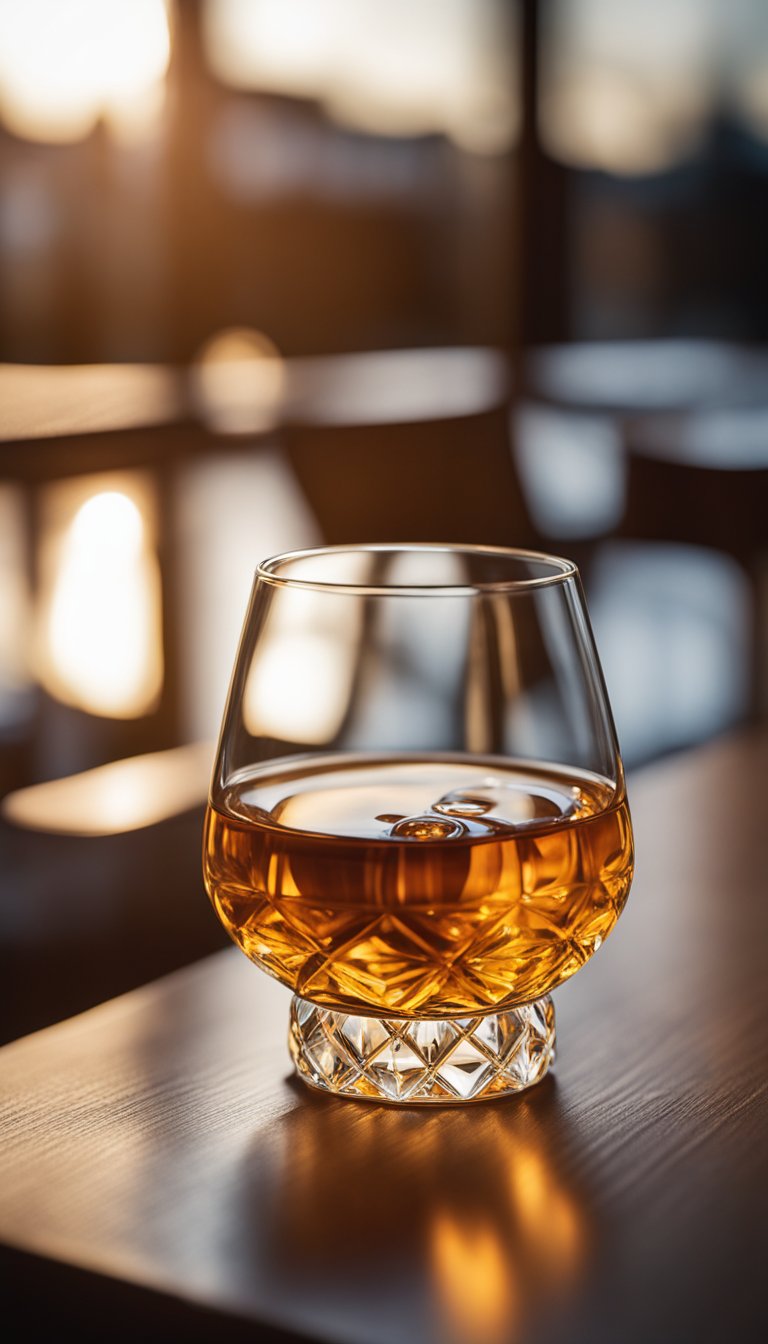
Non-alcoholic

Affirming Futures: The Global Effects of a Sustainable Alcohol-Free Spirit

In the previous articles in this series, we began a journey into the changing world of sustainable alcohol-free spirits that are part of the European Union (EU). We looked into the dedication to sustainability, the innovative strategies as well as notable EU brands that are leading their way in the direction of creating a more sustainable. Now, in this final installment, we widen our eyes to explore the global impact of a sustainable spirit that is alcohol-free and their impact on our future in the world of beverages.

A Worldwide Shift Towards Sustainability

A Global Phenomenon

Although the EU has been a leader in the production of sustainable alcohol-free spirits it is by far not restricted to its borders. From North America to Asia, distilleries and companies are realizing the importance of environmental responsibility and sustainability in spirits production.

Consumer Demand

One of the driving forces for this shift globally is the increasing demands from consumers to purchase sustainable and environmentally friendly products. Consumers today aren’t just searching for the highest quality of their drinks, but they also want sustainability. They want to make choices that align with their ideals and minimize their environmental impact.

Beyond Borders Brands Beyond Borders

Beyond the EU

In previous sections In the meantime, the EU has a number of well-known companies committed to sustainability. However, it is important to not overlook the influence of distilleries in other regions. Brands made in such as the United States, Canada, Australia and other Asian countries are creating waves in the environmentally sustainable alcohol-free spirits scene.

Unique Flavors and Techniques

What sets these global brands apart are their unique regional flavours and production methods. For example, American brands may draw their inspiration from local botanicals while Asian distilleries usually blend their products with spices and herbs from the past.

The Impact in the Spirits Industry

The collective efforts of distilleries as well as brands across the globe are having a major impact on the sector of spirits. Here’s how:

Awakening Change

The success and recognition in the market of sustainable alcohol-free liquor brands have been inspiring traditional distilleries beverage companies to reconsider their practices. In the process, we see an increasing number of industry leaders using sustainable methods and environmentally conscious production practices.

A Sustainable Future

Sustainability no longer a term, but rather an important idea for the industry’s future. From the reduction of carbon emissions to conserving the resources of water spirits producers are now embracing their responsibility to be stewards of the environment.

Final Thought: A Toast to Sustainability

In this series that we’ve been taking a deep look at the world of alcohol-free and sustainable spirits, from their origins and cutting-edge production techniques through to prominent EU and international brands. The journey has revealed the power of sustainability to transform in the world of spirits.

In raising our glasses to celebrate these amazing advancements in spirits, we recognize that the green revolution in spirits isn’t just a passing trend but a paradigm change. It’s the beginning of an eco-friendly, sustainable and eco-friendly future of the drinks we love to drink.

So regardless of whether you’re sipping one of the Seedlip cocktail while in London or sipping on a Rutte inspired creation in Amsterdam, or exploring the tropical flavor from CalenIfo Madrid Make sure that your choices contribute to a more green more sustainable and healthier planet.

Thank you for coming along to take this informative trip through the world of sustainably produced alcohol-free spirits. When we wrap up this series let’s carry the ethos of sustainability forward and continue to adopt responsible choices with the beverages we drink.


Series Recap: Series:


  1. The Rise of Sustainable Spirits from the EU that are Alcohol-Free Brands

  2. Sustainable, Alcohol-Free Spirits: A Global Perspective

  3. Innovative Production Methodologies for sustainable, alcohol-free Spirits

  4. Notable Brands within the sustainable alcohol-free spirit Movement

  5. Achieving the Future Global Impact of sustainable alcohol-free Spirits
Read More

The Aromhuset Zero Sugar India Tonic Concentrate Soda Syrup

In a world where health-conscious choices are becoming regular practice, discovering beverages which strike the right balance between taste and well-being has never been more important. This is where Aromhuset is able to help with their unique creation – it’s the Zero Sugar Indian Tonic Soda Syrup Concentrate. In this post we set out on an exploration to discover the delightful refreshment experience this syrup can provide and also the reason why it’s such a must-have addition to your beverage collection.

Discovering the Ultimate Refreshment Experience

As individuals, we’ve gone a long way away from eating sweet drinks that offer temporary satisfaction, but are often accompanied by hidden health costs. People are actively looking for alternatives that can provide both flavor and nutritional value. Aromhuset’s Indian Tonic soda syrup concentrate offers precisely what they want.

Aromhuset isn’t an ordinary brand in the sea of beverage options; it’s a name synonymous quality and innovation. Their dedication to making beverages that provide a better experience without the risk of harming your health is a distinct option for people who value what they consume.

Immerse yourself in the world of Aromhuset Zero Soda concentrate on Amazon UK and explore further by clicking here

The Significance Of the Indian Tonic Flavor

The core of this blog entry is the intriguing Indian Tonic flavor. Tonic water was initially known as a component of the traditional Gin and Tonic, has undergone a transformation under Aromhuset’s seasoned hands. What is the Indian Tonic Soda syrup concentrate draws inspiration from the wonders of botanicals in India to create a blend of aromatic spices and natural essences which dance on your palate.

As soon as you take your first sip one is met with the delicate subtly juniper-like undertones, the hint of citrus, as well as a bit of spices that create a beautiful symphony of tastes. In the event that you’re looking to enjoy an intimate moment of refreshment or whipping up some creative cocktails this syrup will give you distinctive charm that sets it apart.

Elevate Your Refreshment Game Today

Aromhuset’s commitment towards quality goes beyond the ingredients themselves. The Indian Tonic Soda Syrup Concentrate isn’t just a single-note delight, it’s an ideal partner for all occasions. From making mocktails that sparkle with class to concocting cocktails that unleash your inner mixologist The possibilities are endless.

If you’re sick of paying for ordinary refreshments that leave you looking for more, it’s the perfect time to embrace the extraordinary. The Indian Tonic Soda Concentrate by Aromhuset is more than a drink; it’s an invitation to experience a world of flavors, inspiration, and well-being. It is very very strong and very bitter. It is tested by using one-half of the dose.

As we dig deeper into the enthralling properties of this unique syrup, the next article will examine the zero-sugar revolution which is transforming the way we enjoy refreshments. But before we dive into that, let’s discuss the flaws in traditional drinks that are sweet and why it’s the right time to make an alteration.

Engaging in healthier Options Without sacrificing Taste

In a world brimming with tempting drinks that are sugary, the attempt to make healthier choices has taken on a prominent role. Traditional drinks laden with excessive sugar not only contribute to weight gain but also lead to numerous health issues over time. This is where Aromhuset’s Zero-Sugar Indian Tonic Sugar Syrup Concentrate stands out as a game changer by redefining the way we view refreshments.

The disadvantages of traditional sugary Beverages

The appealing appeal of sugary drinks can be hard to resist. But, the consumption of such drinks can have adverse consequences for our health. From causing diabetes and obesity to causing tooth decay. The excessive consumption of sugar can be linked to numerous health issues that are not to be ignored.

Traditional drinks that contain sweeteners and sodas frequently cause energy crash soon after consumption, which leaves people feeling exhausted and uneasy. Furthermore, the rapid rise followed by a drop into blood sugar levels may be a nightmare for your body’s metabolism.

sparkling

Why the Appeal of Zero-Sugar Alternatives

Amidst these concerns, the increasing popularity of alternatives that are sugar-free offers an appealing solution. Beverages that offer the same delicious taste but without the negative health effects are becoming more popular. Consumers are increasingly looking for alternatives that allow them to enjoy the flavors they love while being conscious about their health.

Aromhuset’s Zero Sugar Indian Tonic Soda Syrup Concentrate shows this new direction towards healthier options. If you choose to use the expensive sweetener sucralose, Aromhuset will ensure that you can indulge in your favorite beverages with ease. Sucralose, which is derived from sugar however 600 times sweeter has a sweet taste without weight gain or spikes in the blood sugar level.

The significance of using sugar to taste Sweetener

as the demand to consume healthier beverages grows, the importance sweeteners that taste like sugar cannot be overstated. Artificial sweeteners such as acesulfame or ispartame were once thought to be the answer to decreasing calories, are now under controversy due to possible health risks and the unfamiliar off-taste these products impart to beverages. Sucralose is a standout – it’s a sugar-based alternative which has a sweet taste similar to sugar but with longer aftertaste.

By incorporating sucralose into concentrated Indian Tonic, Aromhuset is able to strike the perfect blend of flavor and nutrients. This breakthrough lets you take in the flavor in tonic water while preserving your commitment to healthy choices.

If we continue to explore the fascinating environment of Aromhuset’s Indian Tonic Soda Syrup Concentrate, the next section will unravel the intricacies of the flavor profiling that distinguishes it from other brands. Let’s take a look at the unique blend of spice and botanicals that give each sip an experience to remember.

The next step is “Distinctive Taste Profile of Indian Tonic”.

Distinctive Indian Tonic Flavor Profile

Embarking on a journey of tasting and discovery, Aromhuset’s Zero Sugar Indian Tonic Soda Syrup Concentrate unveils a flavor profile which is truly unique. This segment invites you uncover the symphony of plant extracts and spices that produce the most extraordinary refreshing experience.

A Unique Blend of Spices and Botanicals

At the center of every exceptional beverage lies a carefully planned combination of components. The Indian Tonic Soda Syrup Concentrate gets its inspiration from the rich array of flavor profiles found in India’s botanical wonders. Aromhuset’s team, comprised of experts in flavor, have created a blend that captures the essence of this diverse and vibrant landscape.

Quinine has the spotlight which infuses the syrup distinctive bitter notes that are refreshing and aromatic. Undertones of citrus dance around in the mix, which enhances the overall vibrancy in the taste. As the symphony of tastes unfolds, subtle hints of spice swoop into the mix, creating intensity and complexity that will stay on your palate.

Versatility Beyond Expectations

What makes the Aromhuset Indian Tonic Soda Syrup Concentrate apart is its unbeatable versatility. While tonic is often thought of as mixers in cocktails, this syrup transcends these boundaries. It opens up a realm of possibilities where you can let your imagination run wild.

Aromhuset empowers you in the creation of a variety drinks that are tailored to your individual preferences. In the event that you’re looking for an uplifting mocktail that can lift your spirits or a refined cocktail that will impress your guests the Indian Soda Syrup Concentrate is the perfect background for your drinks’ artistic flair.

Convenience and personalization

The beauty of this syrup is beyond its extraordinary taste, but also in how much convenience it offers to your refreshments. Just by adding a few drops of the concentrate into sparkling water and you can enjoy a refreshing tonic experience whenever you want. Say goodbye to the need to purchase large bottles of pre-made tonic water and say hello potential to make your personal drink.

Additionally, the Indian Tonic Soda Syrup Concentrate allows you to determine the level of sweetness to match your taste preferences. Whether you prefer a bolder quinine flavor or prefer a more light mixture that’s more bubbly The ability to alter the flavor is in your control. Half-dose is the norm, as a bonus prices for the drink follows.

As we continue our exploration of the fascinating world of Aromhuset’s Indian Tonic Soda Concentrate the next chapter will show how this breakthrough transforms ordinary moments into extraordinary experiences. Begin exploring the creative cocktails and the art of mixology waiting to be discovered.

Next up: “Creative Cocktail Recipes as well as Mixology Magic”.

Mixology Recipes and Cocktails that are Creative. Recipes along with Mixology Magic

Prepare to elevate your refreshment experience to new heights as we explore the realm in the world of cocktails with a creative flair and the art of mixology and all heightened by the stunning Aromhuset Zero Sugar Indian Tonic Soda Syrup Concentrate. Get ready to be amazed by the ways this syrup can transform ordinary moments into extraordinary experiences.

Unleash Your Inner Mixologist

It’s gone are the days of mixing only took place within the confines of bars and lounges. With Aromhuset’s Indian Soda Syrup Concentrate, it gives you the potential to become the mixologist of your dreams, making cocktails that truly are a reflection of your personal taste and style.

Aromhuset not only offers you a wide array of flavors, but also multitude of options. You can host a cocktail party with a group of friends or just relaxing after an extended day, the Indian Tonic Soda Syrup Concentrate offers the canvas on which to draw your dream cocktails.

sodastream

Inspiring Mocktails and Cocktails

Let’s examine some fascinating recipes that showcase the flexibility of the Indian Tonic Soda Syrup Concentrate:

1. Sparkling Juniper Fizz (Mocktail)

  • Combine equal amounts of Indian Tonic Soda Syrup Concentrate and sparkling water.
  • A squeeze of fresh lemon juice. Also, add a sprig of rosemary.
  • Garnish with a lemon twist and a rosemary sprig.
  • Serve it over ice to make an invigorating mocktail that soothes the senses.

2. Gin and Tonic Mix (Cocktail)

  • In a shaker combine 2 oz of your favorite Gin, 1 oz India Tonic Syrup Concentrate, and Ice.
  • Shake well before straining into an iced glass.
  • Serve with sparkling water to create sparkling effervescence.
  • Add a slice cucumber and a dash of black pepper for a modern variation on the classic cocktail.

3. Tropical Tonic Sunrise (Mocktail or Cocktail)

  • Make sure to fill a glass with ice along with 1 oz of Indigo Tonic Sugar Syrup.
  • Slowly pour 2 oz orange juice to create an amazing sunrise effect.
  • Add sparkling water to the top and gently stir.
  • Garnish with a slice of orange and a maraschino cherry.

A Guide to the Joys of Experimentation

What truly makes Aromhuset’s Indian Tonic Soda Syrup Concentrate such an excellent friend is the joy of experimentation it gives. Mix and match ingredients, explore new flavor combinations and delight your taste buds with every sip. This syrup will inspire you to be creative, bold and unbelievably imaginative.

The transformation of ordinary moments into memorable experiences lies at the core of mixology. While sipping the intriguing cocktails made with the concentrate of Indian Tonic, the next section will delve into a special deal so that you do not miss an opportunity to take part in this remarkable beverage adventure.

Next up: “Exclusive Deal: How to Protect Aromhuset Indian Tonic Soda Syrup Concentrate” Aromhuset tonic syrup concentrate from India”.

How to Secure Your Aromhuset Indian Aromhuset Indian

The voyage through the universe of exquisite tastes and inventive beverages concludes with the final section of our journey – an exclusive offer that guarantees you’ll never miss the captivating Aromhuset Zero Sugar Indian Tonic Soda Syrup Concentrate. Don’t miss this chance to raise your drink game up to the next heights.

Elevate Your Beverage Experience

As you’ve discovered throughout this sequence of articles, Aromhuset Zero Sugar Indian Tonic Soda Concentrate isn’t merely a beverage; it’s an experience. It’s an exploration of the exciting flavors of botanicals and spices, an imaginative playground for those who love mixology, and an entry point to healthier refreshing options that don’t compromise on the taste.

With each sip you’re transported to a realm where flavors dance, creativity knows no limits, and wellness is at the top of the list. Innovation and passion Aromhuset contributes to making the syrup is evident in every aspect in everything from its unique blend of ingredients to the ability to be used in a variety of ways and its convenience.

An Exclusive Invitation

To ensure that you’re able participate in this fantastic reward, we’re ecstatic to offer a special invitation. There is a time limit for this offer, you’ll be able to purchase your own Aromhuset Indian tonic soda Syrup Concentrate. This will not only allow you to feel the magic for yourself but also presents an opportunity to share the excitement in the company of family and friends.

How to Ensure Your Syrup Concentrate is Secured

Making sure you have your Aromhuset Indian Intoxic Soda Syrup could be as easy as it is exciting:

  1. Aromhuset India Tonic Concentrate: is only avavilabe at Amazon UK and Amazon EU

  2. Select You Amazon: Go to your Amazon store in Europe

  3. Click to Checkout Proceed to the secure checkout process.

  4. Enjoy the Experience: Once your order is approved, expect the arrival of the syrup concentrate. Begin to unleash your imagination and enjoy the delicious flavors that are waiting to be discovered.

An Taste of Reviews and Testimonials

Still not convinced? Have a look at what others are saying in regards to the Indian Tonic Soda Syrup Concentrate:

  • “Absolutely overwhelmed by the depth of flavors. This syrup has transformed the way I consume my drinks.” – Grace R.
  • “Finally an option for tonic that meets my health goals without compromising on taste. Aromhuset I think you’ve got it!” – Michael S.
  • “The creativity this syrup inspires is unparalleled. From cocktails to mocktails it’s a game-changer.” Emily L. Emily L.

Conclusion: Elevate Your Refreshment Game Today!

After we have completed our voyage into the world of Aromhuset Zero-Sugar Indian Tonic Soda Syrup Concentrate We invite you to seize the opportunity in front of you. Up your refreshment game Rethink your approach to drinks, and make healthier choices that bring joy and flavor together.

From the revealing of the Indian Tonic flavor profile to the art of mixology and inventive recipes, this set of content has been a celebration of creativity, taste and health. We hope these thoughts have awakened your curiosity, and inspired you to embark on an adventure of self-refreshment excellence.

Don’t miss out on this offer that’s exclusive. Get your Aromhuset Indian Tonic Soda Syrup Concentrate right now and go on a refreshment trip that transcends the ordinary.

Thank you for joining us on this aromatic and flavorful journey!

Read More

Inquiring about the world of Alcohol-Free Spirits

In a world where health-conscious choices and mindful living have taken the lead the beverage industry is undergoing a remarkable transformation. Most intriguing and exciting trends in the world of drinks is the increase in alcohol-free spirits. These stunning elixirs come with all the flavours, complexity and sophistication of traditional spirits with out the alcohol content, making them an excellent choice of those who prefer a conscious and responsible method to enjoy their favorite cocktails.


What Are Alcohol-Free Spirits?

Alcohol-free spirits(also known as non-alcoholic spirits or zero-proof spirits, are a group made up of drinks formulated to mimic the taste and enjoyment of traditional alcoholic spirits like vodka, gin and whiskey, with none of the euphoric effects. They are made using the finest selection of herbs in the form of spices, herbs and fruits, just like their alcoholic counterparts but that is with minimal or no alcohol content.

These spirits have gained tremendous popularity due to their flexibility in preparing a wide array of alcohol-free cocktails. They are often called mocktails. They can also be enjoyed plain or in a cocktail, and mixed with various mix-ins with no alcohol to create sophisticated and refreshing drinks.


Why choose alcohol-free Spirits?

Health Benefits one of the primary reasons that people are opting for alcohol-free spirits is the multitude of health benefits they provide. They have almost none of calories and won’t cause weight gain. Additionally, they reduce the risks associated with excessive alcohol consumption, such as addiction, liver damage and impaired cognitive functioning.

Social and Environmental Considerations: The shift towards drinks that are alcohol free isn’t just about personal wellness, it also can be a part of broader social and environmental concerns. By opting for alcohol-free choices, individuals reduce their carbon footprint and support sustainable and ethical production practices.

The trend towards mindful drinking: In an era of conscious living and mindfulness the alcohol-free spirit is a perfect match for the trend toward mindful drinking. Many people are looking for harmony and moderation in the course of their lives, and these spirits provide a way to enjoy mixing and cocktail culture without having to worry about the negatives of alcohol.


The Exuberance of EU and UK Markets

The increasing demand for alcohol-free drinks continues to expand throughout the world, the European Union (EU) and the United Kingdom (UK) have developed into exciting hubs for the booming industry. The markets of these regions have seen an explosion in the field of innovation, and an array of new and well-known brands competing for the attention of highly discerning customers.

The EU and UK markets of alcohol-free spirits, are characterized by their diverse and dynamic nature. From classic juniper and alcohol-free gins to botanical-infused vodkas, non-alcoholic vodkas and spiced alcohol-free rums, there’s something for all. The variety of tastes and choices across these locations is a illustration of the increasing demand of spirits that are alcohol-free.

In the next section, we’ll get deeper into this world of spirit that is alcohol-free. We’ll explore the most popular brands and varieties that have captured the attention of consumers. Begin your journey to a flavor-filled journey that will alter your view of alcohol-free drinks.

Non-alcoholic

Exploring the world of Alcohol-Free Gin: a world of Flavor Without the Alcohol

Once we’ve set our scene by introducing the world of alcohol-free spirits, it’s time to investigate one of the most loved and popular categories which is alcohol-free gin. Gin is well-known as a botanically complex drink with flexibility in cocktails, has transformed into an alcohol-free market, offering a wide array of flavor and potential which entice the senses with no the requirement of a designated driver. Let’s have a look at the amazing world of alcohol-free gin.


Uncovering the Secrets of Gin without alcohol

Alcohol-Free Gin: What’s It? Alcohol-free gin, commonly called non-alcoholic zero-proof gin, botanical-infused spirit, is a unique design that captures a lot of the flavor of traditional gin without alcohol content. Concocted with a blend botanicals in addition to spices, herbs along with other natural components, they recreate the familiar style of juniper-forward gin that enthusiasts are awestruck by.

The Botanical Symphony: The flavor of gin’s magic lies in its botanical blend which is why alcohol-free versions of gin are not an exception. Although traditional gin is typically made up of coriander, juniper, citrus peels, and many other herbs and spices the non-alcoholic versions choose as well as blend botanicals into an harmonious symphony.

Zero Alcohol Zero Calories One of the most significant advantages of gin without alcohol is its non-calorie nature. This makes it a great choice for those concerned about their calorie intake and health-conscious consumers who want the distinct taste in gin without those negative effects that come with alcohol.


EU and UK Description: Gin Lover’s Paradise

When it comes to spirit that is alcohol-free, EU and UK markets offer the perfect source of alternatives and innovations. Gin is a product with a long-standing history in these regions, has seamlessly adapted to the world of spirits that are alcohol-free.

The Leading Brands Many of the pioneering manufacturers located in the EU and UK have made major strides to create exceptional alcohol-free, gin. They draw inspiration from the rich tradition of gin in these regions while testing the boundaries of flavors.

Botanical Variety: Botanical Variety: EU and UK markets provide a wide range of alcohol-free gins, each with a distinct botanical blend. From traditional London Dry-style alcohol-free gins to contemporary versions featuring exotic botanicals, the possibilities are limitless.

Quality and Craftsmanship: Quality and craftmanship will remain vital in the production process of alcohol-free gin within these regions. A lot of distilleries use traditional distillation techniques and choose top quality botanicals in order to deliver an exceptional drinking experience.

In the next segment, we’ll examine some of top alcohol-free vodka brands from both EU and UK, allowing you to go on a delicious journey that isn’t limited to borders. Prepare to explore the amazing juniper-infused flavors that await your taste buds.

Wholesale Redefined: Get Your Alcohol-Free Spirits Direct from Swedish Distillers!

The Best Gin Brands Alcohol-Free in EU and UK

As we continue our trek through the enthralling world of spirits that are alcohol-free, it’s the perfect time to showcase some of the most exceptional brands that have achieved their success in the EU as well as UK markets. These brands have elevated the art of making alcohol-free spirits to new heights, making a delicious array of varieties that please everyone’s palate. Explore the best brands of alcohol-free gin in both the EU as well as the UK.

1. Seedlip

Blending Botanical Excellence Seedlip popularly credited by many as a pioneer of the world of alcohol-free spirits offers a variety alcohol-free Gins that embody the best of botanical excellence. Their botanical blends like Seedlip Garden 108 and Seedlip Spice 94 which have garnered appreciation for their unique flavors.

Signature Serving: You can try your hand at a Seedlip Garden 108 with tonic water and garnish with a few fresh peas and enjoy a refreshing delicious taste.

2. Ceder’s

Inspired by Nature: Ceder’s is one of the brands that draw inspiration from the unspoiled beauty of South Africa’s Cederberg Mountains. Their alcohol-free gins like the Ceder’s Crisp and Ceder’s Wild, incorporate unusual South African and Swedish botanicals for a unique taste.

Signature Drink: Sip Ceder’s Wild mixed with tonic waters, a slice of lemon, and a little bit of rosemary for a tasting of the wild.

3. Borrago

Vibrant Flavors: Borrago is well-known for its vibrant and engaging alcohol-free gin alternatives. Borrago #47 Paloma Mix and Borrago #47 Jasmine & Lime offer a taste that is ideal for making sophisticated cocktails.

Signature Serving: Create a Borrago Paloma Blend beverage by mixing in pink grapefruit juice, lime, and a pinch of sugar syrup made from agave.

4. Ritual Zero Proof

Classic Reimagined: Ritual Zero Proof is a blend of classic gin aromas and reimagines them in a non-alcoholic form. Their gin without alcohol is a great alternative to bring the juniper-forward flavor to the front, which makes it a great choice for gin drinkers.

Signature Serve: Invent a traditional Gin and Tonic without alcohol by using the Ritual Zero Proof, tonic water, and a slice of lime.

5. Everleaf

The Complex Botanicals: Everleaf, although not solely an alcohol-free brand of gin is a refreshing aperitif with distinct botanical flavors. Their complex blend of botanicals including vanilla and saffron provides a unique alternative to those who want a greater depth of flavor.

Signature Drink: Savor Everleaf mixed with the addition of ice, tonic water and a smooch of orange peel for an elegant aperitif.

6. Stryyk

Triple Distilled: Stryyk is known for its triple-distilled and alcohol-free spirits, which include Not Gin. This brand creates Gin that is alcohol-free with traditional botanicals like juniper and coriander, to provide a real Gin experience.

Signature Service: Mix Stryyk Not Gin with elderflower tonic and cut slices of cucumber to create a crisp and refreshing drink.

The gin companies that are alcohol-free across the EU and UK have revolutionized the drinking experience, providing sophisticated and flavorful alternatives for those seeking to taste the spirit of gin, but without the alcohol. In the following section we’ll look at some intriguing cocktails that highlight how versatile alcohol-free gin can be. It’s time to step up your mixology game by making the exquisite blends.

nonalcoholic

Making the Perfect Alcohol-Free Gin Cocktails

In our exploration of the fascinating world of alcohol-free gin we’ve found some amazing brands and explored the extensive background of the gin. Now is the time to be creative and master the art of mixology by crafting exquisite alcohol-free gin cocktails. Whether you’re a seasoned bartender or a novice These cocktails will improve the quality of your drink. Let’s get a little agitated!

This is Classic Alcohol-Free Gin and Tonic


Ingredients:

  • 50ml of your alcohol-free favorite gin
  • Premium tonic 150ml
  • Ice cubes
  • A slice of lemon or lime to garnish


Instructions:

  1. The glass should be filled with the ice cubes.
  2. Pour 50ml alcohol-free gin onto the ice.
  3. Fill up with 150ml high-end tonic water.
  4. Combine gently.
  5. Garnish with a slice lime or lemon.
  6. Get your classic gin and tonic!

Alcohol-Free Gin Fizz


Ingredients:

  • 60ml of alcohol-free gin
  • The juice is freshly squeezed and 30ml in size.
  • 15ml simple syrup (equal parts sugar and water)
  • Soda water
  • Ice cubes
  • Lemon twist to garnish


Instructions:

  1. The shaker should be filled with ice cubes.
  2. Add 60ml alcohol-free gin, 30ml of fresh squeezed lemon juice, along with 15ml of basic syrup into the shaker.
  3. Shake vigorously until chilled.
  4. Strain the mixture into a chilled glass topped with ice.
  5. Refresh with soda water.
  6. Garnish with a lemon twist.
  7. Enjoy a glass of refreshing, alcohol-free Gin Fizz!

Berry Bliss Alcohol-Free Gin Smash


Ingredients:

  • 50ml of alcohol-free Gin
  • A few mix berries that are fresh and in season (strawberries blueberries, strawberries, raspberries)
  • 10ml honey or syrup of agave
  • 20ml fresh squeezed lime juice
  • Ice cubes
  • Fresh mint leaves for garnish


Instructions:

  1. In a shaker for cocktails, combine the berries in a cocktail shaker with Honey or Agave syrup.
  2. Add 50ml of alcohol-free gin as well as 20ml of freshly squeezed lime juice into the shaker.
  3. Fill the shakers with ice cubes. shake vigorously.
  4. Then strain the mixture into rock glasses topped with frozen.
  5. Fresh mint leaves.
  6. Sip and revel in the delicious Berry Bliss Alcohol-Free Gin Smash!

Cucumber Cooler with Alcohol-Free Gin


Ingredients:

  • 50ml of alcohol-free gin
  • three to four cucumbers
  • The juice is freshly squeezed and 20mL fresh.
  • 10ml simple syrup
  • Soda water
  • Ice cubes
  • Thin cucumber slices for garnish


Instructions:

  1. With a shaker for cocktails, smash the cucumber slices together with lemon juice and simple syrup.
  2. Add 50ml of alcohol free gin to the shaker.
  3. The shaker should be filled with ice cubes, then shake well.
  4. Strain the mixture into a highball glass topped with ice.
  5. Drink soda water to refresh.
  6. Garnish with thin cucumber slices.
  7. Get a refreshing and crisp taste with the Cucumber Cooler!

The Next Frontier in Alcohol-Free Gin Cocktails

These alcohol-free gin cocktails are only the first step in your mixology journey. With a broad selection of alcohol-free Gin brands and a plethora of botanicals at your access, there’s no limits for the ideas you can infuse into your cocktails.

In the next section we’ll be looking at innovative ways to incorporate alcohol-free gin into culinary delights which makes it an incredibly versatile ingredient to use in your kitchen. Get ready for a feast for the taste buds of people with these delicious dishes!

Unleashing the potential of alcohol-free Spirits A Recap of Our Journey

As we come to the end of our fascinating journey through spirits that are alcohol-free, it’s the perfect time to think about the insights and inspiration we’ve gathered in the process. The final part of our series we’ll stop to recap the valuable insights we’ve discovered in each of the five articles, and we’ll take away a feeling of confidence in exploring this fascinating world further.


Article 1: The Rise of Alcohol-Free Spirits

In our initial article, we embarked on our journey by examining the explosive growth of alcohol-free spirits. We discovered the driving factors that are behind this trend, from conscious consumers to the most innovative distillers. The most important takeaways from this article include:

  • The ever-growing demand for alternatives to alcohol that are non-alcoholic.
  • The role of health awareness and consumer awareness.
  • Why distillers must have dedication towards making genuine alcohol-free spirits.


Article 2: The World of Gin Alcohol-Free

The second article dug deep into the spirit of gin without alcohol, which has seen remarkable growth and innovation. We explored the complex blended botanicals, the history of gin as well as different brands making an impact. In this article, the key findings include:

  • The natural, botanically-rich character of alcohol-free Gin.
  • The historical significance and evolution of Gin’s significance in the past and its development.
  • A spotlight on pioneering spirits that are alcohol-free.


Article 3: Creating the Perfect Alcohol-Free Gin Cocktails

For our third and final session, we took on the art of mixology, and learnt how to make incredible alcohol-free gin cocktails. From traditional gin and tonic to creative concoctions, we explored the different flavors. Important highlights include:

  • Recipes for classic, as well as ingenuous alcohol-free gin cocktails.
  • Techniques for mixing and garnishing.
  • Enjoying these delicious confections.


Article 4 Gin without alcohol as part of Culinary Delights

The fourth article took us on a gastronomic tour, showcasing the many uses of alcohol-free gin to use as a ingredient in a variety culinary dishes as well as desserts. We learned about the exciting combinations of flavors and imaginative use of this spirits in the kitchen. Notable takeaways include:

  • Culinary applications of alcohol-free gin.
  • The magic of pairing the flavors of botanicals and food.
  • Recipes that excite the taste buds.


Article 5: Unlocking Potential for Alcohol Free Spirits

In this final installment, we’ve explored the vast array of alcohol-free spirits and gathered knowledge that will allow us to investigate this area further. We’ve explored the possibilities and got inspired by the world of mixology and culinary arts. Our journey has been filled with delight and discovery, as well as the excitement is just beginning.


Conclusion: Cheers to the Future

As we celebration of the future for alcohol-free spirits. Let’s be grateful for the amazing journey we’ve taken. With the rise of non-alcoholic alternatives, the intricate world of alcohol-free spirits, the technique of mixology, and the culinary whimsy have all brought joy to our lives.

The possibilities of alcohol-free spirits are endless and with every glass, every creation, and every new discovery we look forward to a world where conscious and enjoyable drinking is available to all.

Thank you for joining us for this unique journey. We hope you’ll continue to explore, experiment and indulge in the world in alcohol-free drinks. Let’s look forward to a healthier, more conscious, and infinitely flavorful future!

Read More

Uncoding EU Regulations on Non-Alcoholic Beverages A Must-Read Guide for The Compliance

In the area of drinking and eating, compliance with rules is not just legally binding, it’s an essential aspect of consumer confidence and security. A key aspect of this is that the European Union (EU), popular for its stringent regulations and strict rules, puts a lot of emphasis on ensuring non-alcoholic beverages comply with the highest standards of safety and quality. This article, the first in our series, attempts to understand the intricacies of EU rules that regulate non-alcoholic beverages.


Comprehending the EU Framework


Summary of EU Regulatory Organisations

The heart of EU laws governing non-alcoholic alcohol are various key regulatory bodies that each play a key part in ensuring that the those products that are on the market are in the best interest of consumers.

1. The European Commission: Often considered as the executive branch of EU in general, the European Commission takes charge of creating legislation and making implementing decisions. In the case of the regulation of food and drinks, the Commission is a key player in establishing the rules and regulations within the rules for non-alcoholic beverages.

2. EFSA (European Food Safety Authority ):• This independent agency offers advice based on science regarding foods and feed safety to authorities of EU institutions. The expertise of EFSA is vital in reviewing the safety of ingredients and the additives that are used in non-alcoholic beverages.

3. National Authorities In addition to the EU’s regulations, individual states of the EU may have specific regulations. National authorities oversee compliance with EU regulations at the local level.


Legal Framework

Understanding EU rules on alcohol-free beverages will require a knowledge of the legal framework which governs these regulations. The EU has two major types of legislation that include directives as well as regulations.

EU Regulations: They apply directly throughout the entire member state and don’t require separate national laws. Once an EU regulation is approved by the EU, it becomes lawful in all member states simultaneously.

EU Directives: Directives, on the other hand, spell out the objectives that member states must achieve. It’s then up to each state member to adopt its laws that comply with the directive.

The interplay between EU regulations and member state laws can often be complex, and requires businesses to understand both global EU rules and specific national laws.

Understanding this structure of regulation is the first step toward ensuring compliance with EU requirements for non-alcoholic beverage.

In the next part, we will delve into some specific elements of EU regulations, particularly specific labeling and ingredient requirements which are essential for businesses in the beverage industry.


Stay tuned to learn about the intricacies of labeling and ingredient regulation in the EU for non-alcoholic beverages.

alcoholfree

How to navigate EU Regulations: Labeling and Ingredient Requirements on Non-Alcoholic Drinks

In the prior section we set out on a journey to unravel the complex web of EU regulations that govern non-alcoholic beverages. Let’s get into the specifics. We will be focusing on labeling requirements and ingredient requirementsaEUR”a vital area of compliance of businesses working in the drink industry.


Guideline for Labeling


Clarity and Transparency

EU regulations are strict regarding the labeling of non-alcoholic beverages. The aim is to ensure that consumers get the most accurate and complete information about the products they purchase. Here are the main aspects of the guidelines for labeling:

1. Name of the Beverage The name should clearly reflect the nature of the product. Untrue names that might confuse consumers are completely prohibited.

2. Ingredients List: Alcohol-free beverages are required to provide a list ingredients including each ingredient in order of weight, descending.

3. The information on allergens: If the drink includes any of 14 allergens listed by EU Regulations (e.g., nuts, milk, gluten) These allergens must be clearly noted in the list of ingredients.

4. Net Quantity: the amount of the beverage must be expressed in liters milliliters, centiliters, kilograms grams, milligrams or kilograms in relation to the beverage.

5. Best Before/Use-By Dates: Non-alcoholic beverages that have a shelf life of less than 18 months must have an “use before” date. Those with a longer shelf life should show an “best before” date.


Nutrition Declaration

Recent years have seen EU regulations have made it compulsory for non-alcoholic beverages that provide nutritional information per 100ml the beverage. This includes information about energy value and the quantity of fat, saturates, carbohydrates, sugars proteins, salt, and fat.


Ingredient Requirements


Use of Additives

EU rules regulate strictly the inclusion of additives in non-alcoholic beverages. They must be approved as safe for consumption and serve a technological purpose (e.g., colorants, preservatives and sweeteners).


Natural Mineral Waters

When it comes to beverages that are labeled “natural mineral water,” EU regulations are particularly strenuous. These waters must originate from approved sources and fulfill specific criteria regarding mineral content as well as purity.


Fruit Juices and Nectars

If a non-alcoholic drink contains nectars or juices made from fruit, it should be in line with the defined standards of fruit content. For example, nectars made from fruit are required to contain at the least 25 percent fruit content.


Sweeteners

The use of sweeteners must be controlled to ensure safety and protect the consumer’s interests. Labels must clearly identify the presence of sweeteners.


What’s Next?

As we’ve observed, EU regulations on labeling and the requirements for ingredient use in non-alcoholic beverages are comprehensive that are designed to protect the consumer’s interests. Becoming familiar with and adhering to these regulations is crucial to companies working in this area.

In the coming section, we’ll delve into the safety and quality standards as we explore how EU standards ensure alcohol-free drinks are in line with the highest standards of quality. Join us on this journey to unravel the complexities of EU regulations more.


Keep following us to discover the world of safety and quality standards defined by EU regulations for non-alcoholic beverages.

Lead with Quality: Secure Your Direct Order of Premium Non-Alcoholic Spirits from Swedish Distillers!

Security and Quality Standards Assuring top-quality non-alcoholic beverages in the EU

In our search for answers to the maze of EU regulations pertaining to non-alcoholic drinks we’ve learned vital details concerning labeling requirements and ingredient specifications. Now, let’s continue our exploration by delving into the world of quality and safety standardsaEUR”critical aspects that uphold the integrity of these beverages in the European market.


Quality Standards


Water Quality

The water is the primary ingredient in many non-alcoholic drinks Quality is crucial. EU rules require that drinks made with water must meet stringent quality standards. This ensures that the water’s source, treatment as well as its transportation do not compromise the drink’s quality or safety.


Natural Mineral Waters

for beverages that are marketed as “natural mineral water,” EU regulations are particularly meticulous. These waters have to be obtained from recognized sources and meet rigorous requirements in terms of mineral content and purity. Natural mineral waters are famous as pure and have a distinctive mineral composition. This makes their use a major benefit to the non-alcoholic beverage industry.


Fruit Juice Purity

For drinks that contain fruit juices In drinks that contain fruit juices EU has specific fruit content guidelines. For example, fruit nectars require a minimum percentage of fruit-based content to ensure an authentic beverage with high-quality.


Hygiene and Practices for Production

Infection prevention and hygiene at every step of the manufacturing process is essential. EU regulations mandate that all businesses involved in beverage production adhere to strict safety and hygiene standards to avoid foodborne contamination as well as ensure safety.


Safety Standards


Microbiological Criteria

Microbiological security is a fundamental element of the production of non-alcoholic beverages. EU rules establish microbiological requirements to ensure that beverages are free of harmful microorganisms which could cause consumer health risks.


Contaminant Limits

To ensure consumers’ health, EU regulations define maximum limits for various contaminants in non-alcoholic drinks. These contaminants include heavy metals, mycotoxins, and pesticide residues. In-depth monitoring and testing methods are in place to ensure that they are in compliance with these standards.


Enhancement Safety

Additives used in non-alcoholic beverages have to be thoroughly assessed to ensure their safety. EU regulations require thorough studies and risk assessments before additives are permitted for use. This makes sure that consumers are not exposed to risky products.


the Role of Quality Control

Quality control plays an integral responsibility in ensuring non-alcoholic drinks meet the highest standards in terms of quality and safety. Manufacturers are accountable to implement strict quality control measures, from the initial source of raw materials to the final stages of production.


What’s Next?

Quality and safety standards are the foundations on which the image of non-alcoholic beverages is built in the EU market. In our next chapter we’ll go over the intricate world of marketing and packaging regulations, as well as shedding light on how these factors contribute to the overall environment of compliance.


Keep an eye on us as we enter the realm of packaging and marketing regulations, which are essential to EU compliance for alcohol-free beverages.

pina

Packaging and Marketing How to navigate the EU Regulations for Non-Alcoholic Beverages

As we continue our journey through the intricacies of EU regulations governing non-alcoholic beverages, we find ourselves at a crossroadsaEUR”packaging and marketing. These aspects are vital not only to ensure compliance but also to attract the consumer’s attention in a competitive market. We will explore the world of marketing and packaging regulations within the European Union.


Packing Regulations


Material Safety

The EU is determined to ensure that the products used to package beverages do not contaminate the contents. Manufacturers must follow strict standards for materials such as glass, plastics, and even metals. This guarantees that the packaging will not alter the taste or composition of the drink.


Green and Renewable

Environmental sustainability is a rising issue and the EU is a proponent of eco-friendly packaging. Regulations are designed to reduce garbage and encourage recycling through setting goals for the use of recyclable packaging materials and reduction of waste from packaging.


Preparation and Labeling

The labeling process is a key element of packaging. EU regulations demand specific and precise information on labels, such as the item’s name, ingredients including nutritional information as well as allergen declarations. These labels assist consumers in making informed choices and ensure transparency.


Marketing Regulations


True Advertising

Non-alcoholic drinks that are promoted in the EU should adhere to a set of principles of accuracy and truthfulness. Any claims that are made in advertising for health claims, like those about or ingredients’ benefits, have to be proven by scientific evidence.


Security of Minors

Given the potential appeal of non-alcoholic beverages to minors marketing efforts need to avoid focusing on these consumers. The EU imposes strict rules to prevent advertising that may influence consumption among minors.


Alcohol Imitation

Non-alcoholic beverages should not have the appearance or packaging of alcohol-based beverages. This helps avoid confusion for consumers as well as ensures that the marketing of these drinks remains clear and clear.


Challenges and Innovations

Navigating packaging and marketing regulations can be daunting, but they also present opportunities for innovation. Many companies are moving towards green packaging materials that match both the regulatory requirements and the consumer’s preference for eco-friendly options. Innovative marketing strategies that place emphasis on health benefits as well as unique flavors are getting more popular on the EU market.


What’s Next?

Our investigation of EU regulations for beverages that are not alcoholic would not be complete without addressing the important aspect of ensuring compliance with these laws. In the next section, you’ll delve deep into strategies and guidelines that can help businesses comply with European Union’s strict standards.


Keep watching as we discover the secrets to comply with EU standards for non-alcoholic beverages.

The process of navigating EU Regulations for Non-Alcoholic Beverages: A Complete Guide

We’re pleased to present the 5th and final part of the comprehensive manual on finding your way through EU regulations governing alcohol-free drinks. Through this series we’ve examined the intricate web of rules governing the production of safety, labeling, and marketing of non-alcoholic beverages within the European Union. In this concluding piece we’ll give a summary of the most important points from each section, and offer concluding thoughts about the challenges and opportunities that lie ahead in this heavily regulated industry.


The Recap Our Journey


Part 1: Production Standards

In the very first article, we explored the production guidelines established by the EU for non-alcoholic drinks. Principal takeaways included:

  • Stringent hygiene and safety standards for manufacturing establishments.
  • Guidelines for ingredient selection and quality.
  • It is important to meet maximum residue levels of Pesticides and contaminants.
  • How adhering in accordance with Good Manufacturing Practices (GMP) is important.


Section 2 The Nutritional Information and Labeling

In our second article, we talked about the importance precise labeling and nutritional information. Highlights include:

  • Labeling that is accurate and clear including ingredient lists food information, and declarations of allergens.
  • The importance of being truthful in advertising and the need for credible scientific evidence to support assertions.
  • The prohibition of misrepresenting consumers’ needs through false statements.


3. Safety and Quality Assurance

Our third article was devoted to safety and quality assurance. Highlights of the article:

  • Safety standards that are stringent to avoid contamination and make sure that non-alcoholic beverages are safe. beverages.
  • The importance that Hazard Analysis and Critical Control Points (HACCP) in the protection of food safety.
  • Monitoring and traceability in order to swiftly find and resolve safety concerns.


Section 4: Packaging and Marketing

In the fourth piece We looked at the regulation related to packaging and marketing:

  • Material safety standards for packaging materials in order to avoid contamination.
  • Emphasis on recycling and sustainability in packaging.
  • Guidelines to ensure truthful advertising protecting minors and preventing alcohol imitation.


Challenges and Opportunities

As we finish our walk through EU regulations for non-alcoholic beverages it’s apparent that this sector has both challenges and opportunities. The biggest challenge is navigating the complicated regulatory landscape as well as ensuring compliance and accommodating changing consumer demands for green and healthy choices.

There are, however, significant potential opportunities for companies that take on these issues:

  • Innovative: Developing eco-friendly packaging and marketing strategies that stress health benefits could set you aside in the market.

  • Transparency: Conforming to labeling requirements and regulations governing advertising does not only guarantee compliance, but also builds confidence.

  • Security: Safety and Quality assurance will protect your brand’s reputation as well as protect consumers.


Conclusion

In this series, we’ve journeyed through the many facets of EU regulations for non-alcoholic drinks. From production standards to packaging marketing, safety, and even packaging conformity is the key to survival in this industry.

As you navigate through these regulations ensure that you are aware of the fact that they are put in place to protect consumers and to ensure the highest quality standards. Make sure you embrace sustainability, innovation, and transparency to excel in the competitive EU marketplace for alcohol-free beverages.

We thank you for taking us on this educational journey. We hope you’ve gained valuable knowledge about the regulatory landscape of non-alcoholic alcohol in the EU.


This is a recap of ALL Articles in This Series


  • Section 1: Production Standards

  • Section 2: Labeling and Nutritional Information

  • Chapter 3: Safety and Quality Assurance

  • Section 4: Marketing and Packaging


Continue on your way to success in the non-alcoholic beverage sector, and always stay updated on the most current EU rules and regulations.

Read More

Aromhuset’s Zero Sugar Lemon Lime: Does it Rank as a Top Selection?

Imagine the joy of crafting your very delicious fizzy drinks at home! We have recently sampled the Aromhuset Zero Lemon-Lime Soda Syrup, and it’s an amazing experience for soft drink consumers. By swirling this highly concentrated syrup mixed with sparkling water, we whipped up an instant zero sugar lemon-lime drink that delighted our taste and taste buds.

The beauty of Aromhuset’s syrup lies in its simplicity. It effortlessly jazzes up your carbonated drink with its rich aroma and delightful flavor, without the guilt of calories. The syrup, which is sugar-free and made sweetened with Sucralose, makes it a fantastic choice for those trying to limit their intake of sugar or following a specific diet. We were also thrilled by its versatility, since it adds a burst of flavour to not just beverages as well as food items such as desserts and ice cream as well. The value-for-money is quite unrivalled – a single bottle can produce an astounding 12.5 tons of soda!

Bottom Line

For anyone looking to cut down on sugar but still enjoy the taste Aromhuset’s Zero lemon-lime Soda Syrup is a great choice. It’s quick, inexpensive, and delicious.

Find you can get Zero Sugar Lemon Lime Soda Syrup Concentrate

Recently, we’ve threw alternative healthier drinks to our favorite soft drinks, and then we discovered Aromhuset’s Zero Sugar Lemon Lime flavour. It proved to be a delightful way to whip up a homemade fizzy drink that doesn’t skimp on the fresh taste we like. The entire process is a breeze – we just had to mix 40ml of syrup in 1 liter in sparkling water. And voila it was a refreshing drink waiting to be enjoyed.

It’s remarkable that this syrup is sugar-free. It’s a good choice for our vegan friends as well as people who are watching their sugar intake. The addition of Sucralose allows the calorie count to remain in check without losing the sweet lemon-lime flavor.

The flavour doesn’t end in beverages. It’s quite the versatile addition our cupboards. We’ve added it to desserts, like ice cream and even to homemade lip balms for taste.

Despite a few of us finding the taste slightly different from the typical diet sodas it’s loved for its unique tangy citrus taste. However, a few people felt that the taste wasn’t quite up to the target, in the overall, we reckon it’s a ideal choice for those who want to have a sugar-free drink. Additionally, each bottle produces an amazing 12.5 litres of beverages and is an excellent value in terms of price.

Remember, the secret of the recipe is – adjust the amount of syrup according to your personal preference, and you might be very pleasantly as we were!

EU-wide

Easy Drink-Making at Home

We’ve all experienced those times when a drink that is fizzy would make you feel better and with the Aromhuset’s flavor concentrate, seeking a refreshing beverage is an opportunity to play with a bit of fun and mixology at home. Imagine turning carbonated tap water into a delicious low-sugar lemon-lime drink. Just swirl 40ml this syrup’s potent taste into a 1.5 litre of bubbly-water, and just like that, you’re treated with a refreshing drink which delights the taste buds without adding extra calories.

What we love is that it’s a guilt-free mixture. It’s got a delicious sweetness that fills us up without the sugar – a dream in our quest to cut down on our calories intake! When we’re feeling adventurous, it doubles in the form of a zesty cocktail mix invigorating our drinks of the evening.

There’s also a negative side that you must be able to achieve the ratio of water-to-syrup. It’s not difficult to overdo it, and end in a drink that is a bit too intense. Some of us found the flavor to be somewhat artificial when you go too far. When it’s at the right level it’s remarkably similar to those of major brands. It’s astounding how such small bottles can let to make a massive 12.5 litres of fizzy goodness. The bottle can stretch to far more than massive soda stream costs.

In essence, it’s the simple pleasures and the simplicity that wins us over with Anromhuset’s lemon-lime syrup. Our drinks made at home haven’t been this easy and satisfying!

Zero-Calorie Joy for Those Mindful of Health

Just discovered a product that allows you to enjoy sparkling drinks with none of the guilt of calories! Aromhuset’s Zero sugar Lemon Lime Soda Syrup is a delight for anyone looking to lower their sugar intake while still enjoying a sweet and refreshing drink. We tasted it and the lemon-lime flavors exploded with an apricot-like tang. it was astonishing, especially considering it’s entirely sugar-free!

The company recommends mixing 40ml of the syrup into 1 L of sparkling, but we’ve found that using a little less provides a rich flavor. The syrup isn’t only for drinks. It’s versatile, and it can add flavor to desserts as well as other items with a guilt-free, zing to our culinary creations.

However, although the taste generally resembles traditional sugary sodas, certain palates might find the sweetener’s taste quite different. Also, let’s face it: while they’re cost-effective over the long over time, the price may be a little steep in comparison to the cost of soda concentrates in the traditional way.

Overall the syrup is satisfying our desire for soda, while not causing any disruption to our sugar-conscious lifestyle And with plenty of the syrup has been bubbling away glasses of pleasure for weeks now!

Soda Nirvana Found! Click here and let Amazon EU and UK guide you to the promised land of Aromhuset Zero Soda concentrate—your guilt-free oasis!

Variable Syrup to Serve Multiple Applications

We recently sampled Aromhuset’s Zero lemon-lime syrup and we were pleasantly surprised by its potential. Imagine whipping up refreshing soda in your own kitchen or even adding a vibrant twist on your ice cream quickly – this syrup can be used for everything. It’s extremely enjoyable for those of us conscious about sugar intake, and be assured that the taste does not disappoint, despite being sugar free. Although we were a bit skeptical at first about the flavour intensity of a sugar-free option, we were surprised by its rich, natural lemonlime taste.

It’s impossible not to be impressed by the ease of creating something tasty by mixing that with bubbly water. Beyond drinks, this syrup has proved to be a boon in our homemade recipes, from delicious lemon-lime jams to refreshing frozen desserts. In a bottle of the syrup containing up 12.5 millilitres, we were satisfied with our worth. Although the syrup is very tasty but make sure you mix it thoroughly to prevent any clumps of flavour. Overall, the product is a must in our pantry for both the drinks as well as culinary adventures!

Positives and Negatives

Pluses

We’ve had the pleasure of making a few experiments with Aromhuset’s Zero Lemon-Lime Soda Syrup. There’s plenty to get enthusiastic about. First off, the ease creation of your own drink is simply amazing. Just 40ml of syrup and you’ve transformed plain carbonated drinking water into a refreshing drink. It’s vegan and diabetic-friendly, which we consider to be a huge plus for those who are mindful of their intake of sugar. The flavor is superb This syrup isn’t as famous as the big-name brands but quite close, especially for a sugar-free option. The flexibility of this syrup is another huge success, and we’ve added it to ice creams or to lip balms for an added punch of zing. Last but not least, value for money for this syrup is impressive; a single bottle makes 12.5 Liters of drinks which means that our fizzy drink collection is well-stocked.

Disadvantages

However, while most of us were satisfied by the flavor, some discovered an artificial aftertaste and it wasn’t to everyone’s liking. Also, it’s crucial to find the mixing ratio correct – having too amount or too little can make a difference in the drink’s quality. There’s some trial and error which could be disconcerting for certain. Even though the majority of users are delighted with the product, a couple of dollars could be saved if a couple of reviewers mentioned the syrup may be a bit costly in comparison to other brands on the market. In spite of its versatility being a pro, it’s true that not all of the flavors do the trick – the red blood, for instance has received mixed reviews regarding its authenticity, and even aftertaste.

True Customer Opinions

Our community has been able to have a lot of things to say about the Aromhuset’s Zero Sugar Lemon Lime Soda Syrup Their feedback can be invaluable in gauging the real-world value. A lot of us were pleasantly surprised by the flavor and found it refreshing alternative to the usual diet sodas. It’s been said that a small experiment with mixing ratios goes very far towards customizing the flavor intensity to your preferences.

Many customers were surprised to learn that Zero soda contained no sugar. They believed it had been added sugar to it, based on the absence of the typical aftertaste that is associated with artificial sweeteners.

A handful have likened the flavor of the syrup to other major brands, with one even making a joke about it being similar to the flavor we’ve grown up with. But it’s not all praise and sugar. A couple were not so thrilled in their comments, noting the absence of that “tonic” taste and others discussing some synthetic flavor that’s not being up to par with their expectations.

After our test, we were able to determine that the correct mix is crucial, since even small adjustments can alter the taste. It’s a fact: this syrup provides a customizable soda experience, which has garnered a mix of admiration and exact preferences.

Aromhuset

Wrap-up

After having some time with Aromhuset’s Zero Sugar Lemon Lime Soda Syrup, We’ve compiled our final thoughts. We’re really impressed by the capability to make 12.5 litres of refreshing alcohol-free drink from just a 500ml bottle. It’s definitely an enjoyable drink that is light and easy to drink especially if you’re seeking at reducing your consumption of sugar. The taste is similar to diet versions of popular colas and could almost be described as a popular brand’s offering If mixed correctly.

On the flip side many are not thrilled. We’ve found that if you don’t get an appropriate amount of sugar it can taste like a little synthetic, with the unpleasant aftertaste. The cost may provoke a bit of a squirming, but it’s not the cheapest choice to be found.

There is a consensus that is favorable. The benefit of having a flavorful beverage in the fridge with no added sugar is a big gain! It’s the perfect drink for seeking to quench your thirst without feeling guilty. So, if you’ve thought about a more healthy sweetener, this syrup could be the perfect choice for you.

Frequently Answered Questions

We’ve had a blast trying out the latest sugar-free Lemon Lime choice from SodaStream and let’s just say that it’s a delightful experience you’ll not want to be missing. As we sipped we had a lot of questions pop up, so we’re spilling the juicy facts!

How can the new Sugar-free Lemon Lime flavour from SodaStream will delight your taste buds?

Its Lemon Lime guise takes us on a delightfully tangy journey. that is refreshingly fruity! The tang of lemon mingles with lime’s zest creating a perfect pucker up balance. We were most impressed by the flavor, which is authentic, even though there’s no sugar added to the drink! It’s the taste of summer in a glass with the brand assuring it is able to mask any diet undertones, giving full-calorie options an authentic competitor.

Is SodaStream’s sweetened syrups that are sugar free a healthier choice for people who like sparkling drinks?

Debating between sugary sodas and more healthy options? SodaStream’s sugarless syrups are a healthier pick. Through the elimination of sugar, these syrups have significantly fewer calories. It’s just 5 kcal for each 100ml of serving! Syrups such as this Lemon Lime superstar are diabetic-friendly and suitable for a vegan diet, which makes it a healthy and guilt-free treat and a great option for anyone wanting to cut back on sugar without losing the fizzy pleasure.

Which sweeteners do the magic in Aromhuset zero-sugar concoctions?

Aromhuset is a perfect example of its zero-sugar charm with Sucralose. This sweetener will give you 600 times sugar’s sweetness! That means you’ll have all the sweetness without sugar, and also none of the spikes in sugar. It’s among the most magical ingredients that allow us to enjoy the sweet flavor without fretting over the extra kilojoules.

Will Aromhuset low-sugar Lemon Lime give traditional soda an opportunity to compete with traditional soda?

Oh, it’s a heads-to-head race! We compared it to our old mate soda, and Aromhuset offering made us double-check the label. It’s crisp and clean, and it’s got that signature Lemon Lime kick. If you like soda but isn’t interested in the sugar syrup, this Aromhuset syrup could very well be your new go-to. Many don’t even notice something different when compared with sugar-sweetened soda.

What are some of the top-rated Aromhuset flavours that burst with excitement?

In addition to our tried and tested Zero Lemon-Lime The bubbly world of Aromhuset has an array of others that are rated highly. Many users have praised the resemblance to the diet versions of traditional sparkling drinks. The advantage of altering the sweetness level. Whatever it is, Grapefruit Tonic, Indian Tonic, Cola or a fruity flavor that catches your palate, you’re spoiled with the options to satisfy your cravings with no sugar.

Are the Aromhuset variant of the classic Soda flavors a game-changer?

Our test suggests that it’s an absolute game changer! Imagine the nostalgia of sodas, but now you’re in charge of the flavour intensity and fizz. It’s a tall glass full of non-sugar-free nostalgia that’s true to the grapefruit zing that we’ve adored throughout the many years. Aromhuset version gives wine lovers an option to do-it-yourself that’s equally refreshing and versatile when made at home or with cocktails.

We’re hoping that our lively banter will shed some light on Aromhusets sugar-free ring. Cheers to a healthier, fizzy future!

Read More
PREVIOUS 1 … 7 8 9 10 11 … 28 NEXT

Menu

  • A Solution for Small Breweries to Generate Extra Income Using Existing Equipment
  • Uncover the Ultimate Solution for Automating Your Pinterest Pins
  • How to Market Homemade Distilled Alcohol Online
  • Aromhuset Zero Sugar Grapefruit Tonic: An Elite Sparkling Experience Reviewed!
  • Alcohol Distillation and Historical Events
  • How to Create Unique Flavors Through Distillation
  • Julmust Soda Syrup Review: A Premium Aromhuset Hit?
  • How to Start a Craft Distillation Business
  • The Search of The Perfect Aromhuset Zero Soda Concentrate Aiming to discover the Cola Flavor
  • Zero Candy Cubes Review: A Premium Fizz with Zero Off-Taste?
  • Unlocking serenity through alcohol-free Spirits as well as Mental Health in the EU Action Now!
  • Alcohol Distillation and Cultural Traditions
  • Aromhuset Natural Liquidstevia Drops 50ml 100% natural, sugar Free, Zero Calorie The Liquid Flavored Sweetener can be used for Diet keto, vegan, Diabetic and More. Click on image to zoom in
  • Alcohol Distillation and Its Impact on the Economy
  • Unveiling the Delightful Flavors of Aromhuset Off-Taste Free Soda Concentrate
  • Aromhuset Zero Soda Concentrates exploring the top flavors for an Energy-Fueling Sugar-Free Refresher
  • Unlock irresistible taste with Aromhuset Zero Sugar Passion Fruit Sola Syrup Concentrate
  • Aromhuset The Sugar Free Julmust Yule Soda: Taste Free and Off-Taste Drinking delight for the holidays
  • This is the Aromhuset Zero Sugar Indian Soda Concentrate
  • Aromhuset Zero Sugar Passion Fruit Soda Review: Does it Offer a Superior Taste?
  • Alcohol Instruments
  • Sample Page
  • High Alcohol Yeast
  • Distilleries Yeast
  • Turbo Yeast
  • Resources
  • Privacy
  • Sitemap
  • Home
  • Privacy
  • Sitemap

Powered by distilling.org